




- sagi habasov
- •
- 6 Min Read
- •
- 5 minutes ago


Key Points
- COMEX Silver December 2026 futures (SI=F) declined 0.83%, or $0.434, to settle at $51.942 per troy ounce on November 6, 2026, while remaining 5.79% higher over the five-session period.
- The contract traded between $51.200 and $52.375, closing above the $51.00 level despite giving back part of its recent advance.
- Reported trading volume reached 45.94K contracts, as investors assessed silver's industrial demand outlook and sensitivity to interest rates and currency movements.
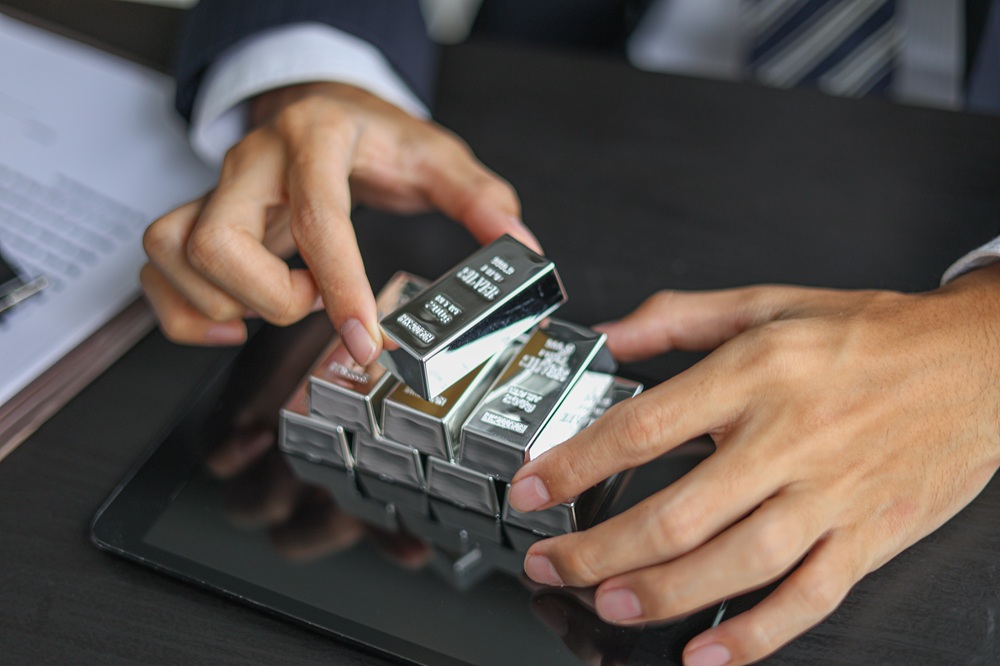
COMEX Silver December 2026 futures ended the November 6 session lower, retreating 0.83% to $51.942 per troy ounce. The decline followed a stronger trading period that left the contract with a reported weekly gain of 5.79%. Friday’s pullback moderated the advance but did not erase the broader recovery, with prices remaining above the $51.00 reference level.
Silver continues to occupy a distinctive position in commodity markets, combining exposure to industrial consumption with characteristics that can attract investment demand during periods of financial uncertainty. Its performance is therefore influenced by manufacturing activity, precious-metal sentiment, real interest rates and movements in the U.S. dollar.
Intraday Trading and Weekly Performance
The December contract opened at $51.725 and moved between an intraday low of $51.200 and a high of $52.375, before settling at $51.942. The settlement represented a decline of $0.434 from the reported previous close of $52.376. Trading volume reached approximately 45.94K contracts.
Despite Friday’s decline, the reported five-session advance of 5.79% indicates that silver retained most of its recent upward momentum. The $51.200 session low provides an immediate reference for monitoring near-term price behavior, while the $51.00 level remains a broader psychological threshold. However, one session above these levels does not establish them as confirmed technical support.
Industrial Demand and Silver’s Precious-Metal Role
Silver’s outlook reflects the interaction between industrial consumption and investment demand. Solar photovoltaic manufacturing remains an important source of industrial use, although efforts to reduce the amount of silver used per cell and the potential substitution of alternative materials may influence longer-term demand growth.
At the same time, expanding electricity infrastructure, data-center development and automotive electronics contribute to demand across several industrial applications. The scale of their impact on silver prices depends on actual material consumption, production trends and broader manufacturing conditions. On the investment side, changes in precious-metal sentiment can influence demand as investors assess inflation expectations, financial-market volatility and the opportunity cost of holding non-yielding assets.
Interest Rates, Currency Movements and Market Risks
The U.S. dollar and Treasury yields remain important variables for silver pricing. A stronger dollar can make dollar-denominated commodities more expensive for international buyers, while rising real yields may reduce the relative appeal of non-interest-bearing precious metals. Conversely, declining real yields or increased demand for defensive assets can provide support.
For international investors, including Israeli institutional allocators, currency movements also affect the translated value of dollar-denominated commodity exposures. Changes in USD/ILS and other major exchange rates can therefore influence portfolio returns independently of movements in the underlying silver contract.
Near-term performance will depend on whether industrial demand expectations and investment flows can sustain the recent advance. A continued hold above $51.00 would keep that level in focus as a psychological reference, while a move below it could increase attention on lower price levels. A renewed advance would require support from the broader precious-metals environment, industrial demand expectations or more favorable interest-rate conditions. The balance between these factors is likely to remain central to silver’s price direction.
Comparison, examination, and analysis between investment houses
Leave your details, and an expert from our team will get back to you as soon as possible
* This article, in whole or in part, does not contain any promise of investment returns, nor does it constitute professional advice to make investments in any particular field.
To read more about the full disclaimer, click here
- orshu
- •
- 6 Min Read
- •
- ago 1 hour
SKN | Natural Gas December 2026 Futures Rise 1.73% to $2.9980, but Remain Down 5.37% for the Week
NYMEX Natural Gas December 2026 futures ended the November 6 session higher, gaining 1.73% to settle at $2.9980 per
- ago 1 hour
- •
- 6 Min Read

NYMEX Natural Gas December 2026 futures ended the November 6 session higher, gaining 1.73% to settle at $2.9980 per

- Ronny Mor
- •
- 7 Min Read
- •
- ago 3 hours
SKN | COMEX Gold December 2026 Futures Slip 0.94% to $4,074.90, but Retain 4.51% Weekly Gain
COMEX Gold December 2026 futures ended Friday's session lower, declining 0.94% to $4,074.90 per troy ounce. Despite the daily
- ago 3 hours
- •
- 7 Min Read
COMEX Gold December 2026 futures ended Friday's session lower, declining 0.94% to $4,074.90 per troy ounce. Despite the daily

- omer bar
- •
- 7 Min Read
- •
- ago 3 hours
SKN | KOSPI Composite Index Plunges 6.02% to 5,059.69, Extending Weekly Loss to 13.64%
The KOSPI Composite Index ended the November 6 session under heavy selling pressure, declining 6.02% to 5,059.69. The sharp
- ago 3 hours
- •
- 7 Min Read

The KOSPI Composite Index ended the November 6 session under heavy selling pressure, declining 6.02% to 5,059.69. The sharp

- Lior mor
- •
- 7 Min Read
- •
- ago 4 hours
SKN | Japanese Yen Currency Index Falls 0.53% to 63.10, Extending Weekly Loss to 0.57%
The Japanese Yen Currency Index ended the November 6 session lower, falling 0.53% to 63.10. The decline extended its
- ago 4 hours
- •
- 7 Min Read

The Japanese Yen Currency Index ended the November 6 session lower, falling 0.53% to 63.10. The decline extended its