





- Lior mor
- •
- 6 Min Read
- •
- 57 minutes ago


Key Points
- China urged the United States to halt plans to expand restrictions on U.S. investments in China.
- The proposed U.S. rules would add biotechnology and broaden restrictions covering high-performance computing and hypersonic systems.
- Beijing warned that broader investment controls could disrupt U.S.-China trade ties and increase pressure on bilateral economic relations.

China has urged the United States to stop expanding restrictions on American investment in the Chinese economy, escalating tensions over access to strategically sensitive technologies. Beijing’s response follows new proposals from the U.S. Treasury Department that would broaden the country’s outbound investment security programme, adding further restrictions to an already tightly managed technology relationship.
Beijing Objects to Broader Investment Restrictions
China’s commerce ministry said on Saturday that Washington should halt its proposed expansion of restrictions on U.S. investments in China. Beijing argued that the measures targeting sensitive technologies could disrupt trade ties, adding another point of friction between the world’s two largest economies.
The latest dispute centers on how Washington manages outbound capital flows into Chinese industries considered strategically important to national security. From Beijing’s perspective, broader restrictions could constrain legitimate commercial investment while creating additional barriers for companies operating across both markets.
U.S. Proposal Expands Sensitive Technology Coverage
The U.S. Treasury Department issued proposals on Thursday to update its outbound-investment security programme. Under the proposed changes, biotechnology would be added to the restricted sectors, while the existing coverage of high-performance computing and hypersonic systems would also be expanded.
The proposed framework reflects the growing role of advanced technologies in U.S. national-security policy. By targeting investment alongside trade and technology transfers, Washington is seeking greater control over how American capital and expertise support industries considered strategically significant. The approach could nevertheless create additional compliance requirements for U.S. companies and investors with exposure to China.
Technology Competition Deepens Economic Tensions
The disagreement illustrates how technology competition has increasingly become intertwined with the broader U.S.-China economic relationship. Investment restrictions can affect more than individual transactions because they influence corporate financing decisions, technology development and the willingness of businesses to maintain cross-border operations.
For China, the concern extends beyond the immediate scope of the proposed rules. Additional restrictions could reinforce a broader trend toward fragmented technology and investment ecosystems, potentially making it more difficult for companies in both countries to maintain established commercial links.
Trade Relations Face Another Test
The latest exchange comes as both countries continue to manage a complicated relationship shaped by trade, technology and national-security considerations. China’s call for Washington to stop expanding the restrictions signals that Beijing views the proposed measures as a significant obstacle to economic cooperation.
Markets will be watching the next stage of the U.S. regulatory process and whether Washington modifies the proposals following international and industry concerns. Any further expansion into strategically important sectors could increase investment uncertainty for multinational companies, while a more limited final framework could reduce some of the pressure on bilateral commercial ties. The response from Beijing and the eventual scope of the Treasury rules will remain important indicators of the direction of U.S.-China economic relations.
Comparison, examination, and analysis between investment houses
Leave your details, and an expert from our team will get back to you as soon as possible
* This article, in whole or in part, does not contain any promise of investment returns, nor does it constitute professional advice to make investments in any particular field.
To read more about the full disclaimer, click here
- omer bar
- •
- 7 Min Read
- •
- ago 57 minutes
SKN | Can Trump’s Costly Diesel Relief Strategy Deliver Before the Midterm Elections?
President Donald Trump is escalating efforts to contain stubbornly high diesel prices as the November midterm elections approach, deploying
- ago 57 minutes
- •
- 7 Min Read

President Donald Trump is escalating efforts to contain stubbornly high diesel prices as the November midterm elections approach, deploying
- omer bar
- •
- 6 Min Read
- •
- ago 4 hours
SKN | Volkswagen Workers Threaten Strikes as Wage Dispute Deepens Restructuring Pressure
Volkswagen faces renewed labor tensions in Germany after workers threatened strikes from January unless the automaker reverses its recent
- ago 4 hours
- •
- 6 Min Read

Volkswagen faces renewed labor tensions in Germany after workers threatened strikes from January unless the automaker reverses its recent

- sagi habasov
- •
- 6 Min Read
- •
- ago 7 hours
SKN | How AI Data Centers Are Driving a New Boom in Fuel-Cell Demand
The rapid expansion of artificial intelligence infrastructure is creating a new source of demand for fuel cells as U.S.
- ago 7 hours
- •
- 6 Min Read
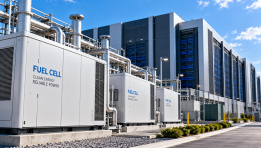
The rapid expansion of artificial intelligence infrastructure is creating a new source of demand for fuel cells as U.S.

- Arik Arkadi Sluzki
- •
- 6 Min Read
- •
- ago 22 hours
SKN | Amazon AWS Cloud Capacity Is Largely Sold Out Through 2027 as AI Demand Surges
Amazon Web Services is facing a capacity crunch as demand for artificial intelligence infrastructure accelerates, with CEO Andy Jassy
- ago 22 hours
- •
- 6 Min Read
Amazon Web Services is facing a capacity crunch as demand for artificial intelligence infrastructure accelerates, with CEO Andy Jassy

