




- sagi habasov
- •
- 6 Min Read
- •
- 57 minutes ago


Key Points
- Fuel cells are gaining traction among U.S. hyperscalers seeking reliable power for rapidly expanding AI data centers.
- Grid constraints are pushing data-center developers to consider on-site power solutions that can be deployed more quickly.
- Rystad Energy projects data-center fuel-cell investment to reach about $30 billion by 2030, up from $2.8 billion in 2025.
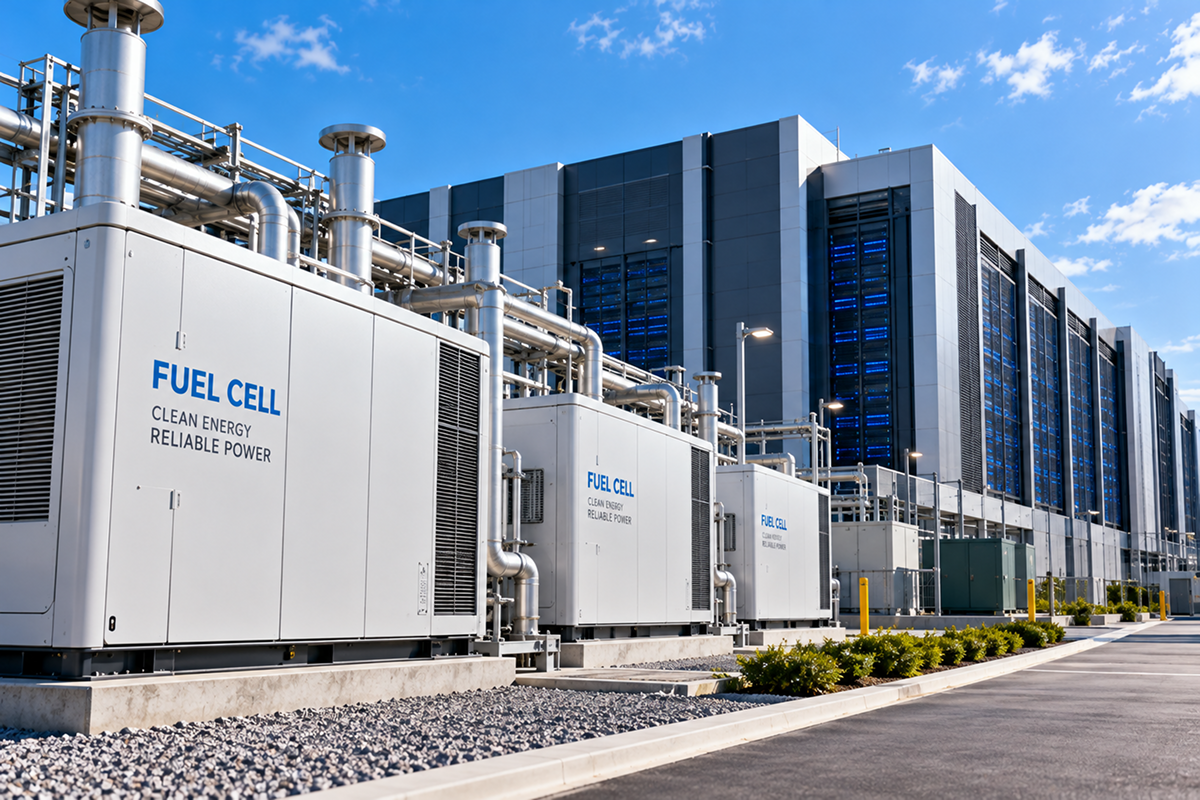
The rapid expansion of artificial intelligence infrastructure is creating a new source of demand for fuel cells as U.S. hyperscalers confront increasingly difficult grid constraints. As data centers require large amounts of reliable electricity and face delays in securing conventional grid connections, fuel-cell technology is emerging as an alternative power source that could support the next phase of the AI infrastructure buildout.
AI Expansion Creates an Electricity Bottleneck
The growth of generative AI and increasingly sophisticated computing systems has dramatically increased the power requirements of modern data centers. Hyperscalers are racing to expand computing capacity, but securing sufficient electricity from existing grids has become a significant constraint to development timelines.
This challenge is changing how companies approach data-center power. Rather than relying exclusively on connections to increasingly constrained electricity networks, developers are examining technologies that can provide reliable power closer to the data center. Fuel cells are gaining attention within this broader effort because they can potentially provide dedicated electricity for facilities with demanding and continuous workloads.
Fuel-Cell Investment Set for Rapid Expansion
The scale of the potential market is reflected in forecasts from Rystad Energy. The energy research firm projects that investment in fuel cells for data centers could reach approximately $30 billion by 2030, compared with $2.8 billion in 2025.
That projected expansion reflects more than rising electricity consumption. It also highlights the growing value placed on speed and reliability as technology companies compete to build AI infrastructure. Delays in obtaining grid connections can postpone the deployment of expensive computing equipment, making alternative power arrangements increasingly relevant to data-center economics.
Power Infrastructure Becomes Part of the AI Race
The emergence of fuel cells illustrates how the AI boom is extending beyond semiconductor manufacturers and cloud-computing companies into the wider energy and infrastructure industries. Businesses involved in electricity generation, power equipment and data-center development could increasingly become part of the investment cycle created by rising AI workloads.
Companies such as Bloom Energy operate in the fuel-cell market, while major energy and infrastructure participants are also examining opportunities associated with the expanding electricity requirements of data centers. The broader ecosystem includes utilities, developers and infrastructure investors, reflecting the increasingly interconnected relationship between digital infrastructure and energy markets.
Reliability and Deployment Speed Will Shape Adoption
For hyperscalers, the central question is not simply how much electricity is available, but whether power can be delivered quickly, reliably and at the scale required by AI facilities. Fuel cells could become more attractive if grid bottlenecks persist and data-center construction continues accelerating.
However, the pace of adoption will depend on economics, infrastructure requirements and the ability of fuel-cell providers to scale alongside demand. The projected rise in investment suggests that power availability is becoming a strategic constraint on AI expansion rather than merely an operational consideration. Going forward, investors and industry participants will closely monitor data-center construction, utility-grid capacity and fuel-cell deployments as the competition for reliable electricity increasingly shapes the global AI infrastructure market.
Comparison, examination, and analysis between investment houses
Leave your details, and an expert from our team will get back to you as soon as possible
* This article, in whole or in part, does not contain any promise of investment returns, nor does it constitute professional advice to make investments in any particular field.
To read more about the full disclaimer, click here
- omer bar
- •
- 6 Min Read
- •
- ago 4 minutes
SKN | OpenAI Resumes Frontier AI Training After Security Overhaul and Software Flaw Discovery
OpenAI has resumed training its most advanced artificial intelligence models after conducting a security overhaul designed to limit the
- ago 4 minutes
- •
- 6 Min Read
OpenAI has resumed training its most advanced artificial intelligence models after conducting a security overhaul designed to limit the

- Ronny Mor
- •
- 6 Min Read
- •
- ago 4 minutes
SKN | SpaceX Wireless Push Sends U.S. Telecom Stocks Lower as Competition Fears Mount
U.S. telecommunications stocks came under pressure on Friday after a report that SpaceX is seeking access to tens of
- ago 4 minutes
- •
- 6 Min Read

U.S. telecommunications stocks came under pressure on Friday after a report that SpaceX is seeking access to tens of

- Arik Arkadi Sluzki
- •
- 6 Min Read
- •
- ago 16 hours
SKN | Amazon AWS Cloud Capacity Is Largely Sold Out Through 2027 as AI Demand Surges
Amazon Web Services is facing a capacity crunch as demand for artificial intelligence infrastructure accelerates, with CEO Andy Jassy
- ago 16 hours
- •
- 6 Min Read

Amazon Web Services is facing a capacity crunch as demand for artificial intelligence infrastructure accelerates, with CEO Andy Jassy

- sagi habasov
- •
- 7 Min Read
- •
- ago 16 hours
SKN | Can Big Tech Earnings and the Fed Stabilize Wall Street’s Fragile AI Rally?
U.S. stock investors enter a pivotal week as a heavy corporate earnings calendar and a Federal Reserve policy meeting
- ago 16 hours
- •
- 7 Min Read
U.S. stock investors enter a pivotal week as a heavy corporate earnings calendar and a Federal Reserve policy meeting
