





- omer bar
- •
- 7 Min Read
- •
- 1 hour ago
Key Points
- Bitcoin dropped more than 4%, falling toward $62,000 as investors reduced exposure to risk assets.
- Analysts cite a hawkish Federal Reserve outlook, ETF outflows, and weakening liquidity as key drivers behind the decline.
- Long-term holder selling is increasing, a pattern historically associated with late-stage market capitulation.

Bitcoin extended its recent weakness on Tuesday, declining more than 4% as a broad selloff across technology stocks and other risk-sensitive assets spilled into cryptocurrency markets. The world’s largest digital asset has increasingly traded in line with high-growth technology stocks, making it vulnerable to shifting interest-rate expectations and changes in investor risk appetite. With Federal Reserve policymakers signaling a more hawkish stance and institutional investors pulling capital from crypto-related products, market participants are now debating whether Bitcoin is approaching another leg lower or nearing a potential long-term turning point.
Federal Reserve Concerns Weigh on Crypto Sentiment
Bitcoin fell to just above $62,000, continuing a difficult year for cryptocurrency investors. The decline follows growing expectations that the Federal Reserve may maintain tighter monetary conditions for longer than previously anticipated. Rising interest rates typically pressure speculative assets because they increase borrowing costs and improve returns on lower-risk investments such as government bonds and cash equivalents.
Market strategists point to a combination of factors driving the latest weakness. These include a more aggressive Federal Reserve outlook, substantial institutional ETF outflows, and declining market liquidity. Together, these forces have created an environment where investors are increasingly reducing exposure to higher-volatility assets.
The relationship between Bitcoin and technology stocks has become particularly evident in recent months. As major technology companies experienced selling pressure, cryptocurrency markets followed a similar trajectory, highlighting Bitcoin’s growing integration into broader financial markets rather than its historical role as an alternative asset class.
Institutional Flows Signal Growing Caution
One of the most closely watched indicators in the cryptocurrency market is institutional capital movement. Recent data showing significant outflows from Bitcoin-related exchange-traded funds suggests professional investors are becoming more defensive amid uncertainty surrounding monetary policy and economic growth.
Institutional participation has played a critical role in Bitcoin’s evolution over the past several years. Strong ETF inflows often provide support for prices, while sustained outflows can amplify downside pressure by reducing overall market demand. The current trend suggests many large investors are prioritizing capital preservation over aggressive risk-taking until greater clarity emerges regarding inflation, interest rates, and economic conditions.
This shift in positioning helps explain why Bitcoin has struggled to participate fully in broader market rebounds and continues to underperform several traditional asset classes in 2026.
Capitulation Signals Could Point to a Future Bottom
Despite the near-term weakness, some market observers see signs that the current downturn may be entering its later stages. Analysts have noted increased selling activity from long-term Bitcoin holders, a group often viewed as the strongest conviction investors in the cryptocurrency ecosystem.
Historically, periods when long-term holders begin selling have frequently occurred near major market bottoms. This phenomenon, commonly referred to as capitulation, reflects a stage where even experienced investors lose confidence and exit positions after extended declines. While such activity can intensify short-term selling pressure, it has also preceded significant recoveries during previous cryptocurrency cycles.
Looking ahead, Bitcoin’s direction will likely depend on several key factors, including Federal Reserve policy, institutional fund flows, and broader market sentiment toward risk assets. Although the cryptocurrency remains down roughly 28% year-to-date and approximately 50% below its all-time high, investors will be watching closely for signs that selling pressure is stabilizing. Whether the current weakness represents the final stage of a bear market or merely another step lower remains one of the most important questions facing digital asset markets in the months ahead.
Comparison, examination, and analysis between investment houses
Leave your details, and an expert from our team will get back to you as soon as possible
* This article, in whole or in part, does not contain any promise of investment returns, nor does it constitute professional advice to make investments in any particular field.
To read more about the full disclaimer, click here
- orshu
- •
- 7 Min Read
- •
- ago 2 hours
SKN | European Markets End Lower as Growth Concerns Weigh on Investor Sentiment
European equities closed broadly lower on June 23 as investors adopted a more cautious stance following recent market gains.
- ago 2 hours
- •
- 7 Min Read
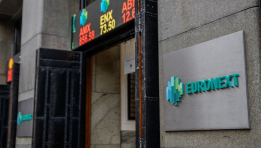
European equities closed broadly lower on June 23 as investors adopted a more cautious stance following recent market gains.
- orshu
- •
- 7 Min Read
- •
- ago 5 hours
SKN | Wall Street Retreats as Volatility Surges and Technology Stocks Lead Market Pullback
U.S. equity markets traded lower on June 23 as investors reassessed risk exposure amid rising volatility and renewed pressure
- ago 5 hours
- •
- 7 Min Read

U.S. equity markets traded lower on June 23 as investors reassessed risk exposure amid rising volatility and renewed pressure

- omer bar
- •
- 7 Min Read
- •
- ago 13 hours
Why Are GoDaddy, Bandwidth, and GitLab Stocks Falling? What Investors Should Know
Shares of GoDaddy, Bandwidth, and GitLab are under pressure as investors react to a broader recalibration in high-growth technology equities.
- ago 13 hours
- •
- 7 Min Read

Shares of GoDaddy, Bandwidth, and GitLab are under pressure as investors react to a broader recalibration in high-growth technology equities.
- orshu
- •
- 8 Min Read
- •
- ago 1 day
SKN | Volatility Returns: What the VIX Surge Signals for Markets on June 22
The CBOE Volatility Index (VIX), often referred to as Wall Street’s “fear gauge,” moved higher on June 22 as
- ago 1 day
- •
- 8 Min Read

The CBOE Volatility Index (VIX), often referred to as Wall Street’s “fear gauge,” moved higher on June 22 as


