





- orshu
- •
- 8 Min Read
- •
- 1 hour ago
Key Points
- The CBOE Volatility Index (VIX) rose by 2.92%, indicating a modest increase in investor caution.
- Intraday trading showed a sharp rebound from morning lows, highlighting heightened sensitivity to market developments.
- Despite the increase, the VIX remains well below historical stress levels, suggesting concerns remain controlled rather than systemic.
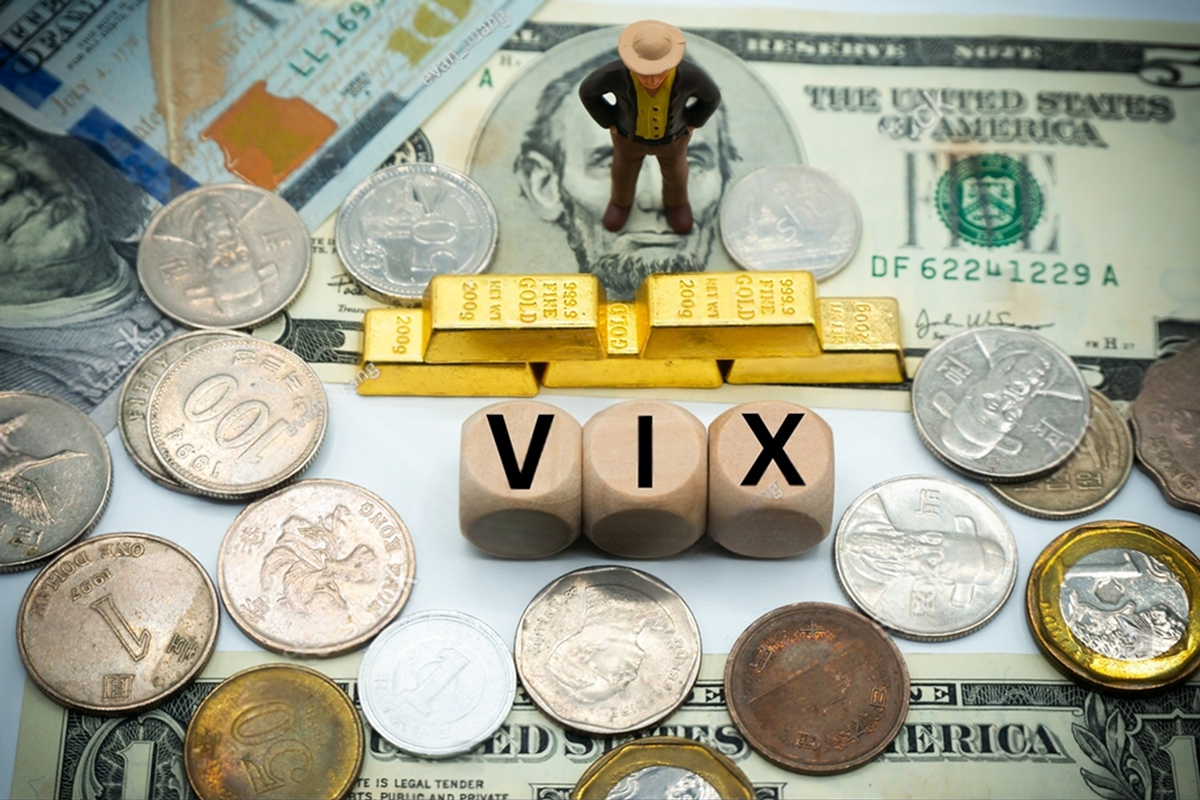
The CBOE Volatility Index (VIX), often referred to as Wall Street’s “fear gauge,” moved higher on June 22 as investors reassessed risk amid evolving macroeconomic and geopolitical conditions. The index climbed to 17.27, rising by 2.92% from the previous session, reflecting a moderate increase in demand for downside protection and portfolio hedging.
While the move does not signal widespread market panic, it highlights the growing importance of risk management as equity markets trade near record highs and investors evaluate economic growth prospects, interest-rate expectations, and global uncertainties.
VIX Rebounds After Early Session Weakness
Trading activity throughout the session revealed significant intraday volatility. The VIX opened at 17.48 before declining steadily during the morning, reaching a low of 16.49. However, sentiment shifted sharply later in the session as the index rebounded and briefly approached 17.92 before settling at 17.27.
This pattern suggests investors initially grew more comfortable with market conditions before seeking additional protection as the trading day progressed. Such reversals are often associated with changing expectations surrounding economic data, geopolitical headlines, or sector-specific developments.
Importantly, the VIX remains far below levels typically associated with severe market stress. During major crises, the index has historically surged above 30 and, in extreme situations, exceeded 50. Today’s reading near 17 indicates that while caution is increasing, investors have not abandoned risk assets.
The ability of the VIX to recover from its intraday lows demonstrates that market participants remain highly responsive to new information, even as broader equity benchmarks continue to show resilience.
What Higher Volatility Means for Equity Markets
The VIX measures expected volatility in the S&P 500 over the next 30 days based on options pricing. As a result, rising VIX levels generally indicate that investors anticipate larger market swings in the near future.
Today’s increase comes at a time when major U.S. indices remain near historic highs. In many cases, rising volatility alongside strong equity performance can reflect uncertainty about sustainability rather than immediate bearish sentiment. Investors may be maintaining exposure to stocks while simultaneously increasing hedging activity.
Technology companies, artificial intelligence leaders, and high-growth sectors are particularly sensitive to changes in market sentiment. Even modest increases in volatility can influence investor positioning and create greater dispersion between market winners and losers.
For institutional investors, the VIX is also a critical indicator of portfolio risk. Pension funds, hedge funds, and asset managers frequently use volatility measures to adjust allocations, manage leverage, and evaluate hedging strategies.
Macro Factors Continue to Drive Risk Sentiment
Several broader themes continue to influence volatility expectations. Interest-rate policy remains a central focus, particularly as investors assess future actions from the Federal Reserve. Bond yields, inflation trends, and labor market data all have the potential to affect expectations for monetary policy and economic growth.
Geopolitical developments also remain an important consideration. Global markets continue to monitor trade dynamics, regional conflicts, energy market fluctuations, and supply-chain stability. These factors can influence both investor confidence and corporate earnings expectations.
At the same time, ongoing enthusiasm surrounding artificial intelligence and technology investment continues to support equity valuations. However, elevated valuations naturally increase market sensitivity to unexpected news, making volatility indicators such as the VIX particularly relevant.
Looking ahead, investors will closely monitor whether the VIX remains near current levels or continues to trend higher. Sustained movement above recent ranges could signal growing concern regarding economic or geopolitical risks, while a return toward lower levels would suggest renewed confidence in market stability. Key factors to watch include Federal Reserve communication, Treasury yield movements, upcoming economic releases, and corporate earnings guidance. As markets enter the second half of the year, volatility trends may provide important clues about whether investor optimism can continue supporting equity markets or whether risk management will become an increasingly dominant theme.
Comparison, examination, and analysis between investment houses
Leave your details, and an expert from our team will get back to you as soon as possible
* This article, in whole or in part, does not contain any promise of investment returns, nor does it constitute professional advice to make investments in any particular field.
To read more about the full disclaimer, click here
- orshu
- •
- 7 Min Read
- •
- ago 1 hour
SKN | European Markets Close Higher as FTSE 100 and DAX Lead Regional Gains on June 22
European equities ended the June 22 trading session on a largely positive note, with investors showing renewed confidence in regional
- ago 1 hour
- •
- 7 Min Read
European equities ended the June 22 trading session on a largely positive note, with investors showing renewed confidence in regional
- orshu
- •
- 8 Min Read
- •
- ago 2 hours
SKN | Tel Aviv Stocks Extend Slide as TA-90 Drops Nearly 2% and Market Breadth Turns Sharply Negative
Israeli stocks closed lower on Monday, June 22, as selling pressure intensified across much of the market despite a modest
- ago 2 hours
- •
- 8 Min Read

Israeli stocks closed lower on Monday, June 22, as selling pressure intensified across much of the market despite a modest
- orshu
- •
- 7 Min Read
- •
- ago 5 hours
SKN | Small Caps Lead as U.S. Markets Show Broad-Based Strength on June 22
U.S. equity markets traded with a mixed but generally positive tone on June 22, as investors rotated toward smaller-cap
- ago 5 hours
- •
- 7 Min Read

U.S. equity markets traded with a mixed but generally positive tone on June 22, as investors rotated toward smaller-cap
- orshu
- •
- 6 Min Read
- •
- ago 8 hours
SKN | Asia Markets Advance on June 22, 2026 as China and Japan Lead Regional Gains
Asian markets closed mostly higher on June 22, 2026, as strong gains in China and Japan helped drive another positive
- ago 8 hours
- •
- 6 Min Read

Asian markets closed mostly higher on June 22, 2026, as strong gains in China and Japan helped drive another positive


