





- Ronny Mor
- •
- 6 Min Read
- •
- 6 months ago


Key Points
- U.S. gasoline futures rose above $2.93 per gallon, the highest level since July 2022.
- The closure of the Strait of Hormuz threatens about 20% of global oil shipments.
- A record 400 million barrel strategic oil release has failed to calm market fears of prolonged supply disruption.

U.S. gasoline futures have surged to their highest levels in nearly two years as escalating tensions in the Persian Gulf disrupt global energy supply routes. Prices climbed above $2.93 per gallon, reflecting growing concerns that the closure of the Strait of Hormuz could significantly reduce global oil flows. Even an unprecedented release of emergency oil reserves coordinated by the International Energy Agency has failed to stabilize markets, highlighting how geopolitical shocks can quickly overwhelm supply interventions. The surge underscores the fragile balance between energy supply security and geopolitical risk in the global oil market.
Gasoline Prices React to Escalating Gulf Crisis
The sharp rise in gasoline futures follows a worsening maritime crisis in the Persian Gulf, where Iran’s newly installed supreme leader Mojtaba Khamenei declared that the Strait of Hormuz should remain closed to pressure international rivals. The strategic waterway normally carries roughly 20% of global oil shipments, making it one of the most critical energy corridors in the world. Fresh missile and projectile strikes targeting oil tankers near Iraqi waters and around the UAE’s Jebel Ali port have further heightened security risks for shipping companies, discouraging tanker traffic and intensifying fears of a prolonged disruption to global energy flows.
Emergency Oil Release Fails to Calm Markets
In response to the growing supply threat, the International Energy Agency coordinated a release of 400 million barrels of oil from strategic reserves—the largest emergency intervention ever undertaken by the organization. The move was designed to offset supply disruptions caused by the conflict and reassure markets about available energy supplies. However, traders remain skeptical that reserve stockpiles alone can compensate for the loss of shipments through the Strait of Hormuz. The market’s reaction suggests that investors view the disruption not as a temporary shock but as a potentially sustained constraint on global oil distribution.
Supply Constraints Tighten Energy Markets
Compounding the supply concerns, major Gulf oil producers have already begun reducing output as logistical bottlenecks and storage limitations emerge. With tanker traffic sharply reduced, oil producers are struggling to move crude exports efficiently. At the same time, U.S. officials have indicated they are not yet prepared to provide naval escorts for commercial oil tankers navigating the conflict zone. The lack of immediate security measures has reinforced market expectations that shipping disruptions could persist, further tightening global fuel supply and pushing gasoline prices higher.
Energy Market Outlook
The trajectory of gasoline prices will likely depend heavily on how the geopolitical situation in the Persian Gulf evolves in the coming weeks. If shipping routes remain constrained or attacks on tankers continue, energy markets could face sustained upward pressure. While strategic reserve releases can provide short-term relief, long-term stability will require the restoration of safe maritime trade through critical oil corridors. Investors and policymakers alike will be watching whether diplomatic efforts or military measures emerge to reopen shipping lanes and restore confidence in global energy supply chains.
Comparison, examination, and analysis between investment houses
Leave your details, and an expert from our team will get back to you as soon as possible
* This article, in whole or in part, does not contain any promise of investment returns, nor does it constitute professional advice to make investments in any particular field.
To read more about the full disclaimer, click here
- omer bar
- •
- 6 Min Read
- •
- ago 4 hours
SKN | Rosneft Ships First Crude From $157 Billion Vostok Oil Project as Arctic Strategy Takes Shape
Rosneft has begun shipping the first crude from its Vostok Oil project in Russia’s Arctic, bringing one of the country’s
- ago 4 hours
- •
- 6 Min Read

Rosneft has begun shipping the first crude from its Vostok Oil project in Russia’s Arctic, bringing one of the country’s

- Ronny Mor
- •
- 7 Min Read
- •
- ago 4 hours
SKN | Oil Prices Rise as Prolonged Middle East Conflict Raises Fresh Supply Risks
Oil prices extended their gains on Tuesday as escalating U.S.-Iran tensions increased fears that disruptions to Middle Eastern crude supplies
- ago 4 hours
- •
- 7 Min Read
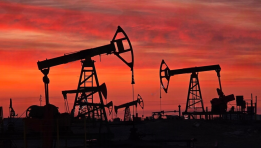
Oil prices extended their gains on Tuesday as escalating U.S.-Iran tensions increased fears that disruptions to Middle Eastern crude supplies

- Lior mor
- •
- 7 Min Read
- •
- ago 7 hours
SKN | Oil Prices Reach Six-Week High as Middle East Escalation Raises Global Supply Risks
Oil prices climbed to their highest level in six weeks on September 7 as renewed geopolitical escalation across the
- ago 7 hours
- •
- 7 Min Read

Oil prices climbed to their highest level in six weeks on September 7 as renewed geopolitical escalation across the
- omer bar
- •
- 6 Min Read
- •
- ago 17 hours
SKN | Why Is Crude Oil Holding Above $91 as US-Iran Tensions Threaten Strait of Hormuz Shipments?
Crude oil remained volatile Monday after posting its strongest weekly advance in recent trading, with escalating military tensions between the
- ago 17 hours
- •
- 6 Min Read

Crude oil remained volatile Monday after posting its strongest weekly advance in recent trading, with escalating military tensions between the

