





- Lior mor
- •
- 7 Min Read
- •
- 3 minutes ago


Key Points
- Brent crude rose 1.1% to settle at $97.31 a barrel, reaching a six-week high as Middle East tensions intensified.
- Iran warned it could target Gulf energy infrastructure if the United States launches further attacks, increasing concerns over regional supply disruptions.
- Strait of Hormuz traffic has fallen to its lowest level since May, while OPEC+ maintained its October oil output policy unchanged.

Oil prices climbed to their highest level in six weeks on September 7 as renewed geopolitical escalation across the Middle East increased concerns about disruptions to regional energy supplies. The move places crude markets at a critical intersection of geopolitical risk, physical supply constraints and OPEC+ production policy, with the potential consequences extending into inflation, transportation costs and monetary policy expectations globally.
Brent Crude Approaches $100 as Conflict Risk Intensifies
Brent crude futures rose $1.03, or 1.1%, to settle at $97.31 a barrel after reaching $98.06 during the session, the highest intraday level since July 24. The contract settled earlier than usual because of the U.S. Labor Day holiday, meaning trading conditions were somewhat different from a normal session.
The latest price increase reflects a growing risk premium associated with the conflict. Iran has warned that it could target energy infrastructure across the Gulf if the United States conducts additional attacks against Iranian assets. Such a development would broaden the potential impact of the conflict from individual military targets toward infrastructure directly connected to global oil and gas supply.
Israeli strikes in southern Lebanon have also contributed to heightened regional tensions. While geopolitical risk does not necessarily translate immediately into lost production, the possibility of further escalation can cause traders to price a higher probability of future supply disruptions into crude contracts.
Hormuz Traffic Adds to Supply Concerns
One of the most important indicators for the oil market is activity around the Strait of Hormuz, a critical maritime route for global energy shipments. Data from Kpler showed traffic through the waterway falling to its lowest level since May, reinforcing concerns about the ability of regional producers and exporters to maintain normal flows.
For global markets, the significance extends beyond crude prices. Any sustained reduction in energy shipments could increase costs for refiners, transportation companies and industrial consumers, while placing additional pressure on economies already dealing with elevated inflation. Higher energy prices could also complicate central-bank decisions if inflation expectations begin responding to the supply shock.
OPEC+ Holds Policy Steady as Markets Watch Supply Response
The latest move in oil prices comes despite OPEC+ keeping its oil output policy unchanged for October. The decision provides the market with no immediate additional production response to offset the geopolitical risk premium, leaving physical supply developments as a central driver of near-term pricing.
The combination of unchanged OPEC+ policy and deteriorating regional security creates a sensitive environment for crude markets. If transportation disruptions remain limited, some of the current premium could eventually fade. Conversely, damage to energy infrastructure or a prolonged reduction in shipping through Hormuz could produce a substantially tighter physical market.
Going forward, investors and policymakers will closely monitor Strait of Hormuz shipping activity, regional oil production, infrastructure security and further military escalation. Brent’s approach toward the $100 threshold also increases the importance of watching how higher energy costs affect inflation expectations and global economic activity. The central risk is that a temporary geopolitical premium develops into a sustained supply shock, while the principal stabilizing factor would be the preservation of normal export routes and production capacity across the region.
Comparison, examination, and analysis between investment houses
Leave your details, and an expert from our team will get back to you as soon as possible
* This article, in whole or in part, does not contain any promise of investment returns, nor does it constitute professional advice to make investments in any particular field.
To read more about the full disclaimer, click here
- omer bar
- •
- 6 Min Read
- •
- ago 11 hours
SKN | Why Is Crude Oil Holding Above $91 as US-Iran Tensions Threaten Strait of Hormuz Shipments?
Crude oil remained volatile Monday after posting its strongest weekly advance in recent trading, with escalating military tensions between the
- ago 11 hours
- •
- 6 Min Read

Crude oil remained volatile Monday after posting its strongest weekly advance in recent trading, with escalating military tensions between the

- Ronny Mor
- •
- 6 Min Read
- •
- ago 21 hours
SKN | Gold Holds Near $4,430 as Strong US Jobs Data Revives Fed Rate-Hike Bets
Gold prices held their decline on Monday after stronger-than-expected US employment data increased expectations that the Federal Reserve could raise
- ago 21 hours
- •
- 6 Min Read

Gold prices held their decline on Monday after stronger-than-expected US employment data increased expectations that the Federal Reserve could raise

- sagi habasov
- •
- 7 Min Read
- •
- ago 21 hours
SKN | Oil Prices Rise as US-Iran Ship Strikes Deepen Strait of Hormuz Supply Risks
Oil prices extended their gains on Monday as renewed US-Iran attacks involving vessels in and around the Strait of Hormuz
- ago 21 hours
- •
- 7 Min Read
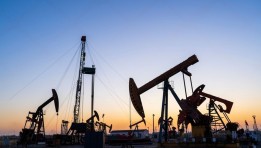
Oil prices extended their gains on Monday as renewed US-Iran attacks involving vessels in and around the Strait of Hormuz
- sagi habasov
- •
- 6 Min Read
- •
- ago 22 hours
SKN | OPEC+ Holds October Oil Output Steady as Middle East Disruptions Reshape Global Supply
OPEC+ has decided to maintain its current oil output policy for October, pausing a six-month run of production increases as
- ago 22 hours
- •
- 6 Min Read

OPEC+ has decided to maintain its current oil output policy for October, pausing a six-month run of production increases as

