





- omer bar
- •
- 6 Min Read
- •
- 17 hours ago


Key Points
- Crude oil rose to $92.29 a barrel on September 7, extending a sharp 9.7% gain from the previous week.
- US strikes on Iranian oil tankers and Tehran’s threats around the Strait of Hormuz are increasing concerns over supply disruptions.
- Oil is now up 12.37% over the past month and 48.23% from a year earlier, putting geopolitical risk firmly back at the center of energy markets.
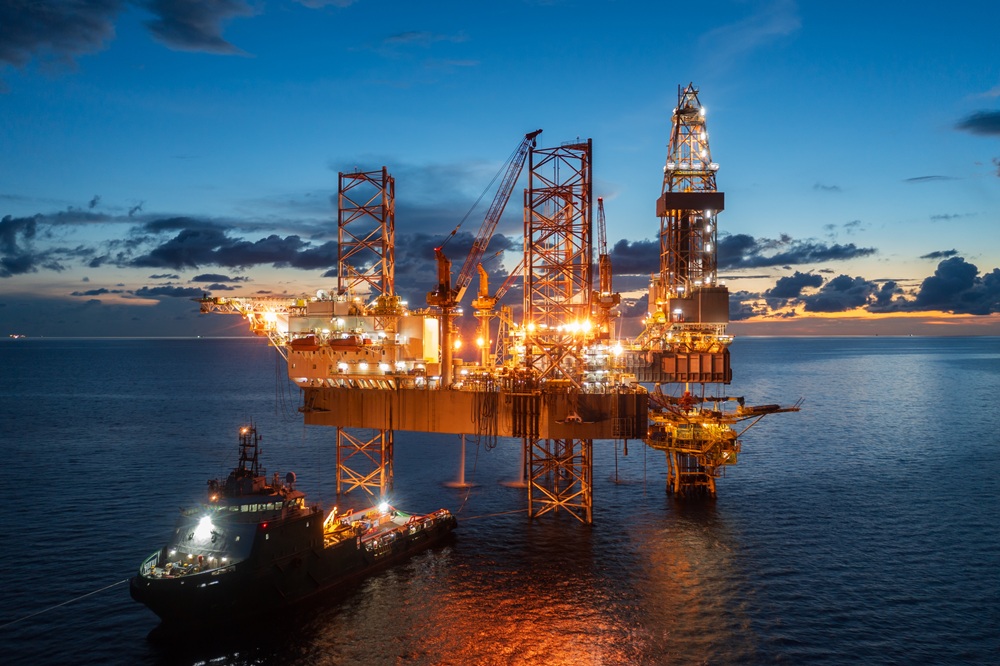
Crude oil remained volatile Monday after posting its strongest weekly advance in recent trading, with escalating military tensions between the United States and Iran raising fresh concerns about global energy supplies. Oil climbed 9.7% last week as investors increasingly priced the possibility that the conflict could interfere with shipments through the Strait of Hormuz, one of the world’s most strategically important energy corridors.
The latest escalation followed US claims that its forces struck three Iranian oil tankers over the weekend, destroying one, in retaliation for ballistic missile attacks against US Navy vessels. Tehran subsequently threatened to establish a restricted zone beyond the strait, reportedly reaching from the US naval blockade toward areas of the Persian Gulf. Iran also claimed attacks against three tankers, although those reports remained unverified.
Could the Strait of Hormuz Become the Market’s Biggest Risk?
The Strait of Hormuz has become the central focus for oil traders because any sustained disruption could rapidly tighten global supply. US Energy Secretary Chris Wright said Washington intends to maintain its naval presence and blockade, while also seeking to protect commercial shipping. He has previously indicated that millions of barrels of crude continue to move through the waterway despite the conflict.
That distinction is critical for markets. Oil prices do not require an immediate physical shortage to rise sharply; expectations of future supply constraints can be enough to create a substantial risk premium. If shipping restrictions intensify or commercial operators begin avoiding the region, the market could face higher transportation costs, longer delivery routes and tighter availability.
For consumers and businesses, a prolonged increase in crude prices could eventually feed into fuel, transportation and production costs, creating an additional inflationary challenge for economies already sensitive to energy prices.
How Much Has Oil Already Rallied?
The latest price data shows just how quickly the market has repriced geopolitical risk. Crude oil reached $92.29 a barrel on September 7, up 0.88% from the previous session. Over the past month, the commodity has gained 12.37%, while its year-over-year increase has reached 48.23%.
That momentum puts the current market far above the levels seen a year ago, although it remains well below crude oil’s historical record of $147.27 reached in July 2008. The comparison illustrates both the scale of the current rally and the potential for additional volatility if supply disruptions become more severe.
Investors will therefore be watching developments around the Strait of Hormuz as closely as production data. The immediate opportunity for energy producers is clear, but so are the risks: a sustained geopolitical shock could support oil prices while simultaneously worsening inflation and weakening global economic growth. The next phase of the conflict may determine whether the current rally becomes a temporary risk premium or a much broader energy-market shock.
Comparison, examination, and analysis between investment houses
Leave your details, and an expert from our team will get back to you as soon as possible
* This article, in whole or in part, does not contain any promise of investment returns, nor does it constitute professional advice to make investments in any particular field.
To read more about the full disclaimer, click here
- omer bar
- •
- 6 Min Read
- •
- ago 4 hours
SKN | Rosneft Ships First Crude From $157 Billion Vostok Oil Project as Arctic Strategy Takes Shape
Rosneft has begun shipping the first crude from its Vostok Oil project in Russia’s Arctic, bringing one of the country’s
- ago 4 hours
- •
- 6 Min Read

Rosneft has begun shipping the first crude from its Vostok Oil project in Russia’s Arctic, bringing one of the country’s

- Ronny Mor
- •
- 7 Min Read
- •
- ago 4 hours
SKN | Oil Prices Rise as Prolonged Middle East Conflict Raises Fresh Supply Risks
Oil prices extended their gains on Tuesday as escalating U.S.-Iran tensions increased fears that disruptions to Middle Eastern crude supplies
- ago 4 hours
- •
- 7 Min Read
Oil prices extended their gains on Tuesday as escalating U.S.-Iran tensions increased fears that disruptions to Middle Eastern crude supplies

- Lior mor
- •
- 7 Min Read
- •
- ago 7 hours
SKN | Oil Prices Reach Six-Week High as Middle East Escalation Raises Global Supply Risks
Oil prices climbed to their highest level in six weeks on September 7 as renewed geopolitical escalation across the
- ago 7 hours
- •
- 7 Min Read

Oil prices climbed to their highest level in six weeks on September 7 as renewed geopolitical escalation across the
- Ronny Mor
- •
- 6 Min Read
- •
- ago 1 day
SKN | Gold Holds Near $4,430 as Strong US Jobs Data Revives Fed Rate-Hike Bets
Gold prices held their decline on Monday after stronger-than-expected US employment data increased expectations that the Federal Reserve could raise
- ago 1 day
- •
- 6 Min Read

Gold prices held their decline on Monday after stronger-than-expected US employment data increased expectations that the Federal Reserve could raise

