


- orshu
- •
- 6 Min Read
- •
- 4 months ago
Key Points
- Gold briefly topped $5,300 for the first time, extending a powerful rally driven by policy uncertainty.
- The Federal Reserve’s rate verdict reinforced demand for non-yielding assets amid shifting expectations.
- Currency moves and global risk sentiment amplified flows into bullion-linked markets.

Gold surged to fresh records, briefly moving above $5,300 per ounce, as investors digested the Federal Reserve’s latest policy decision and accompanying guidance. The move underscores bullion’s renewed role as a macro hedge at a time when rate trajectories, currencies, and geopolitical risks remain fluid.
Policy Signals Reframe the Yield Outlook
The immediate catalyst for gold’s advance was the market’s interpretation of the Fed’s rate verdict. While policy settings themselves may not have shifted dramatically, nuances in communication reshaped expectations around the path of real yields. For gold, which offers no income, lower or declining real rates tend to improve relative appeal.
Traders also focused on how persistent inflation dynamics and uneven growth data could limit the scope for rapid policy normalization. Even incremental changes in rate expectations can translate into outsized moves for bullion when positioning is crowded and liquidity is thin.
As a result, gold’s rally reflects less a single policy decision and more a reassessment of the medium-term balance between inflation risk and monetary restraint.
Currency Dynamics and Global Flows
Foreign exchange markets added momentum. Periods of US dollar softness often coincide with stronger gold prices, as bullion becomes more affordable for non-dollar buyers and gains traction as a reserve alternative. Recent currency adjustments reinforced that relationship, supporting cross-border inflows.
Beyond the dollar, central bank demand remains an important structural factor. While near-term price action is driven by futures and ETF flows, longer-term accumulation by official institutions continues to underpin the market. This trend has been particularly visible among emerging economies seeking diversification.
For investors in Israel and globally, currency-adjusted returns matter. A rising gold price alongside currency volatility can materially alter portfolio outcomes, especially for assets denominated outside the shekel.
Market Resonance Across Assets
Gold’s move reverberated across related markets. Precious metals equities and royalty companies generally benefited from improved price assumptions, while bond markets reflected ongoing debate about term premiums and inflation compensation. Equity indices showed mixed reactions, balancing lower rate expectations against concerns about growth durability.
At the same time, volatility measures remained contained, suggesting that the gold surge was not purely a panic trade. Instead, it appears aligned with a broader recalibration of macro hedges rather than a wholesale flight from risk.
This distinction matters: rallies driven by structural allocation tend to be more durable than those sparked by short-lived shocks.
Looking ahead, markets will be watching whether gold can hold above key psychological levels as policy expectations evolve. Risks include a rebound in real yields or a stronger dollar that could temper momentum, while opportunities hinge on confirmation of a slower rate path, persistent central bank demand, and renewed geopolitical uncertainty. As investors continue to parse incoming data and policy signals, bullion is likely to remain a focal point—both as a barometer of confidence in fiat currencies and as a hedge within diversified portfolios.
Comparison, examination, and analysis between investment houses
Leave your details, and an expert from our team will get back to you as soon as possible
* This article, in whole or in part, does not contain any promise of investment returns, nor does it constitute professional advice to make investments in any particular field.
To read more about the full disclaimer, click here
- omer bar
- •
- 8 Min Read
- •
- ago 53 minutes
SKN | Can Oil Markets Sustain Momentum as Geopolitical Risk in the Strait of Hormuz Intensifies?
Global oil markets rebounded as geopolitical tensions escalated following reports of US strikes on targets linked to Iranian positions near
- ago 53 minutes
- •
- 8 Min Read

Global oil markets rebounded as geopolitical tensions escalated following reports of US strikes on targets linked to Iranian positions near

- sagi habasov
- •
- 8 Min Read
- •
- ago 3 hours
SKN | Will Oil Prices Escalate Further After US Strike on Iranian Military Site Triggers Market Repricing?
Global oil markets rebounded after reports that US forces conducted strikes on an Iranian military site, reigniting concerns over geopolitical
- ago 3 hours
- •
- 8 Min Read

Global oil markets rebounded after reports that US forces conducted strikes on an Iranian military site, reigniting concerns over geopolitical

- orshu
- •
- 7 Min Read
- •
- ago 4 hours
SKN | Global Markets Wrap: May 27, 2026 Performance Review and Outlook for May 28, 2026 as Equities Trade Mixed Amid Holiday-Thinned Liquidity Across Global Markets
Global financial markets ended May 27, 2026, with a mixed tone as investors navigated uneven regional performance and significantly reduced
- ago 4 hours
- •
- 7 Min Read
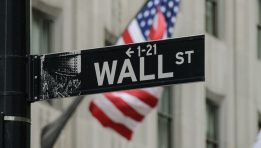
Global financial markets ended May 27, 2026, with a mixed tone as investors navigated uneven regional performance and significantly reduced
- omer bar
- •
- 7 Min Read
- •
- ago 4 hours
SKN | Will South Korea’s Central Bank Shift Stance After Holding Rates Steady?
South Korea’s central bank opted to keep its benchmark interest rate unchanged, signaling a continued preference for policy stability amid
- ago 4 hours
- •
- 7 Min Read

South Korea’s central bank opted to keep its benchmark interest rate unchanged, signaling a continued preference for policy stability amid


