


- sagi habasov
- •
- 7 Min Read
- •
- 6 months ago
Key Points
- Copper spikes to a fresh all-time high as withdrawal orders from Asian LME warehouses surge.
- Supply fears intensify amid mine disruptions and escalating US tariff concerns.
- Traders brace for key US economic data that could further influence metals demand.

Copper extended its blistering rally on Tuesday, breaking above $11,400 a ton after a sharp rise in requests to withdraw metal from London Metal Exchange warehouses signaled tightening supply conditions across key Asian hubs. The sudden wave of orders—driven largely by Taiwan and South Korea—rekindled concerns that the global copper market is heading into a more acute shortage period, fueled by structural disruptions and shifting trade flows. With prices now up roughly 30 percent for the year, traders and manufacturers are growing increasingly uneasy about the durability of supply as geopolitical risk and tariff uncertainty add fresh layers of complexity.
Asian Withdrawal Orders Bring Supply Tightness Into Focus
The latest warehouse data from the LME showed the largest jump in copper withdrawal requests since 2013, a move that immediately reverberated across the market. Taiwan and South Korea accounted for much of the surge, underscoring how regional demand remains resilient even as global inventories trend lower.
These withdrawal orders matter because they indicate immediate physical demand rather than speculative positioning. For a market already grappling with thin inventories, the abrupt drawdown amplified fears that producers and consumers are preparing for a worsening supply imbalance. The increase also reflects concerns that copper held in Asian warehouses may soon be diverted to higher-paying buyers in the United States, where traders are rushing to secure supply ahead of possible import tariffs.
Prices rose as much as 2.4 percent in early trading, surpassing Monday’s high and marking yet another record in a year defined by relentless upward momentum.
Disruptions From Mines to Smelters Continue to Reshape the Market
Underlying the price rally is a more persistent structural issue: global production has struggled to keep pace with rising demand. Mine disruptions across Indonesia, Chile, and parts of Latin America have reduced available supply, tightening the concentrates market at a time when Chinese smelters face declining treatment charges and increasingly tense negotiations with miners for 2026 delivery.
These talks have grown difficult as miners hold a stronger bargaining position, reflecting a supply environment where disruptions have become more frequent and extraction costs continue to rise. With long-term electrification trends—from EV manufacturing to grid expansion—supporting consumption, the copper market remains one of the most sensitive commodities to operational setbacks.
Tariff Uncertainty Fuels Accelerated Shipments to the U.S.
Another major driver of copper’s rally is strategic positioning ahead of possible US import tariffs. Traders are increasingly moving metal into America to capitalize on higher domestic pricing and hedge against future trade barriers. This diversion is tightening availability in Europe and Asia, reinforcing the market’s growing fragility.
If tariffs take effect, the flow of copper could shift even more aggressively, altering global pricing dynamics and concentrating supply risks in regions already facing elevated costs.
What Traders Are Watching Next
Investors now turn their attention to upcoming US economic releases—private sector employment, import prices, and industrial production—that could influence expectations for metals demand and Federal Reserve policy. With copper already trading at unprecedented levels, any sign of accelerating economic activity or additional supply stress could push prices even higher. Conversely, weaker demand signals or easing geopolitical risk may offer temporary relief.
For now, the market remains on edge as structural shortages, geopolitical uncertainty, and speculative behavior converge, setting the stage for continued volatility into year-end.
Comparison, examination, and analysis between investment houses
Leave your details, and an expert from our team will get back to you as soon as possible
* This article, in whole or in part, does not contain any promise of investment returns, nor does it constitute professional advice to make investments in any particular field.
To read more about the full disclaimer, click here
- omer bar
- •
- 8 Min Read
- •
- ago 11 hours
SKN | Can Oil Markets Sustain Momentum as Geopolitical Risk in the Strait of Hormuz Intensifies?
Global oil markets rebounded as geopolitical tensions escalated following reports of US strikes on targets linked to Iranian positions near
- ago 11 hours
- •
- 8 Min Read

Global oil markets rebounded as geopolitical tensions escalated following reports of US strikes on targets linked to Iranian positions near

- sagi habasov
- •
- 8 Min Read
- •
- ago 13 hours
SKN | Will Oil Prices Escalate Further After US Strike on Iranian Military Site Triggers Market Repricing?
Global oil markets rebounded after reports that US forces conducted strikes on an Iranian military site, reigniting concerns over geopolitical
- ago 13 hours
- •
- 8 Min Read

Global oil markets rebounded after reports that US forces conducted strikes on an Iranian military site, reigniting concerns over geopolitical

- Lior mor
- •
- 7 Min Read
- •
- ago 15 hours
SKN | Are Asian Equities Losing Momentum as Gulf Tensions Prolong Global Risk Aversion?
Asian equity markets paused their recent upward momentum as prolonged geopolitical tensions in the Gulf region weighed on investor sentiment
- ago 15 hours
- •
- 7 Min Read
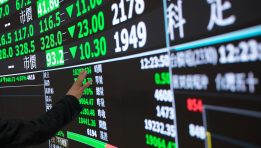
Asian equity markets paused their recent upward momentum as prolonged geopolitical tensions in the Gulf region weighed on investor sentiment
- omer bar
- •
- 8 Min Read
- •
- ago 23 hours
SKN | Canada Redirects Aluminium Trade Toward Europe as Iran Conflict Drives Prices Higher
Global aluminium markets are experiencing renewed volatility as escalating geopolitical tensions involving Iran fuel concerns over supply disruptions, higher
- ago 23 hours
- •
- 8 Min Read

Global aluminium markets are experiencing renewed volatility as escalating geopolitical tensions involving Iran fuel concerns over supply disruptions, higher


