




- sagi habasov
- •
- 6 Min Read
- •
- 34 seconds ago


Key Points
- Surging artificial intelligence data-center demand has absorbed global DRAM and NAND wafer capacity, driving combined memory and storage prices up roughly 130% in 2026.
- Best Buy reported third-quarter PC average selling prices up approximately 25% alongside mid-teens unit volume declines, while major laptop brands raised retail prices 15% to 30% ahead of Black Friday.
- For international allocators and Israeli tech desks, diverging 2027 trajectories—with NAND flash beginning to loosen while DRAM stays tight—create distinct winners across chipmakers, hardware OEMs, and metrology vendors.
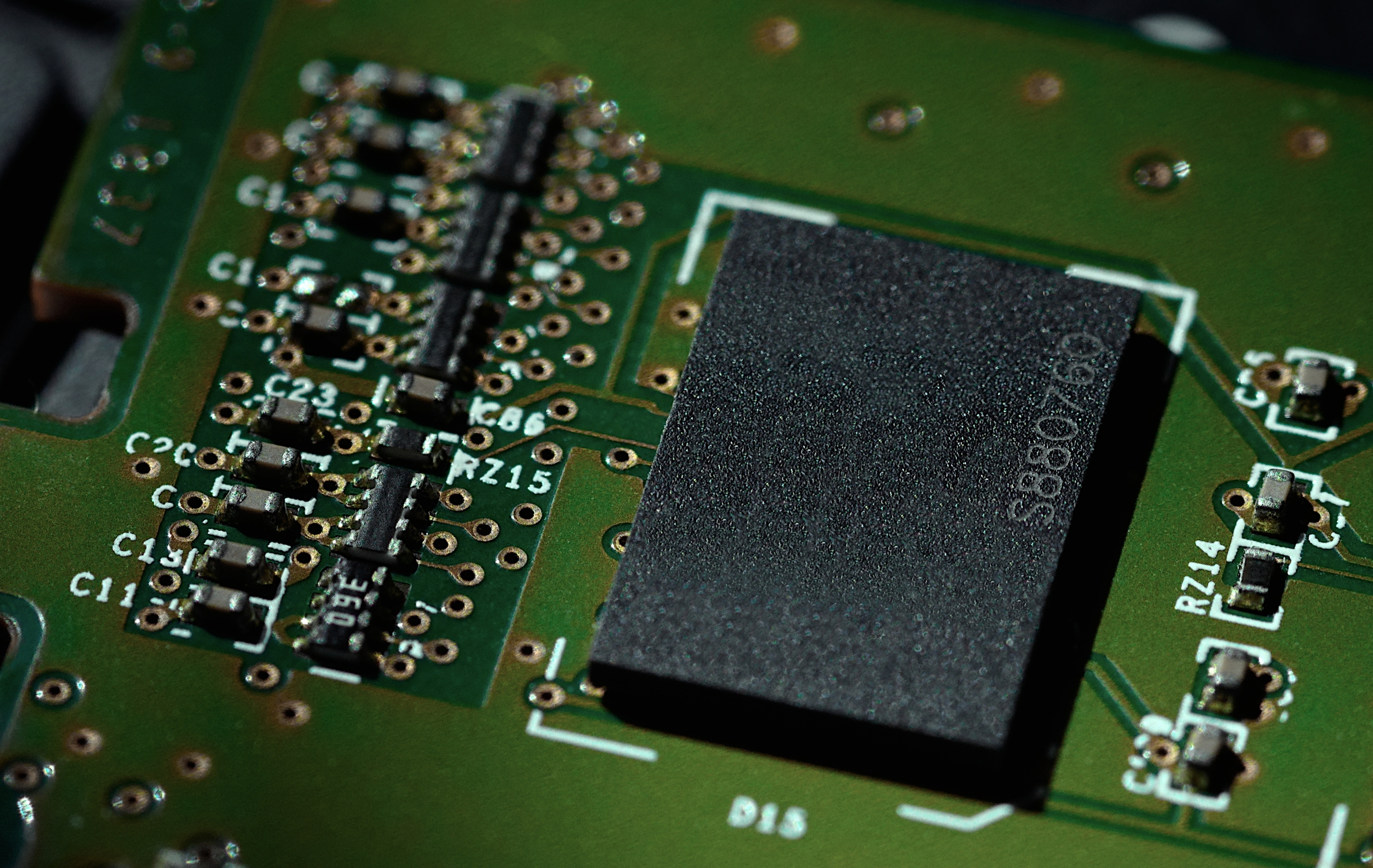
A fierce competition for memory semiconductors between hyperscale artificial intelligence data centers and consumer electronics manufacturers is reshaping the 2026 holiday shopping season, driving sharp price increases and thinner promotional discounts ahead of Black Friday on November 27. As memory chipmakers prioritize high-margin High Bandwidth Memory (HBM) and enterprise server modules, tighter DRAM and NAND flash allocations have pushed PC and smartphone bills of materials to multi-year highs.
AI Data-Center Prepayments Crowd Out Consumer Electronics Supply
The root of the retail price shock lies in structural wafer reallocation across leading memory fabricators including Samsung Electronics, SK Hynix, and Micron Technology. According to Gartner and Bernstein research, combined DRAM and solid-state drive (SSD) prices are projected to rise roughly 130% across full-year 2026, with 16-gigabit DDR5 contract prices surging from $8.70 in October 2025 to $48.00 by September 2026. Memory now accounts for 23% to 35% of a personal computer’s component cost, roughly double historical norms of 15% to 18%.
Unable to match the multi-quarter prepayments and long-term supply agreements offered by cloud hyperscalers, consumer hardware makers have passed costs directly to shoppers. Best Buy Co. reported this week that average PC selling prices climbed approximately 25% in its latest quarter even as unit volumes fell in the mid-teens, while major PC vendors including Dell, Lenovo, Acer, and ASUS raised retail prices between 15% and 30%. Retailers have responded to elevated wholesale costs by scaling back traditional doorbuster markdowns on newly built models, leaning instead on bundles, financing, and clearance discounts on older-generation inventory.
Diverging Memory Cycles and Transmission Channels for Israeli Desks
While consumer demand elasticity is visibly softening—with global PC shipments projected to fall more than 10% in 2026—upstream supply dynamics are beginning to bifurcate heading into 2027. TrendForce data indicates that conventional PC DRAM contract prices are still climbing another 13% to 18% in the fourth quarter, and Hewlett Packard Enterprise warned this week that broader component tightness could persist into the second half of 2028. Conversely, spot prices for NAND flash wafers have retreated roughly 20% since late October, signaling that storage costs may enter a downward cycle in early 2027 even as working-memory DRAM remains constrained.
For Israeli institutional pension managers and technology allocators on the Tel Aviv Stock Exchange (TASE), the prolonged memory capital-expenditure cycle reinforces fundamental support for local semiconductor-equipment and enterprise-storage ecosystems. Israeli wafer-inspection, metrology, and testing vendors benefit directly as global foundries expand cleanroom capacity to ease HBM and DRAM bottlenecks. Concurrently, with the New Israeli Shekel (NIS) consolidating near 3.35 per dollar against elevated 10-year U.S. Treasury yields, domestic multi-asset desks continue balancing selective semiconductor-equipment exposure with high-yielding local sovereign bonds (Shahar).
Outlook: Black Friday Elasticity, Q1 2027 Contract Reset, and Spec Downgrades
Market participants will scrutinize Black Friday and Cyber Monday sell-through figures over the coming week to gauge how sharply higher sticker prices are curbing holiday consumer spending. Looking into early 2027, investors should monitor first-quarter DRAM and NAND contract negotiations, potential hardware specification reductions—such as manufacturers reverting to 8-gigabyte base RAM configurations to protect entry-level price points—and hyperscaler AI capital-expenditure guidance.
Comparison, examination, and analysis between investment houses
Leave your details, and an expert from our team will get back to you as soon as possible
* This article, in whole or in part, does not contain any promise of investment returns, nor does it constitute professional advice to make investments in any particular field.
To read more about the full disclaimer, click here
- orshu
- •
- 6 Min Read
- •
- ago 1 hour
SKN | Taiwan Confident of Retaining 15% U.S. Tariff Cap Following Washington’s New Section 301 Overcapacity Proposals
Taiwan’s government expressed confidence on Thursday, November 26, 2026, that its previously negotiated 15% tariff ceiling with the United States
- ago 1 hour
- •
- 6 Min Read

Taiwan’s government expressed confidence on Thursday, November 26, 2026, that its previously negotiated 15% tariff ceiling with the United States

- Lior mor
- •
- 6 Min Read
- •
- ago 1 hour
SKN | S&P Puts Nvidia’s ‘AA’ Credit Rating on Negative Watch, Warning Long Director Tenures May Have Compromised Board Independence
S&P Global Ratings placed Nvidia Corp.’s ‘AA’ long-term issuer credit rating and senior unsecured debt rating on CreditWatch with negative
- ago 1 hour
- •
- 6 Min Read
S&P Global Ratings placed Nvidia Corp.’s ‘AA’ long-term issuer credit rating and senior unsecured debt rating on CreditWatch with negative

- sagi habasov
- •
- 7 Min Read
- •
- ago 5 hours
SKN | How Nvidia AI Chips Reached China Despite U.S. Export Controls
Advanced artificial intelligence chips have become a central battleground in the strategic competition between the United States and China,
- ago 5 hours
- •
- 7 Min Read
Advanced artificial intelligence chips have become a central battleground in the strategic competition between the United States and China,
- orshu
- •
- 7 Min Read
- •
- ago 5 hours
SKN | Nasdaq and S&P 500 Pare Sharp Losses as Investors Step In After Technology Selloff
U.S. stocks moved sharply off their session lows on November 25 as investors stepped in after a heavy technology-led
- ago 5 hours
- •
- 7 Min Read
U.S. stocks moved sharply off their session lows on November 25 as investors stepped in after a heavy technology-led
