




- Ronny Mor
- •
- 7 Min Read
- •
- 12 seconds ago


Key Points
- Federal Reserve Bank of Philadelphia President Anna Paulson stated on November 19 that the U.S. central bank will need to raise interest rates further because inflation remains too elevated.
- Addressing the Money Marketeers of New York University, Paulson argued that central bank credibility relies on building a shared understanding of the Fed’s policy reaction function rather than relying on explicit forward rate guidance or the Dot Plot.
- For international allocators and Israeli institutional desks, Paulson’s remarks reinforce market pricing for a 25-basis-point hike to the 4.00%–4.25% range at the December 8–9 FOMC meeting.
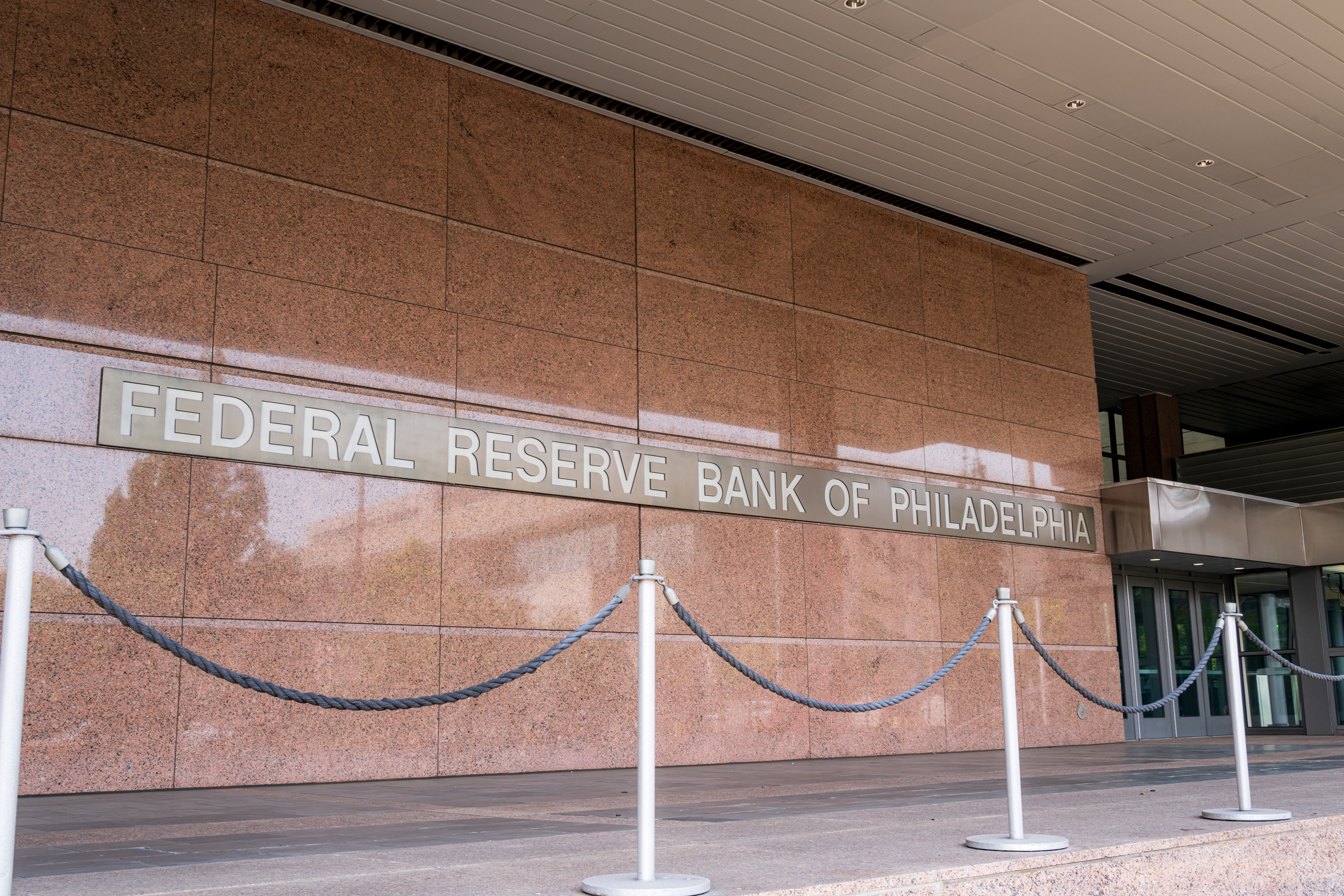
Federal Reserve Bank of Philadelphia President Anna Paulson reiterated on Thursday, November 19, 2026, that the U.S. central bank will need to raise interest rates again to subdue persistent inflation, while arguing that effective policy communication depends on a shared understanding of the Fed’s reaction function rather than explicit rate guidance. Speaking before the Money Marketeers of New York University ahead of the December 8–9 Federal Open Market Committee (FOMC) gathering, the 2026 voting policymaker underscored why markets absorbed October’s rate hold without mistaking it for the end of the tightening cycle.
Reaction-Function Credibility Over Explicit Forward Guidance
Paulson’s remarks come amid an active communication overhaul led by Fed Chair Kevin Warsh, who has shortened post-meeting FOMC policy statements, launched an internal communications review task force, and stepped away from offering explicit interest-rate guidance. Endorsing that shift, Paulson noted that the quarterly Summary of Economic Projections “Dot Plot” provides limited directional value during normal economic conditions, contending instead that “understanding matters more than the specific ways we communicate”.
To illustrate the point, Paulson pointed to the FOMC’s late-October decision to hold the federal funds rate steady in the 3.75%–4.00% range following September’s rate increase. Because investors clearly understood the central bank’s data-dependent reaction function, the pause functioned strictly as a calibrated change in pace rather than a pivot in direction—giving households and financial markets time to adjust without loosening financial conditions prematurely. Warning that the Fed must never “play with fire” on price stability, Paulson stressed that inflation is seeping into corporate pricing behavior and said she would support accelerating the pace of rate increases if inflation expectations drift higher, wage pressures intensify, or core inflation climbs further.
Rate Repricing and Transmission Channels for Israeli Desks
Paulson’s hawkish posture aligns with money-market pricing ahead of next month’s FOMC meeting, where futures assign high odds to a 25-basis-point hike to the 4.00%–4.25% target range—and further tightening into early 2027—following sticky October consumer and producer inflation prints. Reduced forward guidance from Washington also signals higher intraday rate volatility around Tier-1 U.S. macro releases, as traders must infer policy responses directly from incoming labor and price data rather than central bank pre-commitments.
For Israeli institutional pension managers and fixed-income desks on the Tel Aviv Stock Exchange (TASE), the Fed’s shift away from explicit rate guidance carries direct portfolio and currency implications. With 10-year U.S. Treasury yields elevated above 5.10% and the U.S. Dollar Index holding near 19-month highs, reduced predictability around U.S. terminal rates increases duration and cross-currency hedging costs. Concurrently, with the New Israeli Shekel (NIS) consolidating steadily near 3.17 per dollar, local multi-asset desks are maintaining disciplined currency hedge ratios while favoring high-yielding domestic sovereign bonds (Shahar) and inflation-linked government notes (Galil) to insulate portfolios against global rate-path uncertainty.
Outlook: December 8–9 FOMC Decision, Wage Data, and Communications Review
Moving into the final policy gathering of 2026, market participants will monitor incoming November employment and consumer price reports to assess whether gradual quarter-point increments remain sufficient or if upside inflation risks warrant faster action. Key catalysts to watch include the December 8–9 FOMC rate decision, Chair Warsh’s press conference, and forthcoming recommendations from the Fed’s communications task force. As explicit forward guidance recedes, institutional allocators will increasingly price fixed-income and foreign-exchange markets directly off real-time inflation and labor momentum.
Comparison, examination, and analysis between investment houses
Leave your details, and an expert from our team will get back to you as soon as possible
* This article, in whole or in part, does not contain any promise of investment returns, nor does it constitute professional advice to make investments in any particular field.
To read more about the full disclaimer, click here
- sagi habasov
- •
- 6 Min Read
- •
- ago 5 minutes
SKN | Japan’s Core Inflation Accelerates to 2.2% in October, Cementing December Bank of Japan Rate Hike Expectations
Japan’s core consumer inflation accelerated to 2.2% year-on-year in October 2026 from 2.1% in September, official government data showed on
- ago 5 minutes
- •
- 6 Min Read

Japan’s core consumer inflation accelerated to 2.2% year-on-year in October 2026 from 2.1% in September, official government data showed on

- Ronny Mor
- •
- 7 Min Read
- •
- ago 3 hours
SKN | US Margin Debt Climbs to Dot-Com Era Levels as Investor Leverage Reaches New Highs
Borrowing to finance stock-market positions is becoming an increasingly important feature of the US investment landscape. According to the
- ago 3 hours
- •
- 7 Min Read

Borrowing to finance stock-market positions is becoming an increasingly important feature of the US investment landscape. According to the
- sagi habasov
- •
- 6 Min Read
- •
- ago 6 hours
Japan’s Export Engine Roars: October Shipments Surge 20.5% on Chip Boom, Offsetting Wartime Oil Import Costs
Asian equity markets and Japan’s export-oriented industrial base received a crucial macroeconomic catalyst on November 18, 2026, as October trade
- ago 6 hours
- •
- 6 Min Read

Asian equity markets and Japan’s export-oriented industrial base received a crucial macroeconomic catalyst on November 18, 2026, as October trade

- Lior mor
- •
- 6 Min Read
- •
- ago 6 hours
Record Diesel Prices Propel U.K. Inflation to One-Year High of 3.6%, Cementing December Rate Hike Bets
U.K. fixed income, currency, and equity markets confronted renewed macroeconomic headwinds on November 18, 2026, following the release of
- ago 6 hours
- •
- 6 Min Read

U.K. fixed income, currency, and equity markets confronted renewed macroeconomic headwinds on November 18, 2026, following the release of