




- Lior mor
- •
- 6 Min Read
- •
- 1 minute ago


Key Points
- Britain’s Office for National Statistics (ONS) reported on November 18, 2026, that annual Consumer Price Index (CPI) inflation climbed to 3.6% in October (up from 3.5% in September), marking a 12-month peak well above the Bank of England’s 2% target.
- Headline inflation was driven by a 33.2% annual surge in motor fuel costs—the steepest jump since July 2022—as average diesel prices rose 7 pence per liter to a record 199.5 pence (the highest since ONS records began in 1996), while petrol reached 174.7 pence.
- Amid ongoing U.S.-Iran conflict disruptions in the Strait of Hormuz, traders are pricing an roughly 80% probability of another Bank of England rate hike in December, following this month’s initial hike to 4% and warnings that inflation could reach 5% by mid-2027.
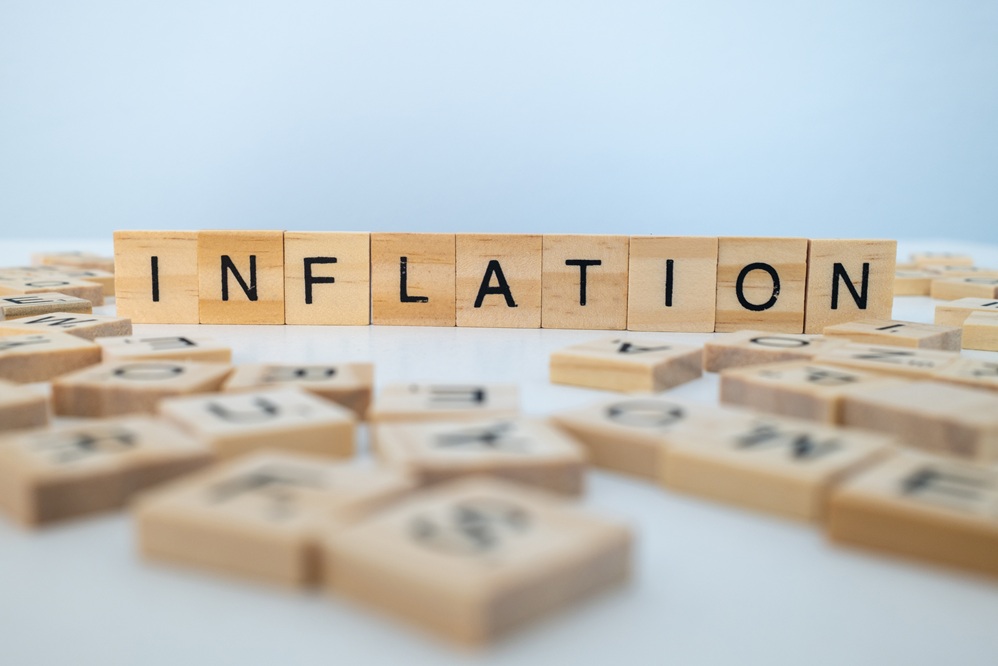
U.K. fixed income, currency, and equity markets confronted renewed macroeconomic headwinds on November 18, 2026, following the release of October Consumer Price Index figures. Comprehensive reporting from CNBC and London market desks highlights a bifurcated inflation dynamic: while core CPI (excluding energy, food, alcohol, and tobacco) held steady at 2.8% and food inflation eased to 0.9%, external energy shocks pushed headline inflation higher for a fourth consecutive month. As a net energy importer, the British economy remains acutely vulnerable to trade disruptions across the Strait of Hormuz, turning elevated pump prices and household utility caps into the primary inflationary catalyst entering winter.
The Economic Mechanism: Imported Energy Shocks and Delayed Cost Rollover
The core economic dynamic shaping U.K. monetary policy reflects structural energy import dependency combined with a staggered “cost rollover” mechanism across consumer utility tariffs. Since the U.S.-Iran conflict erupted in late February, crude benchmarks spiked well above $100 per barrel before retreating slightly to still-elevated levels. In Britain, these costs transmit through two channels: immediate forecourt inflation (lifting monthly CPI by 0.5% and pushing goods inflation to 3.5%), and the Ofgem household energy price cap, which was revised upward in July and October. Because regulatory price caps stagger wholesale energy pass-through, elevated gas and fuel expenses will continue rolling onto household budgets and logistics networks well into mid-2027.
Market Psychology: Dismantling Disinflation Bias and Re-pricing Policy Tightening
On a psychological level, October’s print dismantles the confirmation bias held by market participants who assumed retreating crude oil futures would immediately arrest consumer price growth. Institutional desks now recognize that retail fuel pricing lags crude pullbacks and that geopolitical risks remain skewed to the upside—echoing Bank of England Governor Andrew Bailey’s warning that without progress toward settling the Middle East conflict, inflation risks remain elevated. Policy-tightening anxiety has firmly taken hold: having already delivered its first rate hike in three years earlier this month to 4%, money markets are pricing an ~80% probability of a consecutive hike in December amid resilient labor market indicators.
Strategic Asset Allocation and U.K. Portfolio Rebalancing
For global portfolio managers, CNBC’s November 18, 2026, inflation dispatch acts as a primary catalyst for tactical asset allocation adjustments across European and U.K. mandates. Institutional allocators are increasing exposure to inflation-linked sovereign debt (Linkers) and cash-generative energy majors while underweighting U.K. domestic discretionary retailers vulnerable to real household disposable income compression.
In conclusion, U.K. inflation reaching 3.6% underscores how geopolitical supply shocks can rapidly reverse central bank easing cycles. The Bank of England’s capacity to prevent record diesel and utility costs from sparking second-round wage pressures will define the trajectory of British borrowing costs in 2027. For professional asset managers, monitoring Strait of Hormuz energy transit flows alongside December’s Monetary Policy Committee decision remains essential to managing portfolio risk.
Comparison, examination, and analysis between investment houses
Leave your details, and an expert from our team will get back to you as soon as possible
* This article, in whole or in part, does not contain any promise of investment returns, nor does it constitute professional advice to make investments in any particular field.
To read more about the full disclaimer, click here
- sagi habasov
- •
- 7 Min Read
- •
- ago 3 hours
SKN | Fed’s Jefferson Warns AI Boom Is Adding to Inflation Before Productivity Gains Arrive
The rapid expansion of artificial intelligence infrastructure is creating a new challenge for U.S. monetary policy as stronger demand
- ago 3 hours
- •
- 7 Min Read
The rapid expansion of artificial intelligence infrastructure is creating a new challenge for U.S. monetary policy as stronger demand

- Ronny Mor
- •
- 8 Min Read
- •
- ago 21 hours
SKN | Fed Minutes Highlight Financial Stability Risks From AI Investment and Elevated Asset Prices
AI Investment Raises Financial Stability Concerns Federal Reserve policymakers are increasingly monitoring risks associated with aggressive artificial intelligence investment and
- ago 21 hours
- •
- 8 Min Read
AI Investment Raises Financial Stability Concerns Federal Reserve policymakers are increasingly monitoring risks associated with aggressive artificial intelligence investment and
- sagi habasov
- •
- 6 Min Read
- •
- ago 23 hours
SKN | U.S. Business Inflation Expectations Rise to 2.5% as Cost Pressures Begin Moving Higher Again
Business Inflation Expectations Continue to Rise U.S. businesses are reporting a modest increase in expected cost pressures, with the Atlanta
- ago 23 hours
- •
- 6 Min Read
Business Inflation Expectations Continue to Rise U.S. businesses are reporting a modest increase in expected cost pressures, with the Atlanta

- Arik Arkadi Sluzki
- •
- 6 Min Read
- •
- ago 24 hours
SKN | Fed’s Barr Signals Further Rate Hikes as Inflation Remains Too High
Federal Reserve Governor Michael Barr signaled support for additional monetary tightening, arguing that persistent inflation pressures remain inconsistent with
- ago 24 hours
- •
- 6 Min Read
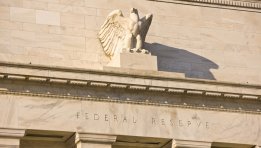
Federal Reserve Governor Michael Barr signaled support for additional monetary tightening, arguing that persistent inflation pressures remain inconsistent with
