




- Ronny Mor
- •
- 8 Min Read
- •
- 4 minutes ago


Key Points
- AI investment risks: Federal Reserve policymakers expressed concern that disappointing returns on large AI investments could trigger financial stress, particularly as AI-related borrowing expands through complex financing structures.
- Market vulnerabilities: Elevated asset valuations, hedge fund leverage and limited dealer intermediation capacity were identified as potential channels for amplifying financial shocks.
- Preventive measures: Officials discussed strengthening bank capital, improving access to emergency lending facilities and potentially establishing a dedicated asset-purchase mechanism to address financial stability risks.
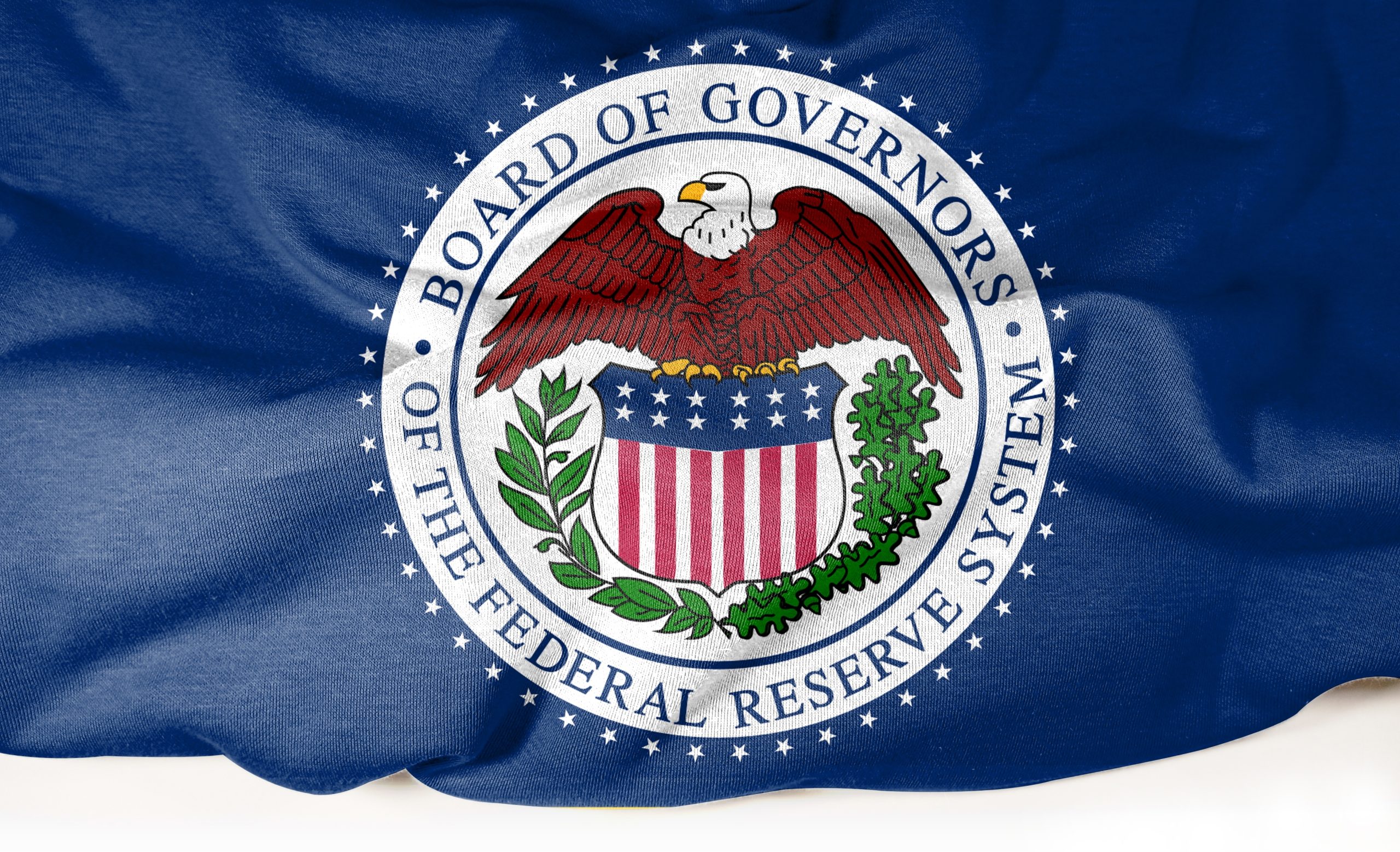
AI Investment Raises Financial Stability Concerns
Federal Reserve policymakers are increasingly monitoring risks associated with aggressive artificial intelligence investment and elevated asset prices, according to minutes from the central bank’s October 27-28 meeting.
The discussion formed part of a broader assessment of vulnerabilities across the financial system. Although officials described the banking system as resilient, they warned that concentrated exposures, leverage and potential losses in technology-related investments could amplify market disruptions.
Almost all policymakers agreed that further interest rate increases would be necessary if economic conditions developed as expected. The October meeting itself resulted in rates being held steady despite continued concerns about persistent inflation.
The minutes highlighted the possibility that returns on AI investments could disappoint investors, potentially creating broader consequences for financial markets and the economy.
AI-Related Debt and Market Concentration
Policymakers noted that borrowing connected to artificial intelligence had expanded rapidly, with much of the growth occurring through complex and relatively opaque financing structures.
A few officials also expressed concern that AI-related exposure was concentrated among a relatively small number of companies. Such concentration could increase vulnerability if investment expectations deteriorate or financing conditions tighten.
The concern comes as financial markets have experienced heightened uncertainty surrounding the future profitability of AI investments and the growing reliance on debt to fund technology infrastructure.
The minutes indicate that the Federal Reserve is examining not only the scale of AI investment but also how its financing could transmit losses across the broader financial system.
Hedge Fund Leverage and Banking Vulnerabilities
Hedge fund leverage was another major concern. Most participants identified elevated borrowing among hedge funds or limited capacity among dealers to intermediate transactions as potential mechanisms for amplifying periods of market stress.
Federal Reserve staff assessed that current financial vulnerabilities could intensify economic shocks more than usual. Elevated asset valuations and hedge fund leverage were identified as the most significant weaknesses, although strong bank and household balance sheets were viewed as important buffers.
Despite this assessment, some policymakers cautioned that banking vulnerabilities could emerge rapidly, even after initially reassuring evaluations. Others questioned whether available Federal Reserve data captured the full extent of financial institutions’ exposures.
Fed Considers Additional Financial Safeguards
The minutes also revealed discussions about measures that could strengthen the financial system against future disruptions.
A few policymakers considered increasing bank capital requirements, while others emphasized improving banks’ readiness to access the Federal Reserve’s discount window during periods of financial stress.
Some officials also discussed a potential dedicated asset-purchase mechanism designed specifically to address financial stability concerns.
These discussions come as the Federal Reserve continues to evaluate how its balance sheet should function as a policy tool. Its holdings have expanded significantly over the past two decades following large-scale bond purchases during the 2008 financial crisis and the COVID-19 pandemic.
Cleveland Fed President Beth Hammack has advocated for a more clearly defined framework for purchasing bonds during periods of instability, alongside a strategy for selling those holdings once market conditions recover. She has emphasized that any such program should be temporary.
Several policymakers also cautioned that monetary policy is not necessarily the appropriate instrument for addressing financial market disruptions.
What Investors Should Watch Next
The Federal Reserve’s assessment highlights the growing connection between AI investment, corporate borrowing and broader financial stability. Investors will be watching whether AI-related debt continues to expand, whether valuations remain elevated and whether financing risks become more concentrated.
Further discussions about bank capital, emergency lending preparedness and the Federal Reserve’s balance-sheet framework could also shape future financial safeguards.
The central challenge for policymakers will be distinguishing between ordinary market volatility and vulnerabilities capable of spreading across the financial system, particularly as technology investment becomes an increasingly important driver of economic growth.
Comparison, examination, and analysis between investment houses
Leave your details, and an expert from our team will get back to you as soon as possible
* This article, in whole or in part, does not contain any promise of investment returns, nor does it constitute professional advice to make investments in any particular field.
To read more about the full disclaimer, click here
- sagi habasov
- •
- 6 Min Read
- •
- ago 3 hours
SKN | U.S. Business Inflation Expectations Rise to 2.5% as Cost Pressures Begin Moving Higher Again
Business Inflation Expectations Continue to Rise U.S. businesses are reporting a modest increase in expected cost pressures, with the Atlanta
- ago 3 hours
- •
- 6 Min Read
Business Inflation Expectations Continue to Rise U.S. businesses are reporting a modest increase in expected cost pressures, with the Atlanta

- Arik Arkadi Sluzki
- •
- 6 Min Read
- •
- ago 3 hours
SKN | Fed’s Barr Signals Further Rate Hikes as Inflation Remains Too High
Federal Reserve Governor Michael Barr signaled support for additional monetary tightening, arguing that persistent inflation pressures remain inconsistent with
- ago 3 hours
- •
- 6 Min Read
Federal Reserve Governor Michael Barr signaled support for additional monetary tightening, arguing that persistent inflation pressures remain inconsistent with
- sagi habasov
- •
- 7 Min Read
- •
- ago 3 hours
SKN | Dollar Strengthens as Waller Signals More Aggressive Fed Action on Inflation
The U.S. dollar strengthened to a 19-month high as increasingly hawkish Federal Reserve commentary reinforced expectations for tighter monetary
- ago 3 hours
- •
- 7 Min Read

The U.S. dollar strengthened to a 19-month high as increasingly hawkish Federal Reserve commentary reinforced expectations for tighter monetary

- Ronny Mor
- •
- 6 Min Read
- •
- ago 6 hours
SKN | US Single-Family Housing Starts Rebound 4% as Building Permits Plunge 8.7%
Housing Starts Rebound Despite Weakening Outlook US single-family homebuilding recorded a rebound in October, although the increase may prove temporary
- ago 6 hours
- •
- 6 Min Read

Housing Starts Rebound Despite Weakening Outlook US single-family homebuilding recorded a rebound in October, although the increase may prove temporary
