




- Ronny Mor
- •
- 6 Min Read
- •
- 1 minute ago


Key Points
- Construction activity improves: US single-family housing starts increased 4.0% in October to an annualized rate of 864,000 units.
- Permits signal weakness: Building permits for single-family homes fell 8.7% to an annualized rate of 772,000 units, pointing to weaker future construction activity.
- Housing pressures intensify: Higher mortgage rates, inflation, labor shortages and rising construction costs continue to weigh on homebuilders and housing demand.
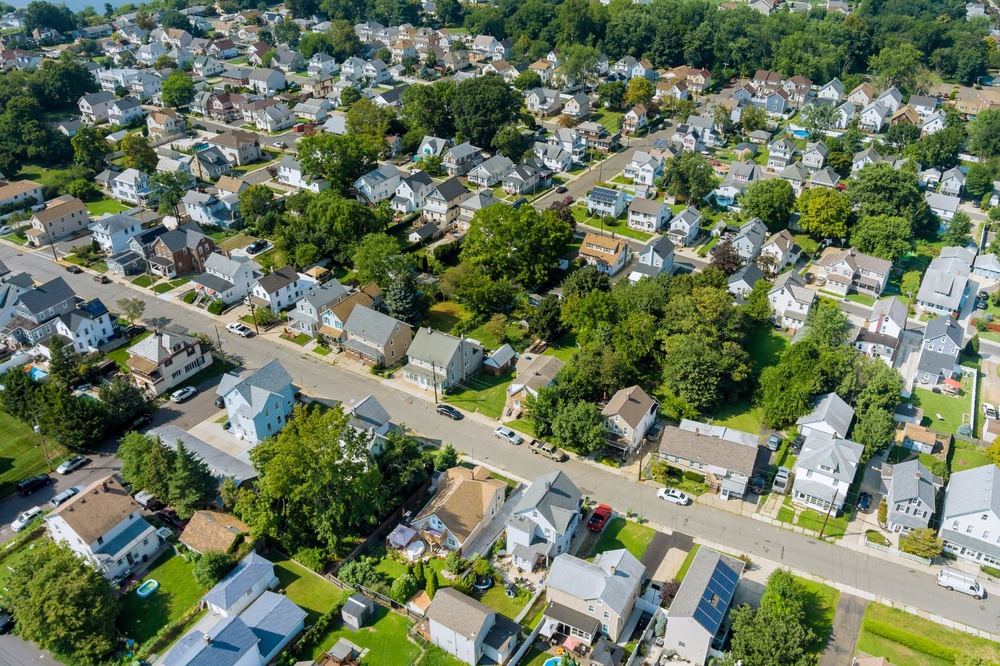
Housing Starts Rebound Despite Weakening Outlook
US single-family homebuilding recorded a rebound in October, although the increase may prove temporary as building permits declined sharply. The latest figures suggest that current construction activity remains stronger than the pipeline of projects expected to move forward.
Single-family housing starts, which account for most residential construction, increased 4.0% to a seasonally adjusted annual rate of 864,000 units, according to data from the Commerce Department’s Census Bureau.
However, permits for future single-family construction fell 8.7% to an annualized rate of 772,000 units. The divergence between starts and permits highlights the challenges facing the housing sector, with the decline in approvals pointing to potential weakness in construction activity ahead.
Mortgage Rates and Inflation Pressure Buyers
Higher borrowing costs remain a significant obstacle for prospective homebuyers. The US-Israel war with Iran has pushed mortgage rates higher, making homeownership increasingly difficult for younger Americans.
Freddie Mac data showed that the average rate on a 30-year fixed mortgage reached 7.18% last week, representing an increase of 120 basis points since the conflict began in late February.
Elevated financing costs are adding pressure to housing affordability at a time when inflation is also weighing on household budgets. These conditions are limiting demand and contributing to uncertainty across the residential property market.
Homebuilder Confidence and Construction Costs Deteriorate
Sentiment among single-family homebuilders weakened further in October, reaching its lowest level since April 2012, according to the National Association of Home Builders.
The association cited stepped-up immigration enforcement as a factor keeping legal workers away from construction sites, deepening labor shortages and increasing costs. Builders are also facing higher expenses for energy and materials.
An overhang of unsold new homes is creating another obstacle, constraining the need for additional single-family construction. Together, weaker confidence, elevated costs and excess inventory are complicating the outlook for residential developers.
Residential Investment Faces Prolonged Weakness
The broader housing downturn could extend into 2027, with economists expecting continued pressure as the Federal Reserve is forecast to raise interest rates further following next month’s widely anticipated increase.
Residential investment, which includes homebuilding, has already contracted in six of the past seven quarters. The prolonged weakness reflects the challenges facing the sector as financing costs and construction expenses remain elevated.
What Investors Should Watch Next
The sharp decline in building permits will be an important indicator to monitor because it may signal weaker construction activity in the months ahead. Mortgage rates, homebuilder sentiment, labor availability and unsold housing inventory will also influence the sector’s direction.
Although October’s increase in housing starts offers a positive near-term reading, the broader indicators point to continued pressure. Further Federal Reserve tightening could extend affordability challenges and weigh on residential investment into 2027.
Comparison, examination, and analysis between investment houses
Leave your details, and an expert from our team will get back to you as soon as possible
* This article, in whole or in part, does not contain any promise of investment returns, nor does it constitute professional advice to make investments in any particular field.
To read more about the full disclaimer, click here
- Ronny Mor
- •
- 5 Min Read
- •
- ago 7 hours
SKN | Ross Stores Q3 Earnings Preview: Revenue Growth Expected to Reach 11.2%
Strong Previous Quarter Raises Expectations Ross Stores (NASDAQ: ROST) enters its third-quarter earnings announcement following a strong performance in the
- ago 7 hours
- •
- 5 Min Read

Strong Previous Quarter Raises Expectations Ross Stores (NASDAQ: ROST) enters its third-quarter earnings announcement following a strong performance in the

- sagi habasov
- •
- 5 Min Read
- •
- ago 7 hours
SKN | Keysight Earnings Preview: Revenue Growth Expected to Accelerate to 37.2%
Strong Previous Quarter Sets the Stage Keysight Technologies (NYSE: KEYS), an electronic measurement provider, is preparing to release its latest
- ago 7 hours
- •
- 5 Min Read

Strong Previous Quarter Sets the Stage Keysight Technologies (NYSE: KEYS), an electronic measurement provider, is preparing to release its latest

- Lior mor
- •
- 5 Min Read
- •
- ago 10 hours
SKN | Lowe’s Prepares for Q3 Earnings as Analysts Adjust Price Targets
Lowe’s Companies, Inc. (NYSE: LOW) is scheduled to report its third-quarter results before the market opens on Wednesday, Nov. 18.
- ago 10 hours
- •
- 5 Min Read

Lowe’s Companies, Inc. (NYSE: LOW) is scheduled to report its third-quarter results before the market opens on Wednesday, Nov. 18.
- Lior mor
- •
- 6 Min Read
- •
- ago 15 hours
SKN | Nvidia Interim CEO Colette Kress Balances Record 103% Revenue Growth Against Governance Turmoil
Nvidia Corp. interim Chief Executive Officer Colette Kress delivered a commanding operational beat in the chipmaker’s first quarterly earnings report
- ago 15 hours
- •
- 6 Min Read

Nvidia Corp. interim Chief Executive Officer Colette Kress delivered a commanding operational beat in the chipmaker’s first quarterly earnings report
