




- Ronny Mor
- •
- 6 Min Read
- •
- 3 minutes ago


Key Points
- Wells Fargo analysts say overall U.S. consumer credit quality remains healthy despite higher gasoline prices, inflation and elevated interest rates.
- Nine emerging warning signs are concentrated among lower-income households and auto lending, while affluent consumers continue to demonstrate greater financial resilience.
- Stable credit card spending and declining delinquency rates offer support, although slower wage growth and household cost pressures remain important risks.
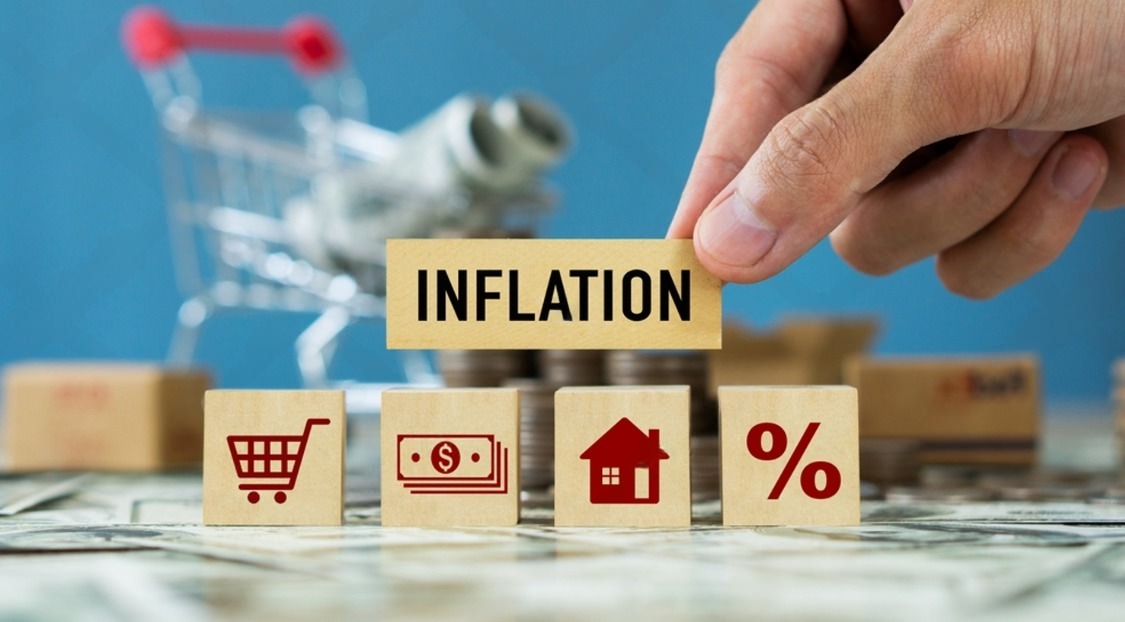
The U.S. consumer sector continues to support the broader economy, even as persistent inflation and higher living costs weigh on household budgets. In a November 17 assessment, Wells Fargo analysts described overall consumer health as broadly solid, pointing to relatively stable spending and healthy credit quality while identifying growing pressure among lower-income households and parts of the auto lending market.
Consumer Credit Quality Remains Broadly Stable
Wells Fargo identified nine emerging warning signs across consumer finance companies, financial technology firms and banks. The concerns were concentrated around lower-income consumers and auto lending, suggesting that financial pressure is becoming more visible in specific segments rather than spreading uniformly across the household sector.
Higher gasoline prices, elevated interest rates and persistent inflation are increasing the cost of maintaining household budgets. Wells Fargo also noted that wage growth is no longer outpacing inflation, reducing the improvement in purchasing power that previously helped consumers absorb higher expenses. Nevertheless, the analysts said overall credit quality remained healthy, with both large and smaller credit card issuers continuing to report declining delinquency rates.
Spending Trends Highlight a Divide Between Households
The difference between income groups remains central to the consumer outlook. Affluent households have continued to demonstrate stronger financial conditions, supported by greater capacity to absorb higher prices and borrowing costs. Lower-income consumers, by contrast, are more exposed to increases in essential expenses, leaving less room for discretionary purchases and savings.
Despite these pressures, Wells Fargo said credit card spending growth had remained relatively steady. The bank also noted that even subprime lenders were recording stable early-stage delinquency rates despite higher gasoline prices. These indicators suggest that household financial stress has not yet translated into broad deterioration in repayment behavior. However, stable early-stage delinquencies do not eliminate the possibility of future pressure if inflation remains elevated or employment conditions weaken.
Energy Prices and Consumer Finance Companies in Focus
Wells Fargo highlighted gasoline prices as a potential factor influencing both household finances and the outlook for consumer finance companies. A significant decline in fuel costs could provide consumers with additional disposable income, potentially supporting spending and improving the operating environment for lenders and payment companies.
The analysts also maintained a constructive view of American Express, citing its exposure to affluent consumers and comparatively lower regulatory risk. The assessment reflects the importance of customer composition in the financial sector, as institutions serving higher-income households may be better positioned to withstand pressure on consumer purchasing power.
Looking ahead, inflation, gasoline prices, wage growth and employment conditions will remain critical indicators of U.S. consumer health. A sustained decline in energy costs could provide relief and support credit performance, but persistent price pressures or weaker labor market conditions could gradually affect lower-income households and increase risks in auto lending. For global investors and Israeli asset allocators monitoring U.S. economic momentum, the key question will be whether current consumer resilience can continue without a broader deterioration in household purchasing power.
Comparison, examination, and analysis between investment houses
Leave your details, and an expert from our team will get back to you as soon as possible
* This article, in whole or in part, does not contain any promise of investment returns, nor does it constitute professional advice to make investments in any particular field.
To read more about the full disclaimer, click here
- Lior mor
- •
- 8 Min Read
- •
- ago 2 hours
SKN | US Retail Sales Rise Moderately as Import Prices Exceed Expectations
US Retail Sales Show Moderate Growth US retail sales increased 0.2% in October as consumers reduced purchases of motor vehicles
- ago 2 hours
- •
- 8 Min Read

US Retail Sales Show Moderate Growth US retail sales increased 0.2% in October as consumers reduced purchases of motor vehicles

- orshu
- •
- 6 Min Read
- •
- ago 16 hours
SKN | U.S. Federal Debt Interest Costs Reach Record $115 Billion in October: Will Rising Debt Service Crowd Out Fiscal Flexibility?
Gross interest expense on U.S. federal debt rose $11 billion year-on-year in October 2026 to $115 billion, marking the highest
- ago 16 hours
- •
- 6 Min Read
Gross interest expense on U.S. federal debt rose $11 billion year-on-year in October 2026 to $115 billion, marking the highest

- Arik Arkadi Sluzki
- •
- 5 Min Read
- •
- ago 22 hours
SKN | Fed’s Hammack Backs Slow, Steady Rate Hikes as Inflation Pressures Build
Federal Reserve Bank of Cleveland President Beth Hammack reiterated her preference for a slow and steady approach to interest-rate
- ago 22 hours
- •
- 5 Min Read
Federal Reserve Bank of Cleveland President Beth Hammack reiterated her preference for a slow and steady approach to interest-rate

- Ronny Mor
- •
- 8 Min Read
- •
- ago 2 days
SKN | US Budget Deficit Surges to $404 Billion in October as Defense Spending and Debt Interest Costs Increase
The United States has opened fiscal 2027 with a substantial deterioration in its budget balance, highlighting the growing challenge
- ago 2 days
- •
- 8 Min Read

The United States has opened fiscal 2027 with a substantial deterioration in its budget balance, highlighting the growing challenge
