




- Lior mor
- •
- 7 Min Read
- •
- 9 minutes ago


Key Points
- Nvidia has warned customers that proposed US legislation targeting remote access to AI chips by Chinese companies could expose both the chipmaker and its customers to legal action.
- The company said it would not sell chips to customers who rent more than 50% of their graphics processing unit capacity to Chinese companies.
- The proposed Remote Access Security Act has passed the House of Representatives but remains pending in the Senate, while the Commerce Department has introduced a separate rule addressing remote access to advanced AI technology.
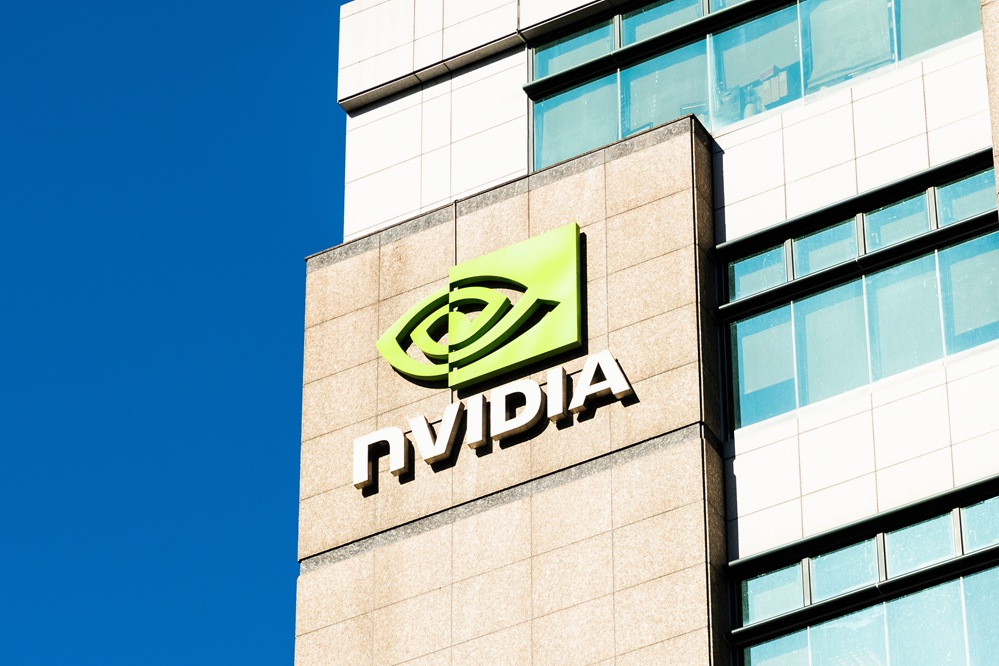
Nvidia Alerts Customers to Proposed Legal Risks
Nvidia has cautioned customers that proposed US legislation governing Chinese companies’ remote access to its artificial intelligence chips could create legal risks for both the company and its buyers.
According to people familiar with private communications, Nvidia warned customers in recent months about the proposed Remote Access Security Act (RASA). The legislation would give the US government broader authority to regulate access to cloud services hosting advanced chips, applying controls similar to those governing physical hardware.
Nvidia reportedly said the proposed framework could expose both service providers and customers to legal action. The company also stated that, for now, it would not sell chips to customers that rent more than 50% of their GPU capacity to Chinese companies.
Separately, reports earlier this month indicated that Nvidia had verbally instructed data-center clients to direct at least 51% of their services to non-Chinese customers under future contracts.
US Expands Scrutiny of Remote Chip Access
Existing US export controls restrict shipments of advanced Nvidia chips to China. However, regulators have had more limited authority over Chinese companies accessing those chips remotely through cloud infrastructure located in other countries.
RASA passed the House of Representatives in January but has not yet cleared the Senate. The proposal reflects growing concern in Washington that overseas data centers could provide Chinese companies with access to computing resources that they cannot obtain directly through conventional hardware purchases.
The issue has attracted attention from President Donald Trump’s administration, which has sought to restrict China’s access to advanced chips in an effort to preserve the United States’ position in artificial intelligence development.
Recent cases have highlighted the challenges facing regulators. Chinese AI company Moonshot AI reportedly sought access to Nvidia chips through data centers in Europe. The Trump administration had previously accused the company of accessing chips through facilities in East Asia.
Commerce Department Introduces Additional Controls
The US Commerce Department’s Bureau of Industry and Security announced an interim final rule on Monday designed to prevent Chinese companies from remotely accessing advanced American AI chips.
The move adds another layer of regulatory oversight to an increasingly complex environment for semiconductor manufacturers, cloud providers and data-center operators. Companies operating internationally may face greater compliance requirements as US authorities seek to extend export-control enforcement beyond direct hardware shipments.
Nvidia has previously stated in a securities filing that it seeks to comply strictly with applicable export-control regulations. However, the company also acknowledged that it does not have physical control over its products after they are sold and relies on customers and partners to maintain their own compliance programs.
Political Pressure Adds to Nvidia’s Challenges
Nvidia is also facing questions from US officials about whether its business practices have adequately prevented restricted access to its technology.
Treasury Secretary Scott Bessent questioned whether Nvidia’s corporate culture had encouraged potentially illicit sales to increase revenue and earnings. His comments reflect broader political scrutiny of the company’s role in supplying the technology underpinning the global AI industry.
What Investors Should Watch Next
The Senate’s consideration of RASA and the implementation of the Commerce Department’s new rule will be important developments for Nvidia and the wider semiconductor industry. Investors will be monitoring how the restrictions affect overseas data-center demand, customer contracts and the company’s ability to enforce compliance after chips are sold.
Any expansion of remote-access controls could increase regulatory and operational complexity for Nvidia, while potentially changing how international cloud providers allocate computing capacity. The balance between protecting US technological leadership and maintaining access to global markets remains a central issue for the industry.
Comparison, examination, and analysis between investment houses
Leave your details, and an expert from our team will get back to you as soon as possible
* This article, in whole or in part, does not contain any promise of investment returns, nor does it constitute professional advice to make investments in any particular field.
To read more about the full disclaimer, click here
- sagi habasov
- •
- 7 Min Read
- •
- ago 5 hours
SKN | Nvidia Board Warned of “Irreplaceable” Talent Loss in Employee Letter: Can Directors Hold the Line Ahead of Q3 Earnings?
Nvidia Corp.’s board of directors has received a direct warning from senior internal engineering leadership that top technical talent is
- ago 5 hours
- •
- 7 Min Read
Nvidia Corp.’s board of directors has received a direct warning from senior internal engineering leadership that top technical talent is

- Ronny Mor
- •
- 7 Min Read
- •
- ago 7 hours
SKN | U.S. Tightens AI Chip Export Rules Ahead of Trump’s Asia Trip: Will New Cloud Curbs Close Beijing’s Remote Access Loophole?
The U.S. Commerce Department issued sweeping export restrictions on Monday, November 16, 2026, to prevent Chinese companies from accessing advanced
- ago 7 hours
- •
- 7 Min Read
The U.S. Commerce Department issued sweeping export restrictions on Monday, November 16, 2026, to prevent Chinese companies from accessing advanced

- orshu
- •
- 7 Min Read
- •
- ago 11 hours
SKN | Institutional Investors Cool on Data Center Stocks as AI Infrastructure Trade Faces Greater Scrutiny
Institutional enthusiasm for data-center stocks weakened in the third quarter, according to a Reuters analysis of nearly 6,400 Securities
- ago 11 hours
- •
- 7 Min Read

Institutional enthusiasm for data-center stocks weakened in the third quarter, according to a Reuters analysis of nearly 6,400 Securities
- Ronny Mor
- •
- 7 Min Read
- •
- ago 11 hours
SKN | Semiconductor Stocks Face Renewed Downside Risk as Recovery Loses Momentum
Semiconductor stocks are showing renewed signs of weakness after another recovery attempt failed to break through a significant technical
- ago 11 hours
- •
- 7 Min Read

Semiconductor stocks are showing renewed signs of weakness after another recovery attempt failed to break through a significant technical
