




- Arik Arkadi Sluzki
- •
- 5 Min Read
- •
- 3 minutes ago


Key Points
- Cleveland Fed President Beth Hammack says she favors smaller and more predictable rate increases despite mounting inflation pressures.
- Hammack says a gradual approach gives businesses and households greater certainty when planning their finances.
- She leaves the door open to larger rate increases if the Federal Reserve falls behind the curve and needs to impose greater restraint.
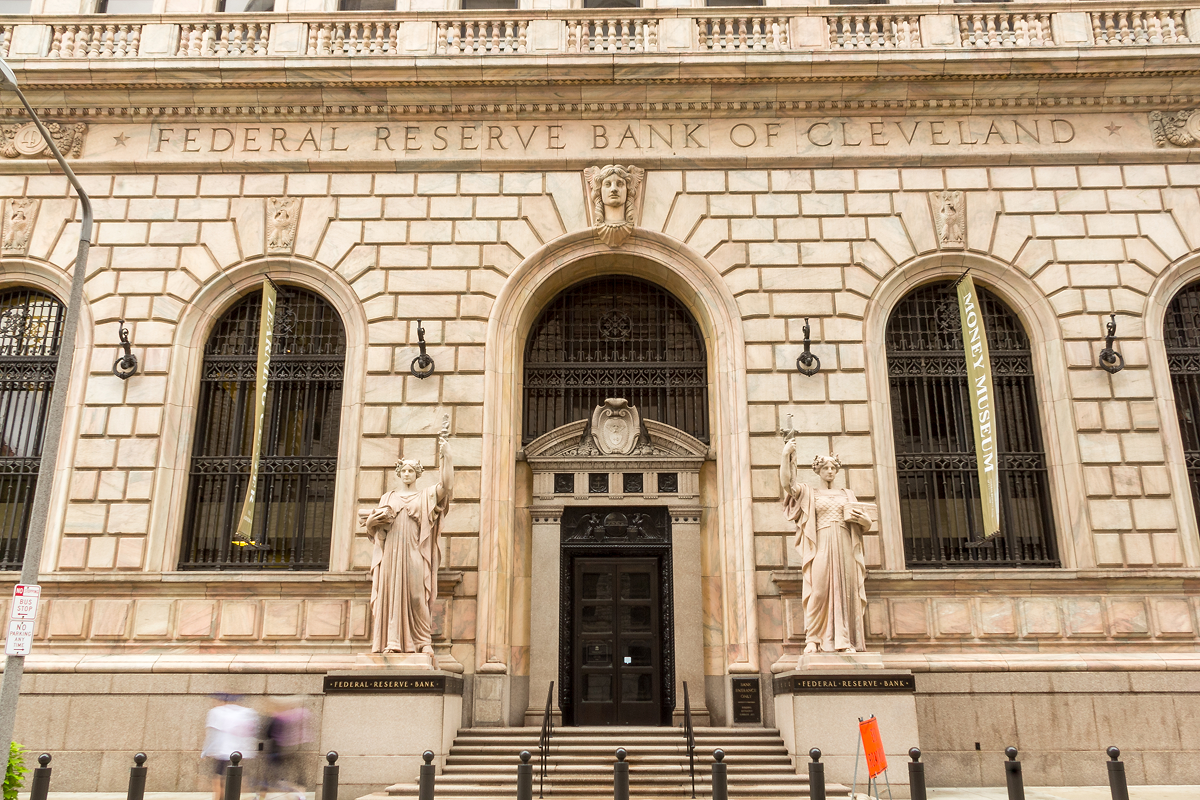
Federal Reserve Bank of Cleveland President Beth Hammack reiterated her preference for a slow and steady approach to interest-rate increases, even as inflation pressures continue to build. Her comments reinforce the view among some Fed officials that predictable monetary tightening can help manage inflation while allowing businesses and households more time to adjust to higher borrowing costs.
Hammack Favors Smaller Rate Moves
In an interview with Bloomberg TV on Monday, Hammack said she prefers moving interest rates in smaller increments, arguing that greater predictability provides businesses and households with more clarity when planning their finances.
Her position reflects a preference for a measured tightening process rather than a rapid series of large increases. By moving gradually, policymakers can assess how higher borrowing costs affect economic activity and inflation before determining whether additional restraint is necessary.
Inflation Remains a Key Policy Risk
Hammack acknowledged that she sees mounting inflation pressures, keeping the issue at the center of the Federal Reserve’s policy considerations. Persistent price pressures can require tighter monetary conditions, but an overly aggressive response could also create a sharper adjustment for the broader economy.
The Cleveland Fed president therefore emphasized the importance of maintaining flexibility. A gradual approach does not mean policymakers are committed to uniformly small moves under all circumstances, particularly if incoming data indicate that inflation is becoming more difficult to contain.
Fed Keeps Larger Moves in Reserve
Hammack explicitly left open the possibility of larger increases if the central bank falls behind the curve. She said that if policymakers determine that additional restriction is necessary, they can move in larger increments.
That conditional flexibility is important for financial markets because it signals that a gradual policy path is not necessarily permanent. The Fed can adjust the pace if inflation accelerates or economic conditions change materially, while avoiding an immediate shift toward more aggressive tightening.
What Investors Will Watch Next
Hammack’s comments point to a policy framework centered on predictability, gradual adjustment and data dependence. The balance between persistent inflation and the economic effects of higher rates will determine whether the Fed can continue with smaller increases or eventually needs to accelerate its response.
For investors, the next signals will come from inflation readings, labor-market conditions and evidence of how higher borrowing costs are affecting demand. If price pressures remain elevated, markets will need to assess whether the Fed’s preference for gradual tightening can continue or whether policymakers will increasingly consider larger rate moves.
Comparison, examination, and analysis between investment houses
Leave your details, and an expert from our team will get back to you as soon as possible
* This article, in whole or in part, does not contain any promise of investment returns, nor does it constitute professional advice to make investments in any particular field.
To read more about the full disclaimer, click here
- Lior mor
- •
- 8 Min Read
- •
- ago 5 hours
SKN | Fed Chair Kevin Warsh Faces Growing Pressure as Inflation Revives Rate-Hike Debate
Warsh Faces His First Major Policy Test Federal Reserve Chair Kevin Warsh is facing a significant challenge as inflationary pressures
- ago 5 hours
- •
- 8 Min Read
Warsh Faces His First Major Policy Test Federal Reserve Chair Kevin Warsh is facing a significant challenge as inflationary pressures

- sagi habasov
- •
- 8 Min Read
- •
- ago 1 day
SKN | AI Financing Costs Reach Their Highest Level Since 2009 as Technology Borrowers Face a More Selective Credit Market
The artificial intelligence investment cycle is entering a more demanding financing environment. As technology companies prepare to fund another
- ago 1 day
- •
- 8 Min Read

The artificial intelligence investment cycle is entering a more demanding financing environment. As technology companies prepare to fund another

- Ronny Mor
- •
- 8 Min Read
- •
- ago 1 day
SKN | US Budget Deficit Surges to $404 Billion in October as Defense Spending and Debt Interest Costs Increase
The United States has opened fiscal 2027 with a substantial deterioration in its budget balance, highlighting the growing challenge
- ago 1 day
- •
- 8 Min Read

The United States has opened fiscal 2027 with a substantial deterioration in its budget balance, highlighting the growing challenge
- Ronny Mor
- •
- 6 Min Read
- •
- ago 2 days
SKN | Fed’s Collins Backs Gradual Rate Hikes as Inflation and Growth Risks Remain Balanced
Federal Reserve Bank of Boston President Susan Collins said the U.S. central bank should continue raising interest rates at
- ago 2 days
- •
- 6 Min Read
Federal Reserve Bank of Boston President Susan Collins said the U.S. central bank should continue raising interest rates at
