




- Ronny Mor
- •
- 7 Min Read
- •
- 3 minutes ago


Key Points
- New export restrictions: The Trump administration introduced rules targeting China's access to advanced AI chips through overseas data centers, particularly in countries such as Malaysia and Thailand.
- Broader licensing requirements: Companies in Singapore, Thailand, Malaysia, Indonesia and Brazil will need US export licenses for advanced chips because of concerns about potential diversion to China.
- Geopolitical timing: The measures were announced as President Donald Trump prepared to meet Chinese President Xi Jinping in Shenzhen, adding technology trade restrictions to the broader US-China agenda.
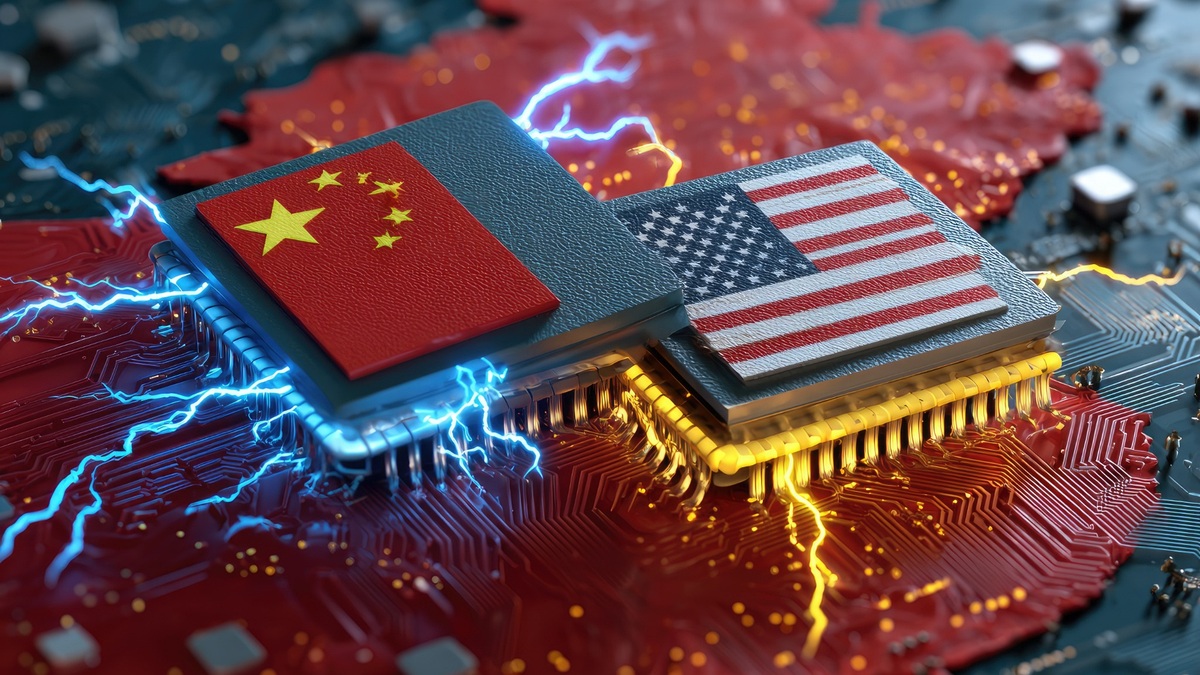
Washington Expands Controls on AI Chip Access
The Trump administration has introduced additional restrictions aimed at limiting China’s access to advanced artificial intelligence chips produced by companies such as Nvidia.
The new rule targets overseas data centers that Chinese companies use to access advanced computing hardware remotely. Facilities in countries including Malaysia and Thailand have become an important route through which Chinese AI developers can access restricted chips without directly importing them into China.
The Commerce Department said the measures are intended to prevent existing export restrictions from being circumvented through remote computing arrangements involving third-country data centers.
The move reflects growing US concerns that restrictions on physical chip shipments have not fully prevented Chinese companies from accessing advanced American technology.
Five Countries Face Additional Licensing Requirements
The new regulations require companies in Singapore, Thailand, Malaysia, Indonesia and Brazil to obtain US export licenses for advanced AI chips.
Washington identified these countries as presenting a higher-than-normal risk of restricted chips being illegally diverted to China.
The restrictions will not apply to systems used by online retailers and social media companies, which the Commerce Department said do not present the same national security concerns.
The rule also formally rescinds a Biden-era framework that had introduced licensing requirements governing global access to AI chips. Although the previous administration announced the framework in early 2025, the Commerce Department subsequently said it would not enforce the measure and planned to replace it.
The absence of replacement regulations allowed billions of dollars’ worth of restricted Nvidia chips to flow into data centers used by Chinese AI companies, according to the supplied report.
Enforcement Scrutiny Intensifies at Commerce Department
The latest action follows criticism of the Commerce Department over its handling of alleged Chinese access to restricted AI chips through smuggling networks and overseas data centers.
The department is under pressure to demonstrate stronger enforcement of US technology export controls, particularly following allegations that advanced Nvidia chips reached Chinese users despite existing restrictions.
The new rule was drafted by the Treasury Department and the National Security Council, which also directed its release, according to the Commerce Department.
Commerce Secretary Howard Lutnick is accompanying Trump on the China visit, signaling continued presidential support amid scrutiny of the department’s previous enforcement record.
Technology Restrictions Add Tension to US-China Relations
The timing of the announcement is significant as Trump prepares to meet Xi Jinping on Thursday in Shenzhen, where the APEC summit is taking place.
Technology restrictions remain a central issue in the relationship between the two economies. Advanced semiconductors are critical to the development and training of increasingly sophisticated AI models, making access to computing infrastructure an important strategic consideration.
By extending controls to overseas data centers and additional jurisdictions, Washington is attempting to close alternative routes through which Chinese companies could obtain access to restricted computing capacity.
What Investors Should Watch Next
The effectiveness of the new restrictions will depend on enforcement across international data center networks and the willingness of foreign companies to comply with US licensing requirements.
Investors will monitor the potential impact on Nvidia’s international sales, overseas data center operators and Chinese AI developers. The regulatory outlook will also depend on discussions between Trump and Xi, as technology access and semiconductor restrictions remain sensitive areas of bilateral relations.
The expansion of export controls signals that Washington is increasingly focused not only on where advanced chips are shipped, but also on how and where they are ultimately used.
Comparison, examination, and analysis between investment houses
Leave your details, and an expert from our team will get back to you as soon as possible
* This article, in whole or in part, does not contain any promise of investment returns, nor does it constitute professional advice to make investments in any particular field.
To read more about the full disclaimer, click here
- Ronny Mor
- •
- 8 Min Read
- •
- ago 2 hours
SKN | Europe Seeks Alternatives to Palantir as Militaries Prioritize Defence Technology Sovereignty
Europe Accelerates Efforts to Reduce US Technology Dependence European defence ministries are increasingly seeking alternatives to American military technology as
- ago 2 hours
- •
- 8 Min Read

Europe Accelerates Efforts to Reduce US Technology Dependence European defence ministries are increasingly seeking alternatives to American military technology as

- sagi habasov
- •
- 8 Min Read
- •
- ago 24 hours
SKN | AI Financing Costs Reach Their Highest Level Since 2009 as Technology Borrowers Face a More Selective Credit Market
The artificial intelligence investment cycle is entering a more demanding financing environment. As technology companies prepare to fund another
- ago 24 hours
- •
- 8 Min Read

The artificial intelligence investment cycle is entering a more demanding financing environment. As technology companies prepare to fund another

- Lior mor
- •
- 7 Min Read
- •
- ago 1 day
SKN | SpaceX Starship Achieves First Orbital Return to Landing Pad in Major Reusability Milestone
SpaceX has achieved a major milestone in its Starship program after the spacecraft’s upper stage returned from orbit and
- ago 1 day
- •
- 7 Min Read

SpaceX has achieved a major milestone in its Starship program after the spacecraft’s upper stage returned from orbit and

- Arik Arkadi Sluzki
- •
- 6 Min Read
- •
- ago 1 day
SKN | Bessent Calls for Outside CEO as Nvidia Faces Leadership and Governance Crisis
Nvidia is facing increasing pressure to overhaul its leadership following the abrupt departure of Jensen Huang, with U.S. Treasury
- ago 1 day
- •
- 6 Min Read
Nvidia is facing increasing pressure to overhaul its leadership following the abrupt departure of Jensen Huang, with U.S. Treasury
