




- Ronny Mor
- •
- 8 Min Read
- •
- 7 minutes ago


Key Points
- European alternatives gain momentum: Germany, France and the Netherlands are pursuing European-developed military software to reduce dependence on US technology providers, particularly Palantir.
- National platforms advance: France aims to deploy its sovereign AI-enabled Arcadia system by mid-2027, while Germany is evaluating a shortlist of domestic and European alternatives for military data integration.
- Capability gap remains: European suppliers offer potential alternatives, but officials acknowledge that no regional platform currently matches Palantir's scale, operational experience and deployment capabilities.
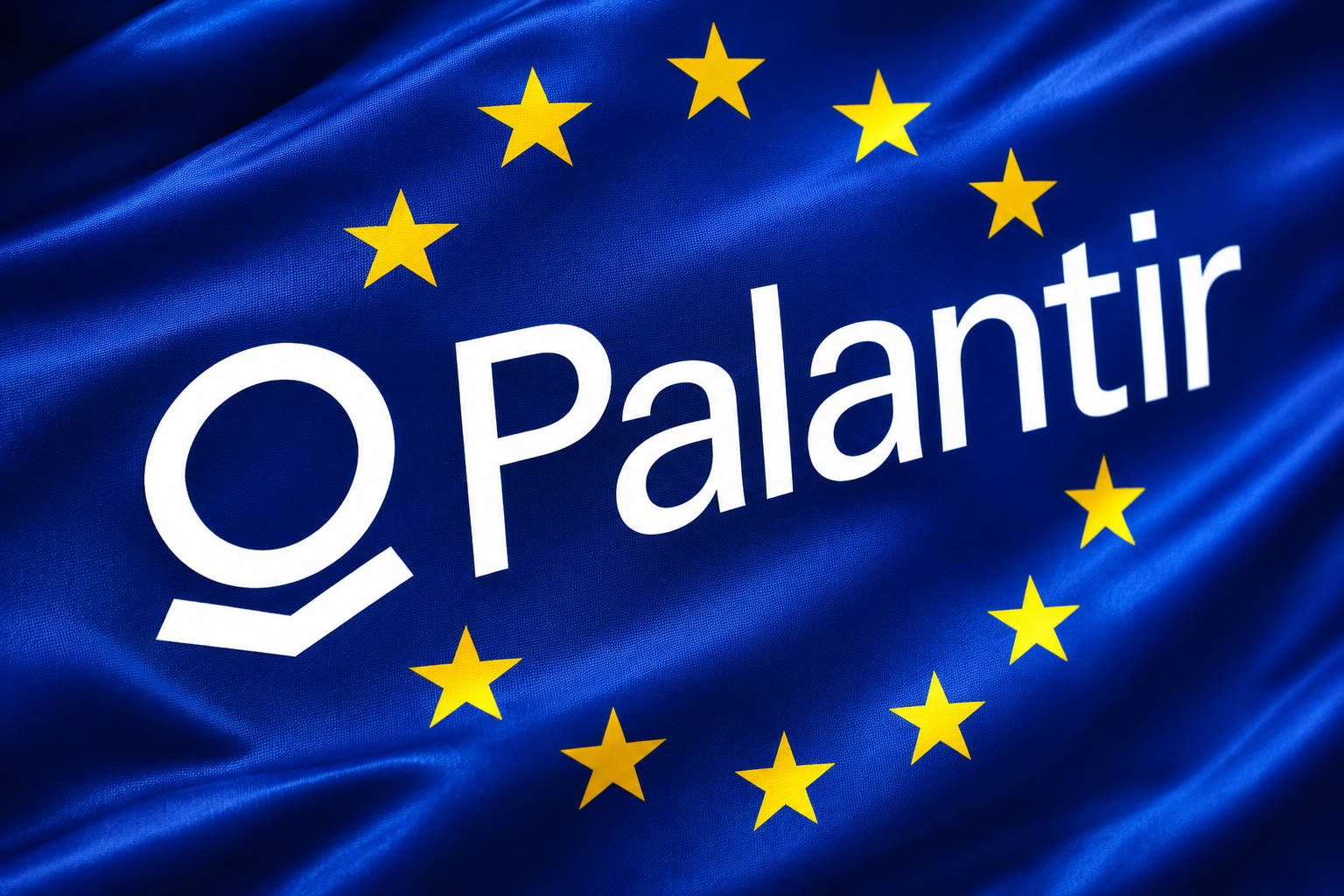
Europe Accelerates Efforts to Reduce US Technology Dependence
European defence ministries are increasingly seeking alternatives to American military technology as governments prioritize strategic autonomy and greater control over sensitive defence infrastructure.
Palantir Technologies has become a central part of this debate because its software is widely used for military intelligence, data integration and operational decision-making. However, concerns about long-term dependence on US suppliers are encouraging European companies to compete for contracts.
The latest development came from Germany’s Helsing, which introduced Clarity, an artificial intelligence-powered military intelligence platform designed to process large volumes of battlefield data, identify potential threats and support operational decisions.
Despite growing competition, European officials acknowledge that the region does not yet have a direct equivalent to Palantir in terms of scale, deployment footprint and operational experience. Defence ministries must therefore balance technological maturity against the strategic advantages of developing sovereign systems.
France and Germany Advance Domestic Solutions
France is developing Arcadia, a sovereign AI-enabled military platform intended to incorporate multiple technology suppliers. The country’s defence procurement agency plans to award at least some contracts by the end of 2026, with an operational version targeted for field deployment by mid-2027.
Germany is also preparing to introduce an AI-based military data integration platform from next year. The country has narrowed its assessment to a shortlist of domestic and European solutions that does not include Palantir, according to a person familiar with the matter.
Although the shortlisted platforms are not expected to match Palantir’s full capabilities, they are considered potentially sufficient to meet approximately 80% of requirements within a year while maintaining national data sovereignty.
The Netherlands is pursuing a similar strategy. Although its military currently uses some Palantir software, the government wants a European alternative within two years. Defence procurement officials are evaluating potential suppliers, with a likely combination of Dutch and other European providers.
Palantir Retains a Significant Operational Advantage
Palantir’s Maven Smart System has established a substantial presence in military operations. The platform has been widely used by Ukraine in its war against Russia, while the Pentagon has adopted it as a core military software system and used it during the conflict with Iran.
NATO’s military headquarters adopted the platform last year and declared it ready for routine alliance-wide operational use in June.
Its capabilities have made it difficult for European alternatives to compete immediately. NATO’s senior military leadership has previously highlighted the platform’s ability to integrate diverse data sources and provide flexible analytical capabilities.
However, the growing debate over strategic dependence has prompted questions about data security, control over AI training and the ability of different military systems to operate together.
Interoperability Remains a Critical Challenge
European defence officials face a complex technological challenge beyond simply replacing Palantir. Military operations frequently involve cooperation between allied forces, making interoperability essential.
Germany’s military leadership has emphasized that systems must function effectively across international alliances. Fragmentation among European AI developers remains a major obstacle, despite the region’s existing technological expertise.
Potential competitors include Denmark’s Systematic, whose SitaWare software is already used by the German military and parts of NATO. France’s Thales and Safran, alongside startups such as Comand AI, are also part of Europe’s broader defence technology landscape.
Meanwhile, Palantir continues to defend its position in the region. The company has sought to reassure European governments that its NATO military AI system does not have a remote shutdown capability. It also continues to promote its battlefield-tested software to countries including Germany and the United Kingdom.
What Investors Should Watch Next
The next phase of competition will depend on government procurement decisions, deployment timelines and the ability of European developers to demonstrate operational reliability. France’s Arcadia program, Germany’s upcoming platform selection and the Netherlands’ search for alternatives will provide important indicators of demand.
For the defence technology sector, the shift creates opportunities for European software developers and established defence contractors. However, closing the capability gap with Palantir will require investment, coordination and successful integration across allied military systems.
The broader strategic direction is increasingly clear: European governments want greater technological independence, but they must achieve it without compromising operational effectiveness or NATO interoperability.
Comparison, examination, and analysis between investment houses
Leave your details, and an expert from our team will get back to you as soon as possible
* This article, in whole or in part, does not contain any promise of investment returns, nor does it constitute professional advice to make investments in any particular field.
To read more about the full disclaimer, click here
- sagi habasov
- •
- 8 Min Read
- •
- ago 22 hours
SKN | AI Financing Costs Reach Their Highest Level Since 2009 as Technology Borrowers Face a More Selective Credit Market
The artificial intelligence investment cycle is entering a more demanding financing environment. As technology companies prepare to fund another
- ago 22 hours
- •
- 8 Min Read
The artificial intelligence investment cycle is entering a more demanding financing environment. As technology companies prepare to fund another

- Lior mor
- •
- 7 Min Read
- •
- ago 23 hours
SKN | SpaceX Starship Achieves First Orbital Return to Landing Pad in Major Reusability Milestone
SpaceX has achieved a major milestone in its Starship program after the spacecraft’s upper stage returned from orbit and
- ago 23 hours
- •
- 7 Min Read
SpaceX has achieved a major milestone in its Starship program after the spacecraft’s upper stage returned from orbit and

- Arik Arkadi Sluzki
- •
- 6 Min Read
- •
- ago 23 hours
SKN | Bessent Calls for Outside CEO as Nvidia Faces Leadership and Governance Crisis
Nvidia is facing increasing pressure to overhaul its leadership following the abrupt departure of Jensen Huang, with U.S. Treasury
- ago 23 hours
- •
- 6 Min Read
Nvidia is facing increasing pressure to overhaul its leadership following the abrupt departure of Jensen Huang, with U.S. Treasury
- Lior mor
- •
- 8 Min Read
- •
- ago 2 days
SKN | Anthropic IPO Draws Sixfold Investor Demand as AI Giant Targets a $1.4 Trillion Valuation
Anthropic's planned stock market debut is attracting extraordinary investor interest, positioning the creator of Claude among the most closely
- ago 2 days
- •
- 8 Min Read

Anthropic's planned stock market debut is attracting extraordinary investor interest, positioning the creator of Claude among the most closely
