




- Lior mor
- •
- 8 Min Read
- •
- 4 minutes ago


Key Points
- Inflation strengthens the case for tightening: Persistent price pressures, strong economic growth and a resilient labor market are increasing expectations that the Federal Reserve may need further interest rate increases.
- Political pressure returns: Treasury Secretary Scott Bessent has argued against aggressive rate increases to counter energy-driven inflation, reflecting the Trump administration's preference for a more accommodative monetary policy.
- Market confidence comes under pressure: Rising Treasury yields, increased bond market volatility and growing expectations of additional tightening are intensifying scrutiny of Warsh's policy decisions and the Fed's independence.
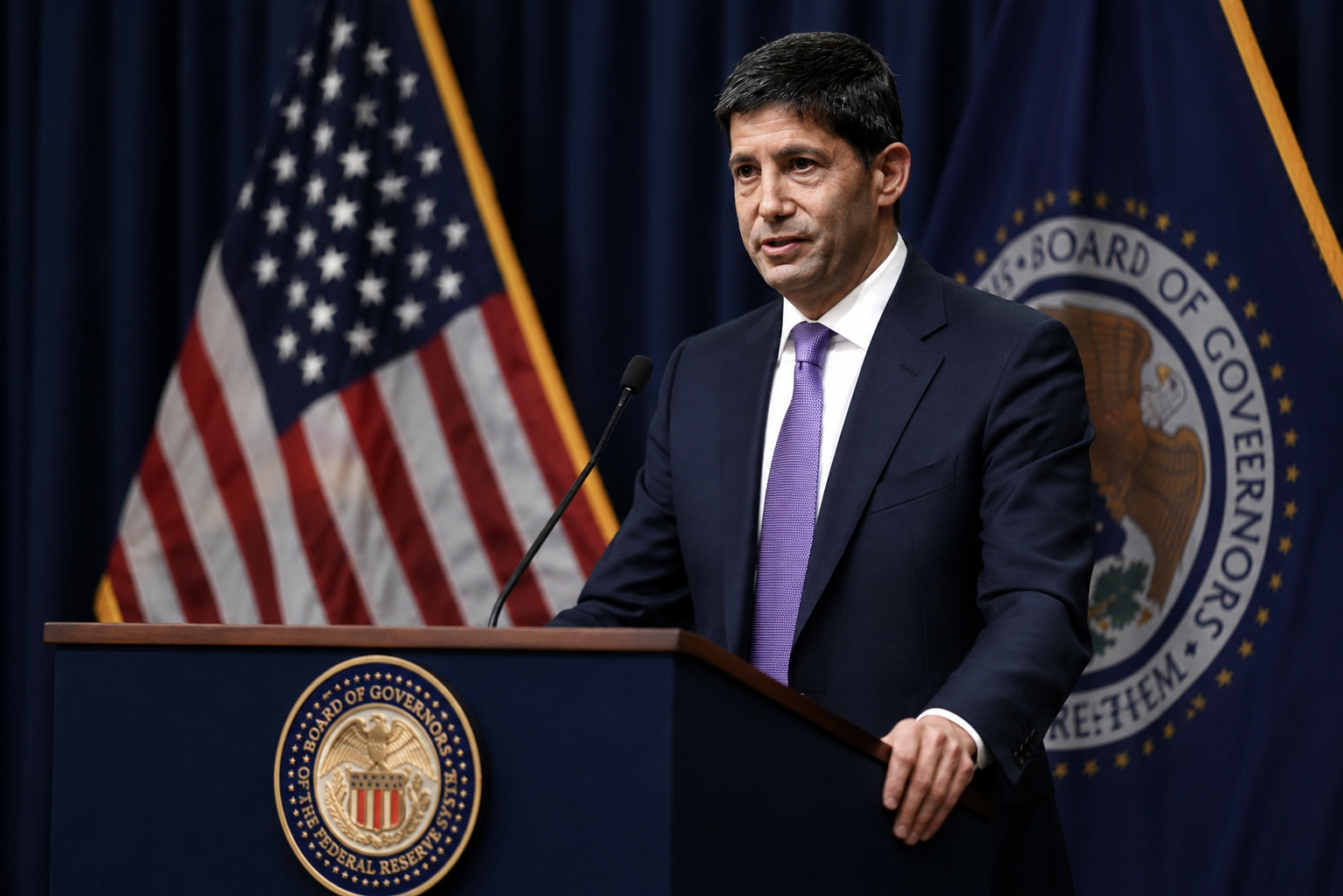
Warsh Faces His First Major Policy Test
Federal Reserve Chair Kevin Warsh is facing a significant challenge as inflationary pressures strengthen the economic case for higher interest rates while political pressure for a more accommodative policy returns.
Since replacing Jerome Powell on May 22, Warsh has overseen only one rate increase, a 25-basis-point adjustment in September. However, economic indicators have increasingly pointed toward the need for tighter monetary conditions.
Inflation remains elevated, partly reflecting higher energy prices associated with the Iran war. Meanwhile, the US economy has demonstrated resilience. Unemployment stood at 4.1% in October, while annualized third-quarter GDP growth accelerated to 3.4%.
The combination of persistent inflation, strong corporate earnings and continued economic activity has raised questions about whether the Federal Reserve is responding aggressively enough to bring inflation back toward its 2% target.
Communication and Independence Concerns
Warsh’s policy approach has also faced criticism because of uncertainty surrounding his public messaging. His comments about the inflation target and explanations for the Fed’s decision not to raise rates have contributed to doubts about the central bank’s policy direction.
Concerns about Federal Reserve independence have added another layer of uncertainty. President Donald Trump has repeatedly advocated lower interest rates, while the administration’s inquiry into Governor Lisa Cook and the previous criminal investigation involving Powell have intensified scrutiny of political influence over monetary policy.
Financial markets have responded with higher Treasury yields, increased volatility and rising risk premiums, reflecting uncertainty about the Fed’s commitment to controlling inflation.
Bessent Reinforces White House Opposition to Aggressive Hikes
Treasury Secretary Scott Bessent recently argued that the Federal Reserve should not significantly increase interest rates to counter inflation caused by the energy shock associated with the Iran war.
Bessent maintained that policymakers should consider the future direction of energy prices rather than react to previous increases, particularly as oil prices have begun to decline.
However, the inflation outlook remains challenging. Despite oil prices falling approximately 20% over the past month, broader inflationary pressures have persisted. The latest consumer price data showed inflation exceeding expectations for a third consecutive month, with higher energy costs filtering into core goods and services.
President Trump has consistently favored lower borrowing costs and previously indicated that Warsh would have some flexibility while the Iran conflict continued. Bessent’s latest comments may therefore signal renewed pressure from the administration as the Fed approaches its December meeting.
Bond Markets Reflect a More Hawkish Outlook
Expectations for additional monetary tightening have shifted rapidly. A potential 50-basis-point increase at the next meeting has entered market discussions, while futures pricing reflects another 45 basis points of tightening by the end of next year.
The 10-year US Treasury yield has moved above 5%, while the two-year yield climbed 35 basis points last week, marking one of its largest weekly increases in decades.
These developments have intensified questions about the Federal Reserve’s decision to hold rates steady in October, shortly before the US midterm elections. Although Warsh has denied that political considerations influenced the decision, investors remain uncertain about the central bank’s reaction function.
What Investors Should Watch Next
The December 8–9 Federal Reserve meeting will be a critical test of Warsh’s leadership. Inflation data, employment conditions and the trajectory of energy prices will help determine whether policymakers pursue another quarter-point increase or consider a larger adjustment.
Communication from Fed officials will also remain important. Despite Warsh’s preference for less forward guidance, policymakers delivered numerous public appearances last week, with further speeches and the minutes of the previous meeting scheduled this week.
For investors, the central question is whether the Federal Reserve will prioritize restoring price stability despite political pressure for lower rates. The credibility of its inflation commitment, the independence of its decisions and the direction of Treasury yields will remain central to market sentiment.
Comparison, examination, and analysis between investment houses
Leave your details, and an expert from our team will get back to you as soon as possible
* This article, in whole or in part, does not contain any promise of investment returns, nor does it constitute professional advice to make investments in any particular field.
To read more about the full disclaimer, click here
- sagi habasov
- •
- 8 Min Read
- •
- ago 21 hours
SKN | AI Financing Costs Reach Their Highest Level Since 2009 as Technology Borrowers Face a More Selective Credit Market
The artificial intelligence investment cycle is entering a more demanding financing environment. As technology companies prepare to fund another
- ago 21 hours
- •
- 8 Min Read

The artificial intelligence investment cycle is entering a more demanding financing environment. As technology companies prepare to fund another

- Ronny Mor
- •
- 8 Min Read
- •
- ago 21 hours
SKN | US Budget Deficit Surges to $404 Billion in October as Defense Spending and Debt Interest Costs Increase
The United States has opened fiscal 2027 with a substantial deterioration in its budget balance, highlighting the growing challenge
- ago 21 hours
- •
- 8 Min Read
The United States has opened fiscal 2027 with a substantial deterioration in its budget balance, highlighting the growing challenge
- Ronny Mor
- •
- 6 Min Read
- •
- ago 2 days
SKN | Fed’s Collins Backs Gradual Rate Hikes as Inflation and Growth Risks Remain Balanced
Federal Reserve Bank of Boston President Susan Collins said the U.S. central bank should continue raising interest rates at
- ago 2 days
- •
- 6 Min Read
Federal Reserve Bank of Boston President Susan Collins said the U.S. central bank should continue raising interest rates at
- Ronny Mor
- •
- 6 Min Read
- •
- ago 3 days
SKN | Dollar Heads for Strongest Week in Two Months as Yen Nears 160
The U.S. dollar is heading toward its strongest weekly performance in two months as investors increase expectations for Federal
- ago 3 days
- •
- 6 Min Read

The U.S. dollar is heading toward its strongest weekly performance in two months as investors increase expectations for Federal
