




- Ronny Mor
- •
- 6 Min Read
- •
- 5 minutes ago


Key Points
- The dollar is on track for its strongest weekly gain in two months as stronger U.S. inflation and hawkish Fed commentary lift rate expectations.
- Two-year Treasury yields have risen about 34 basis points this week to around 4.87%, their largest weekly increase since April 2025.
- The yen has weakened toward 160 per dollar, raising concerns about potential Japanese government intervention in currency markets.
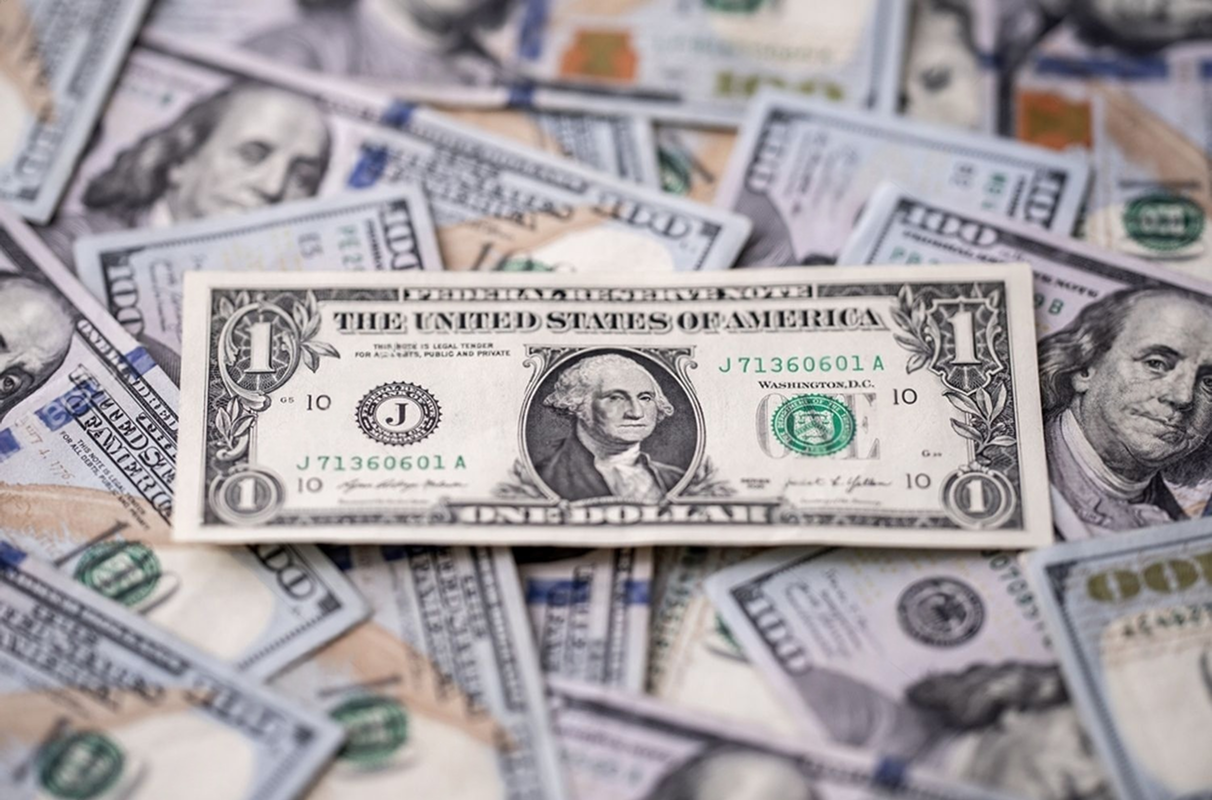
The U.S. dollar is heading toward its strongest weekly performance in two months as investors increase expectations for Federal Reserve tightening following stronger-than-expected inflation data and hawkish comments from policymakers. Rising U.S. Treasury yields have supported the greenback, while the yen’s approach toward 160 per dollar has placed renewed attention on Japan’s response to currency volatility.
Rate Expectations Strengthen the Dollar
The dollar index rose 0.15% to 103.37, remaining near its highest level since April 2025 and heading for a third consecutive weekly gain. Traders are pricing roughly a 90% probability of a 25-basis-point Federal Reserve rate increase next month, according to the CME FedWatch tool.
The shift in expectations has been reinforced by stronger U.S. inflation data and a series of hawkish comments from Federal Reserve officials, including New York Fed President John Williams and Governor Christopher Waller. The combination has increased the market’s focus on whether policymakers could adopt a larger-than-usual rate increase.
U.S. Treasury Yields Reinforce Currency Support
Two-year Treasury yields have risen approximately 34 basis points this week to 4.87%, putting them on track for their largest weekly increase since April 2025. Higher short-term yields can strengthen the dollar by increasing the relative return available from U.S. fixed-income assets compared with other major markets.
The euro fell 0.26% to $1.103 after reaching its lowest level against the dollar since April 2025 and was headed for a fourth consecutive weekly decline. The dollar also gained 0.47% against the Swiss franc to 0.839, putting the currency on course to end two consecutive weeks of losses against the franc.
Yen Nears 160 as Intervention Concerns Return
The yen remained around 159.70 per dollar, close to its weakest level since early September. The currency has weakened about 1% this week, its largest weekly decline since September, bringing renewed attention to the possibility of Japanese authorities intervening to limit excessive volatility.
Japanese Finance Minister Satsuki Katayama said on Friday that the government would respond appropriately to currency volatility. The comments underscore the sensitivity surrounding the yen as markets assess the widening gap between U.S. and Japanese interest-rate expectations.
Commodity and Emerging Currencies Face Pressure
Other major currencies also weakened against the dollar. The Australian dollar fell 0.52% to $0.6773 and remained the worst-performing G10 currency against the greenback so far this month. The New Zealand dollar declined 0.41% to $0.5525 and was heading for its third consecutive weekly loss.
Cryptocurrencies also came under pressure, with bitcoin falling 4.22% to $68,467.26 and ethereum declining 4.02% to $1,934.86. The broad moves reflect the influence of higher U.S. yields and changing expectations for monetary policy across global financial markets.
Going forward, the direction of the dollar will depend heavily on incoming U.S. inflation and employment data, as well as further signals from Federal Reserve officials. The yen’s proximity to 160 per dollar will also remain a key currency-market focus, particularly if Japanese authorities intensify their warnings about excessive volatility. For global investors, the interaction between U.S. rate expectations, Treasury yields and currency intervention risks will remain central to the outlook for foreign-exchange markets.
Comparison, examination, and analysis between investment houses
Leave your details, and an expert from our team will get back to you as soon as possible
* This article, in whole or in part, does not contain any promise of investment returns, nor does it constitute professional advice to make investments in any particular field.
To read more about the full disclaimer, click here
- sagi habasov
- •
- 7 Min Read
- •
- ago 5 minutes
SKN | Fed’s Warsh Weighs AI’s Impact as U.S. Grows Wary of the Technology Boom
The Federal Reserve is taking a closer look at the economic consequences of artificial intelligence as the technology’s rapid
- ago 5 minutes
- •
- 7 Min Read
The Federal Reserve is taking a closer look at the economic consequences of artificial intelligence as the technology’s rapid
- sagi habasov
- •
- 7 Min Read
- •
- ago 7 minutes
SKN | U.S. Bank Overdraft Fees Reach Four-Year High as Consumer Credit Risks Emerge
U.S. banks collected $1.6 billion in overdraft fees in the third quarter, marking the highest quarterly amount in four
- ago 7 minutes
- •
- 7 Min Read

U.S. banks collected $1.6 billion in overdraft fees in the third quarter, marking the highest quarterly amount in four

- Ronny Mor
- •
- 8 Min Read
- •
- ago 1 hour
SKN | US Layoff Announcements Fall 71% in October, but Economic Pressures Remain a Concern
U.S. employers announced substantially fewer job cuts in October, offering evidence that the pace of corporate workforce reductions has
- ago 1 hour
- •
- 8 Min Read

U.S. employers announced substantially fewer job cuts in October, offering evidence that the pace of corporate workforce reductions has

- Lior mor
- •
- 9 Min Read
- •
- ago 1 hour
SKN | US Credit Stress Deepens as CCC-Rated Bond Spreads Reach Their Highest Levels Since 2020
Stress is becoming increasingly visible in the weakest segment of the U.S. corporate bond market, where investors are demanding
- ago 1 hour
- •
- 9 Min Read

Stress is becoming increasingly visible in the weakest segment of the U.S. corporate bond market, where investors are demanding
