




- sagi habasov
- •
- 6 Min Read
- •
- 3 minutes ago


Key Points
- U.S. equities advanced on Wednesday, November 11, with the Nasdaq Composite climbing 1.60% and the S&P 500 gaining 1.31% as CoreWeave’s strong quarterly results revived semiconductor sentiment.
- Nvidia Corp. reversed its 2.87% regular-session gain to plunge nearly 9% in extended trading following reports that its board of directors is preparing to remove Chief Executive Jensen Huang.
- For international allocators and Israeli tech desks, the divergence highlights an acute tension between resilient enterprise AI demand and severe single-company governance risk.
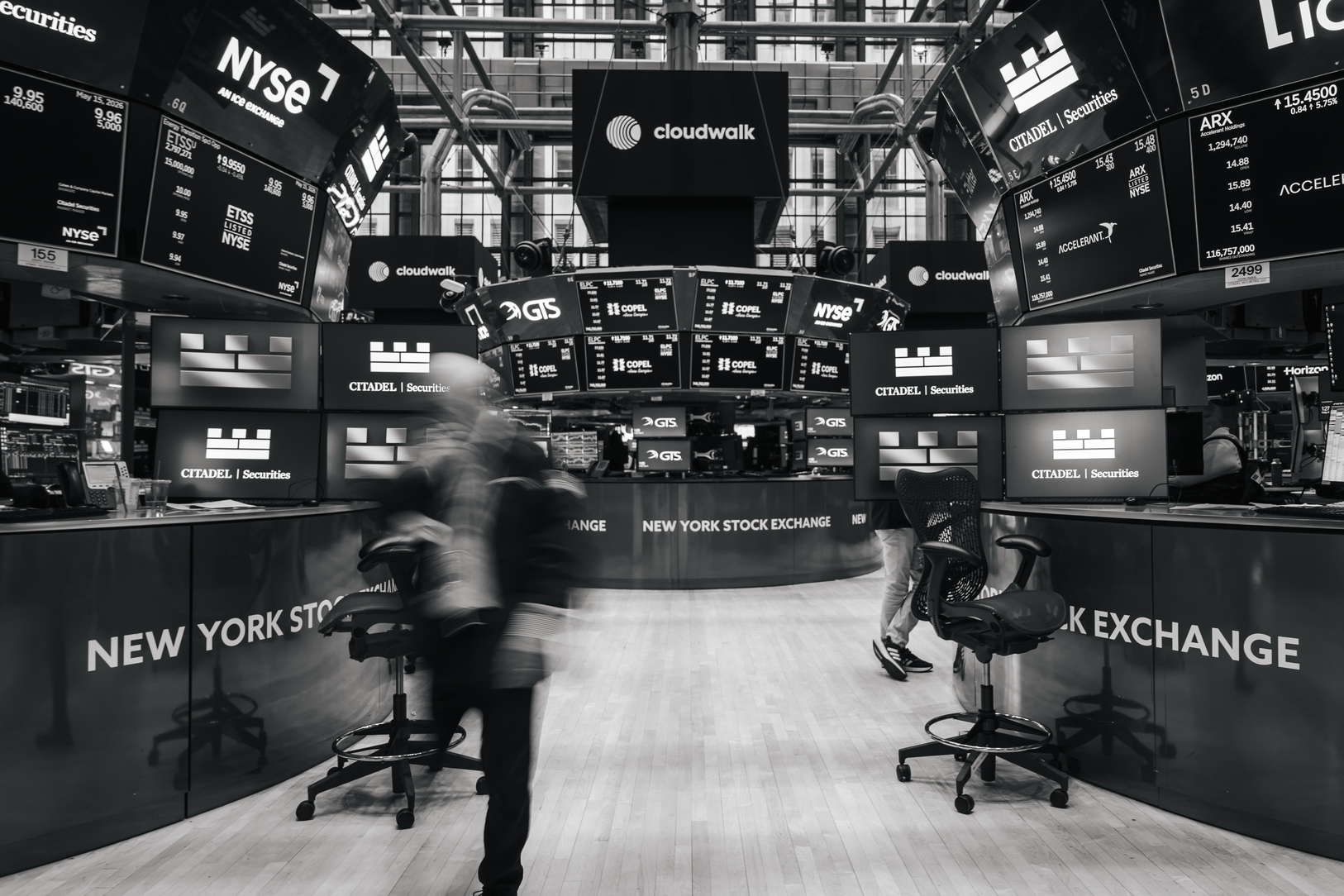
U.S. equity benchmarks rallied on Wednesday, November 11, 2026, led by a sharp rebound in semiconductor shares after CoreWeave delivered stronger-than-expected quarterly results and raised full-year guidance. However, sentiment shifted abruptly after the closing bell when Nvidia Corp. plunged nearly 9% in extended trading following reports that its board of directors is preparing to remove co-founder and Chief Executive Jensen Huang.
Cloud Infrastructure Beat Sparks Broad Regular-Session Tech Rally
During regular trading hours, institutional buyers rotated aggressively back into artificial intelligence infrastructure stocks following last week’s post-election sell-off. CoreWeave soared 24.71% after reporting third-quarter revenue of $3.7 billion—more than double the $1.4 billion recorded a year earlier—and raising its annual outlook, alleviating near-term fears of slowing data-center capital expenditure. Bolstered by reports of strong institutional subscription demand for Anthropic’s upcoming public listing, the Philadelphia Semiconductor Index surged over 5%, lifting the Nasdaq Composite 1.60% to 25,466.19, the S&P 500 1.31% to 7,619.38, and the Dow Jones Industrial Average 0.49% to 52,486.49.
Nvidia participated in the regular-session advance, rising 2.87% to close at $173.73 after snapping a two-day losing streak. Yet that recovery evaporated post-close after reports from The Wall Street Journal and The New York Times revealed that Nvidia’s board convened an emergency meeting to weigh Huang’s departure. The deliberations follow allegations of an undisclosed workplace relationship with a company vice president, compounding ongoing national security inquiries into his external contacts. Shares tumbled roughly 9% in extended trading toward the $156–$158 range, dragging S&P 500 futures lower.
Governance Shock vs. Fundamental Demand for Israeli Allocators
The after-hours reversal underscores a critical structural distinction for global asset allocators: underlying enterprise artificial intelligence demand remains robust, but key-man governance concentration at Nvidia has introduced acute idiosyncratic volatility. While Nvidia shares have now retreated roughly 30% from their October 6 record closing high, rival chip designers and custom silicon providers saw immediate secondary support as investors priced in potential market-share redistribution.
For Israeli institutional pension managers and technology allocators on the Tel Aviv Stock Exchange (TASE), the turbulence carries direct operational relevance. Nvidia maintains its largest international research and development presence in Israel, anchored by Mellanox’s high-speed networking division and domestic supercomputing projects. With the New Israeli Shekel (NIS) trading steadily near 3.14 per dollar, local institutional desks are managing single-stock semiconductor exposure by balancing holdings across diversified cloud infrastructure providers, domestic cybersecurity leaders, and high-yielding government debt (Shahar) to buffer portfolios against extended-hours equity swings.
Outlook: Board Resolutions, Index Futures, and Q3 Earnings Scrutiny
Moving into Thursday’s trading session, global market participants will await formal regulatory disclosures detailing the outcome of Nvidia’s board deliberations and potential interim leadership arrangements. Key indicators to monitor include opening price action across Nasdaq 100 futures, institutional analyst revisions ahead of Nvidia’s November 17 third-quarter earnings release, and whether broader semiconductor peers can decouple from single-company governance turmoil. If enterprise cloud demand continues to validate infrastructure spending, the broader technology sector may sustain its recovery; however, a disorderly executive transition at Nvidia would test index-level resilience through year-end.
Comparison, examination, and analysis between investment houses
Leave your details, and an expert from our team will get back to you as soon as possible
* This article, in whole or in part, does not contain any promise of investment returns, nor does it constitute professional advice to make investments in any particular field.
To read more about the full disclaimer, click here
- Lior mor
- •
- 8 Min Read
- •
- ago 4 hours
SKN | Tesla Extends Cybertruck Production Through Summer 2027 to Address Order Backlog
Tesla has extended the planned production period for its Cybertruck electric pickup, with Chief Executive Elon Musk announcing that
- ago 4 hours
- •
- 8 Min Read

Tesla has extended the planned production period for its Cybertruck electric pickup, with Chief Executive Elon Musk announcing that

- Ronny Mor
- •
- 8 Min Read
- •
- ago 4 hours
SKN | Semiconductor Volatility Surges as AI Spending Uncertainty Raises Market Risk
The semiconductor sector is experiencing a significant increase in market volatility as investors reassess the financial and strategic implications
- ago 4 hours
- •
- 8 Min Read
The semiconductor sector is experiencing a significant increase in market volatility as investors reassess the financial and strategic implications

- orshu
- •
- 7 Min Read
- •
- ago 5 hours
SKN | Why Are Foreign Investors Pulling Nearly $50 Billion From Asian Equities?
Foreign investors sharply reduced exposure to Asian equities in October as concerns over the scale of artificial intelligence infrastructure
- ago 5 hours
- •
- 7 Min Read

Foreign investors sharply reduced exposure to Asian equities in October as concerns over the scale of artificial intelligence infrastructure

- Arik Arkadi Sluzki
- •
- 7 Min Read
- •
- ago 5 hours
SKN | United Airlines Moves to Restrict AI Agents as Security and Regulatory Risks Grow
United Airlines is moving to restrict AI agents from accessing its digital platforms, highlighting growing tensions between the rapid
- ago 5 hours
- •
- 7 Min Read

United Airlines is moving to restrict AI agents from accessing its digital platforms, highlighting growing tensions between the rapid
