




- orshu
- •
- 7 Min Read
- •
- 12 minutes ago


Key Points
- Foreign investors withdrew $49.77 billion from seven Asian equity markets in October, the largest monthly outflow since June, according to LSEG.
- Taiwan and South Korea accounted for most of the selling as concerns over AI infrastructure spending, cash burn and regulation pressured technology-linked stocks.
- Foreign selling continued into November, although India has attracted $5.68 billion so far this month, highlighting differences in regional market fundamentals.
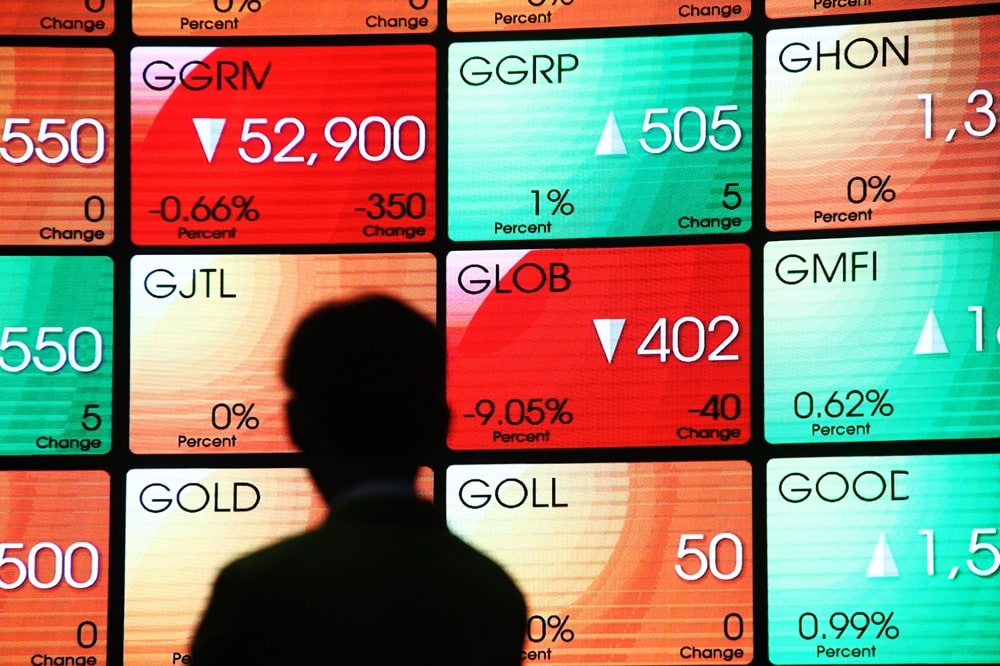
Foreign investors sharply reduced exposure to Asian equities in October as concerns over the scale of artificial intelligence infrastructure spending, hyperscalers’ cash burn and potential regulatory restrictions weighed on technology-linked markets. According to LSEG data reported by Reuters, investors withdrew a net $49.77 billion from equities across South Korea, Taiwan, India, Indonesia, Thailand, Vietnam and the Philippines.
Technology Markets Bear the Brunt of the Outflows
The scale of the withdrawal reflects a broader reassessment of the AI investment cycle. Foreign investors sold a net $30.68 billion of Taiwanese equities in October, the largest monthly outflow from the market since at least January 2008. South Korea recorded another $14.59 billion of net foreign selling, leaving the two markets responsible for the overwhelming majority of the regional outflows.
The pressure was particularly significant because Taiwan and South Korea are closely linked to the global semiconductor and technology supply chain. Concerns that the enormous capital requirements of AI infrastructure may take longer to generate adequate returns have therefore become increasingly relevant for markets whose valuations and earnings expectations are closely connected to technology demand.
Regulatory Risk Adds Another Layer of Uncertainty
Investor concerns were not limited to corporate spending. Ahead of the U.S. midterm elections, expectations of tighter environmental reviews and potential AI-related regulation raised questions about the pace of new data-center construction and future demand for advanced chips. Democratic victories in several states where opposition to new data centers has grown kept those concerns in focus after the elections.
The broader regional performance reinforced the shift in capital. The MSCI Asia Pacific ex-Japan index fell 6.91% in October, compared with a 1.69% decline in the MSCI All Country World Index. The relative weakness may have encouraged international investors to reduce Asian exposure in favor of developed-market equities, particularly as U.S. stocks demonstrated greater resilience during the month.
Capital Rotation Extends Into November
The selling has not yet fully reversed. Foreign investors have withdrawn a further $22.6 billion from the seven Asian markets so far in November, including $19.76 billion from Taiwan and $8.32 billion from South Korea. The continued outflows suggest that concerns over AI spending, profitability and regulatory uncertainty remain influential in international portfolio allocation decisions.
However, the regional picture is not uniform. India recorded a second consecutive monthly foreign outflow in October, totaling $3.6 billion, but attracted $5.68 billion of net foreign investment in November so far. HSBC has upgraded Indian equities to overweight, citing resilient earnings and more reasonable valuations. Indonesia and Thailand also experienced October outflows, while Vietnam and the Philippines recorded modest inflows.
AI Spending and Global Capital Allocation Remain in Focus
The October withdrawals indicate that international investors are becoming more selective about the companies and markets most exposed to the AI capital cycle. U.S. assets may also be benefiting from relative performance, while the rise in the 10-year U.S. Treasury yield to 5.3% in early October provided another potential destination for global capital.
Going forward, investors will be watching AI infrastructure spending, hyperscaler cash generation, semiconductor demand and regulatory developments for signs of whether the October outflows represent a temporary repositioning or a more persistent shift in regional allocations. The divergence between markets such as Taiwan and South Korea and more resilient destinations such as India could become increasingly important as global investors reassess valuations, earnings visibility and the long-term economics of the AI investment cycle.
Comparison, examination, and analysis between investment houses
Leave your details, and an expert from our team will get back to you as soon as possible
* This article, in whole or in part, does not contain any promise of investment returns, nor does it constitute professional advice to make investments in any particular field.
To read more about the full disclaimer, click here
- Arik Arkadi Sluzki
- •
- 7 Min Read
- •
- ago 12 minutes
SKN | United Airlines Moves to Restrict AI Agents as Security and Regulatory Risks Grow
United Airlines is moving to restrict AI agents from accessing its digital platforms, highlighting growing tensions between the rapid
- ago 12 minutes
- •
- 7 Min Read
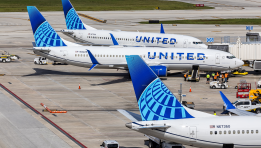
United Airlines is moving to restrict AI agents from accessing its digital platforms, highlighting growing tensions between the rapid

- sagi habasov
- •
- 7 Min Read
- •
- ago 17 minutes
SKN | Alphabet Eyes $3 Billion Hong Kong and Singapore Bond Sale to Fund AI Expansion
Alphabet is preparing to test Asian debt markets with potential bond offerings denominated in Hong Kong and Singapore dollars,
- ago 17 minutes
- •
- 7 Min Read

Alphabet is preparing to test Asian debt markets with potential bond offerings denominated in Hong Kong and Singapore dollars,

- Ronny Mor
- •
- 6 Min Read
- •
- ago 6 hours
SKN | Chinese University Obtains Nvidia H200 Chips Despite US Export Blacklist
Chinese University Acquires Restricted Nvidia Chips Northwestern Polytechnical University, a Chinese institution with extensive ties to the country's military research
- ago 6 hours
- •
- 6 Min Read
Chinese University Acquires Restricted Nvidia Chips Northwestern Polytechnical University, a Chinese institution with extensive ties to the country's military research

- Lior mor
- •
- 5 Min Read
- •
- ago 14 hours
Finland Approves Tesla’s Assisted Driving System for Use on Local Roads
Finland Clears Tesla's Assisted Driving System Tesla has received regulatory clearance to offer its Assisted Driving system in Finland, marking
- ago 14 hours
- •
- 5 Min Read

Finland Clears Tesla's Assisted Driving System Tesla has received regulatory clearance to offer its Assisted Driving system in Finland, marking
