




- Lior mor
- •
- 8 Min Read
- •
- 1 minute ago


Key Points
- Elon Musk says Tesla will continue Cybertruck production through the end of summer 2027, extending the previously announced mid-2027 wind-down timeline.
- The decision follows Musk's statements that the order backlog exceeds the company's production capacity and that an additional manufacturing shift would be introduced to fulfill outstanding orders.
- The extension highlights Tesla's challenge in balancing customer commitments against plans to repurpose manufacturing capacity at Gigafactory Texas for its Cybercab robotaxi program.
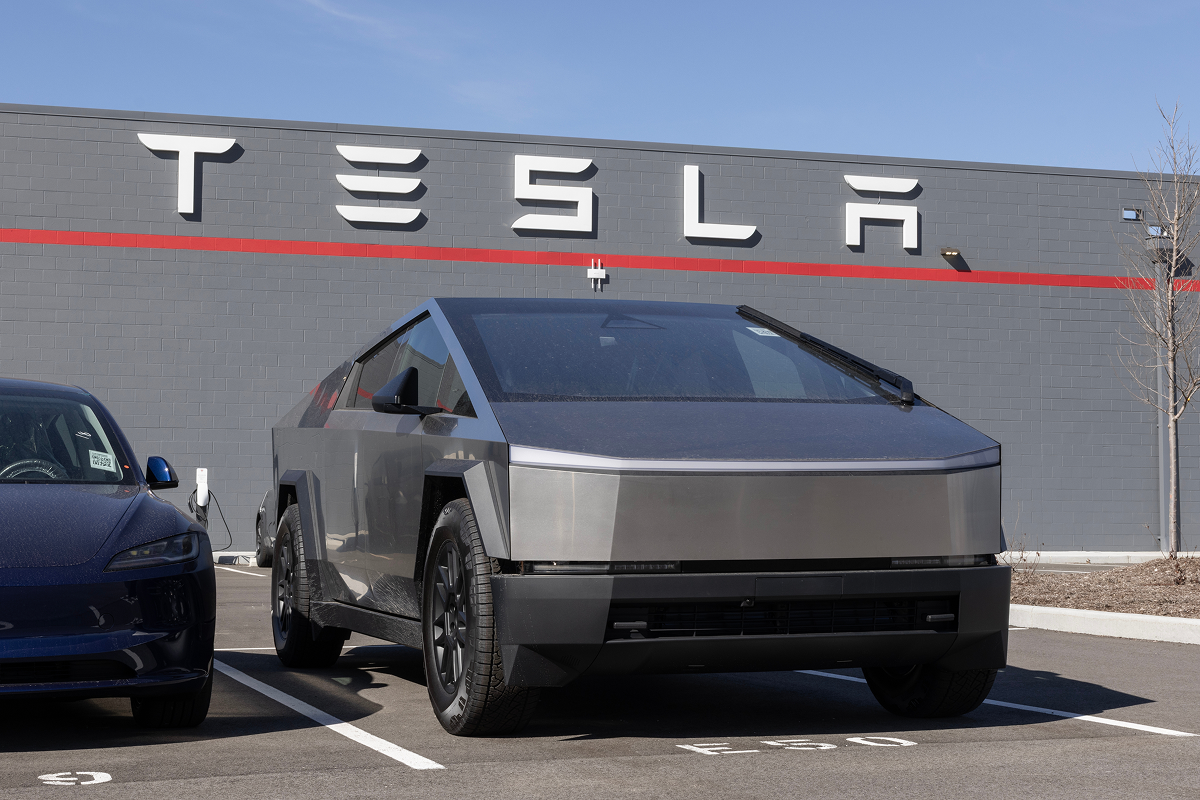
Tesla has extended the planned production period for its Cybertruck electric pickup, with Chief Executive Elon Musk announcing that manufacturing will continue through the end of summer 2027. The revised timeline gives the company additional time to address outstanding customer orders, while highlighting the operational and strategic trade-offs involved as Tesla prepares to shift manufacturing resources toward autonomous mobility.
Production Extension Revises Tesla’s Previous Wind-Down Timeline
In a November 11 post on X, Musk stated that Cybertruck production would be extended through the end of summer 2027 to work through more of the vehicle’s order backlog. The announcement follows his earlier indication that Tesla intended to wind down production around the middle of 2027, with the manufacturing line at Gigafactory Texas expected to make room for expanded Cybercab production.
The latest decision therefore represents a revision of the company’s previously communicated timetable rather than a reversal of its broader production strategy. It provides additional manufacturing time, but Musk did not disclose an exact final production date, the number of additional vehicles expected to be built or the total size of the outstanding order backlog.
Backlog Raises Questions About Production Capacity and Customer Commitments
The extension follows a series of comments from Musk indicating that Cybertruck orders exceed Tesla’s ability to fulfill them before the planned production wind-down. On November 7, he said the company would introduce an additional production shift to complete more outstanding orders before the manufacturing line was repurposed. Two days later, he warned that Tesla would have to return deposits to many customers because the order rate significantly exceeded production capacity.
These statements point to a gap between customer commitments and the number of vehicles Tesla can manufacture within its existing timetable. However, the company has not provided an updated backlog figure or clarified how many customers will receive vehicles under the extended schedule. Consequently, the announcement should not be interpreted as confirmation that every outstanding order will be fulfilled.
The deposit issue also introduces a customer-relations dimension. Buyers who have waited for the vehicle may welcome the additional production period, but uncertainty over delivery timing and potential refunds could influence customer expectations.
Cybertruck Commitments Compete With the Cybercab Expansion
The production decision reflects a broader allocation challenge for Tesla. Gigafactory Texas is central to the company’s plans to expand Cybercab manufacturing, making the available factory space and production infrastructure strategically important. Continuing Cybertruck manufacturing for additional months could help address customer commitments, but it also requires Tesla to manage the transition between an existing vehicle program and its planned autonomous-vehicle operations.
Musk acknowledged that extending production was not necessarily the most attractive decision from a profit-maximization perspective, describing the choice as one that also involved consideration for customers. This distinction is important because the economic value of additional Cybertruck production cannot be assessed solely through the number of outstanding orders. Manufacturing complexity, operating costs, vehicle pricing, production efficiency and the opportunity cost of delaying alternative uses of factory capacity all influence the decision.
Tesla has not provided a detailed financial estimate of the extension’s impact on margins or explained whether the revised timetable will alter its Cybercab production targets. The additional manufacturing period therefore represents an operational commitment whose financial implications remain unclear.
Going forward, investors will be watching for clearer information on Cybertruck delivery schedules, production volumes, customer deposit refunds and the timing of the Cybercab manufacturing expansion. The key question is whether the additional months will allow Tesla to resolve a meaningful portion of its order backlog without materially disrupting its autonomous-vehicle plans. The company’s ability to manage both objectives will provide a clearer indication of how effectively it can balance customer commitments, manufacturing efficiency and its longer-term strategic priorities.
Comparison, examination, and analysis between investment houses
Leave your details, and an expert from our team will get back to you as soon as possible
* This article, in whole or in part, does not contain any promise of investment returns, nor does it constitute professional advice to make investments in any particular field.
To read more about the full disclaimer, click here
- Ronny Mor
- •
- 8 Min Read
- •
- ago 2 minutes
SKN | Semiconductor Volatility Surges as AI Spending Uncertainty Raises Market Risk
The semiconductor sector is experiencing a significant increase in market volatility as investors reassess the financial and strategic implications
- ago 2 minutes
- •
- 8 Min Read

The semiconductor sector is experiencing a significant increase in market volatility as investors reassess the financial and strategic implications

- sagi habasov
- •
- 7 Min Read
- •
- ago 2 minutes
SKN | U.S. Household Credit Stress Intensifies as Delinquencies Reach Multi-Year and Record Levels
Rising delinquencies across credit cards, auto loans and student debt are highlighting growing financial pressure on American households. The
- ago 2 minutes
- •
- 7 Min Read

Rising delinquencies across credit cards, auto loans and student debt are highlighting growing financial pressure on American households. The

- orshu
- •
- 7 Min Read
- •
- ago 2 hours
SKN | Why Are Foreign Investors Pulling Nearly $50 Billion From Asian Equities?
Foreign investors sharply reduced exposure to Asian equities in October as concerns over the scale of artificial intelligence infrastructure
- ago 2 hours
- •
- 7 Min Read

Foreign investors sharply reduced exposure to Asian equities in October as concerns over the scale of artificial intelligence infrastructure

- Arik Arkadi Sluzki
- •
- 7 Min Read
- •
- ago 2 hours
SKN | United Airlines Moves to Restrict AI Agents as Security and Regulatory Risks Grow
United Airlines is moving to restrict AI agents from accessing its digital platforms, highlighting growing tensions between the rapid
- ago 2 hours
- •
- 7 Min Read
United Airlines is moving to restrict AI agents from accessing its digital platforms, highlighting growing tensions between the rapid
