




- Ronny Mor
- •
- 8 Min Read
- •
- 4 minutes ago


Key Points
- The realized one-month volatility spread between semiconductor stocks and the S&P 500 has climbed above 50 percentage points, its second-highest reading in at least three years.
- The Philadelphia Semiconductor Index (SOX) has fallen approximately 38%, marking its largest drawdown since the 2022 bear market.
- Equity hedge funds are reducing exposure at an unusually rapid pace, with the gross market value of long-short stock funds declining 10.7% since late June.

The semiconductor sector is experiencing a significant increase in market volatility as investors reassess the financial and strategic implications of the artificial intelligence investment cycle. A widening volatility gap between semiconductor shares and the broader US equity market, combined with substantial institutional risk reduction, suggests that uncertainty surrounding AI infrastructure spending is becoming a more prominent factor in global equity positioning.
Semiconductor Volatility Reaches a Multi-Year Extreme
The realized one-month volatility spread between semiconductor stocks and the S&P 500 has moved above 50 percentage points, reaching its second-highest level in at least three years, according to the figures presented in the market commentary. This divergence indicates that semiconductor shares are experiencing considerably larger price fluctuations than the broader equity market.
The development is particularly significant because semiconductor companies have become central to the AI investment cycle. Their valuations are influenced not only by current earnings and demand for chips, but also by expectations for future data-center construction, computing capacity and capital expenditure by major technology companies. Any reassessment of those expectations can therefore produce an outsized reaction in semiconductor valuations.
The Philadelphia Semiconductor Index, or SOX, is reported to be down approximately 38%, representing its largest drawdown since the 2022 bear market. Such a decline highlights the sector’s exposure to changes in investor expectations, particularly after a period in which AI-related demand played a major role in market sentiment.
Institutional Investors Accelerate Risk Reduction
The volatility surge is unfolding alongside a notable reduction in institutional equity exposure. The market figures indicate that global equity hedge funds cut risk during the first week of November at their fastest pace in more than a decade. Meanwhile, the gross market value of long-short equity funds has declined by 10.7% since late June.
These measures point to a broader reassessment of portfolio risk rather than a sector-specific adjustment alone. When institutional investors reduce gross exposure, the process can involve closing both long and short positions, changing leverage and reducing overall market participation. It does not necessarily indicate that all investors have adopted a uniformly bearish outlook, but it does suggest that risk tolerance has weakened.
For global investors, the distinction matters. Semiconductor volatility can influence broader technology benchmarks and portfolios with substantial exposure to US growth stocks. It may also affect international markets through the global supply chain, particularly where technology companies depend on semiconductor demand and investment activity.
AI Capital Expenditure Becomes a Central Market Risk
The underlying uncertainty concerns the sustainability and financial returns of the enormous investment commitments associated with artificial intelligence. Technology companies continue to face pressure to expand computing infrastructure, while investors are increasingly focused on whether future revenue growth and productivity gains will justify the required capital expenditure.
For semiconductor manufacturers, this creates a sensitive balance between long-term demand potential and near-term valuation risk. Strong AI infrastructure spending can support orders and revenue expectations, but any indication of slower investment, delayed projects or weaker returns could trigger further adjustments in market forecasts.
The elevated volatility spread suggests that investors are increasingly differentiating between the semiconductor sector and the broader equity market. This may reflect concerns about concentrated exposure to AI-related companies, the scale of infrastructure commitments and the possibility that expectations have advanced faster than the financial results currently support.
Going forward, investors will be monitoring semiconductor earnings, guidance from major technology companies, AI infrastructure spending plans and institutional positioning. A stabilization in volatility could indicate that markets are beginning to absorb the repricing, while continued deterioration in risk appetite may extend pressure across technology stocks and related global markets. The key question is whether the current adjustment represents a temporary reassessment of valuations or a more prolonged change in expectations for the AI investment cycle.
Comparison, examination, and analysis between investment houses
Leave your details, and an expert from our team will get back to you as soon as possible
* This article, in whole or in part, does not contain any promise of investment returns, nor does it constitute professional advice to make investments in any particular field.
To read more about the full disclaimer, click here
- Lior mor
- •
- 8 Min Read
- •
- ago 4 minutes
SKN | Tesla Extends Cybertruck Production Through Summer 2027 to Address Order Backlog
Tesla has extended the planned production period for its Cybertruck electric pickup, with Chief Executive Elon Musk announcing that
- ago 4 minutes
- •
- 8 Min Read

Tesla has extended the planned production period for its Cybertruck electric pickup, with Chief Executive Elon Musk announcing that

- orshu
- •
- 6 Min Read
- •
- ago 48 minutes
Americas Market Overview: Nasdaq Leads Gains as Major Equity Indexes Advance
U.S. Equities Lead Regional Gains Major U.S. equity indexes recorded broad advances, led by technology-heavy Nasdaq, which climbed 1.60% to
- ago 48 minutes
- •
- 6 Min Read

U.S. Equities Lead Regional Gains Major U.S. equity indexes recorded broad advances, led by technology-heavy Nasdaq, which climbed 1.60% to
- orshu
- •
- 7 Min Read
- •
- ago 2 hours
SKN | Why Are Foreign Investors Pulling Nearly $50 Billion From Asian Equities?
Foreign investors sharply reduced exposure to Asian equities in October as concerns over the scale of artificial intelligence infrastructure
- ago 2 hours
- •
- 7 Min Read
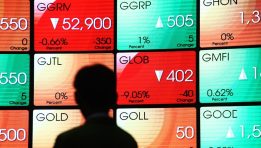
Foreign investors sharply reduced exposure to Asian equities in October as concerns over the scale of artificial intelligence infrastructure

- Arik Arkadi Sluzki
- •
- 7 Min Read
- •
- ago 2 hours
SKN | United Airlines Moves to Restrict AI Agents as Security and Regulatory Risks Grow
United Airlines is moving to restrict AI agents from accessing its digital platforms, highlighting growing tensions between the rapid
- ago 2 hours
- •
- 7 Min Read

United Airlines is moving to restrict AI agents from accessing its digital platforms, highlighting growing tensions between the rapid
