




- Arik Arkadi Sluzki
- •
- 7 Min Read
- •
- 12 minutes ago


Key Points
- United Airlines plans to restrict AI bots from accessing its digital platforms, citing data-security and operational concerns.
- The carrier warned that third-party AI assistants could expose customer credentials and sensitive account information or trigger unintended transactions.
- United's move highlights a growing divide among companies as some restrict autonomous AI agents while others pursue partnerships to integrate them into digital commerce and travel.
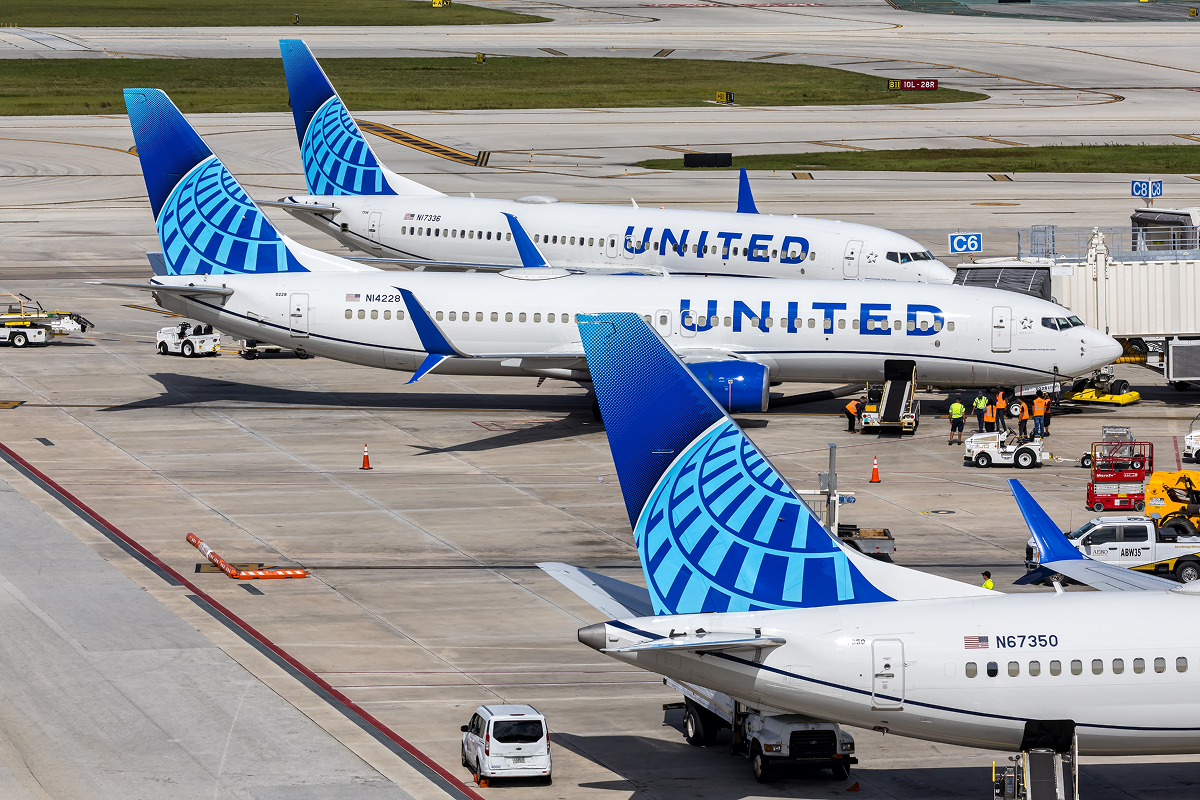
United Airlines is moving to restrict AI agents from accessing its digital platforms, highlighting growing tensions between the rapid adoption of autonomous artificial intelligence and the security requirements of highly regulated industries. The decision reflects a broader debate over whether AI agents should be permitted to execute transactions and other actions on behalf of consumers without direct human involvement.
United Raises Data Security Concerns
United said Wednesday that it would restrict AI bots from accessing its digital platforms because of data-security concerns. The airline warned that customers who share account credentials with third-party AI assistants could expose sensitive information and potentially allow unintended purchases, account changes or unauthorized use of frequent-flyer miles.
The concerns are particularly relevant to airline platforms because customer accounts can contain payment information, travel details and loyalty-program balances. An AI system capable of independently navigating those accounts could potentially perform actions that users did not intend to authorize, creating additional security and liability questions for carriers.
Autonomous Actions Create Regulatory Questions
United also pointed to risks arising from AI tools that perform regulated travel functions. Automated systems could, for example, attempt to complete flight check-in procedures that require human acknowledgment of restrictions involving prohibited items such as explosives.
That distinction makes airline platforms different from many conventional e-commerce environments. An AI agent that autonomously completes a retail purchase may create primarily commercial or security concerns, while an automated action in aviation can intersect with regulatory and passenger-safety requirements.
United said it would therefore take steps to restrict AI-agent access both directly through its own digital platforms and indirectly through travel agencies and aggregators. The airline plans to update its booking, ticketing and distribution policies accordingly.
Companies Take Diverging AI Strategies
United’s decision illustrates the increasingly different approaches companies are taking toward autonomous AI agents. Some businesses are restricting access because of concerns about security, privacy and control, while others are pursuing partnerships designed to make AI agents part of the customer experience.
Amazon, for example, has blocked Meta’s AI agent Muse, while Walmart has partnered with the technology. In the travel industry, online travel companies including Expedia and Booking are working with OpenAI, demonstrating that the commercial response to AI agents remains far from uniform.
AI Agents Test the Boundaries of Digital Commerce
The underlying issue is becoming broader than whether companies permit automated software to access their websites. As AI agents become capable of researching products, making reservations and completing transactions, businesses must determine who controls the transaction, who is responsible for mistakes and how customer authorization should be verified.
For investors, the development highlights an emerging business and regulatory consideration across industries. Companies that embrace AI agents could gain new channels for customer engagement, while those that restrict access may prioritize control over their digital infrastructure and customer data.
Going forward, United’s policy changes will be watched alongside developments at airlines, travel agencies and technology companies as the industry establishes standards for autonomous digital transactions. The central challenge will be finding a workable balance between AI-driven convenience, cybersecurity, customer authorization and regulatory compliance, particularly in industries where automated actions can carry consequences beyond a conventional online purchase.
Comparison, examination, and analysis between investment houses
Leave your details, and an expert from our team will get back to you as soon as possible
* This article, in whole or in part, does not contain any promise of investment returns, nor does it constitute professional advice to make investments in any particular field.
To read more about the full disclaimer, click here
- orshu
- •
- 7 Min Read
- •
- ago 12 minutes
SKN | Why Are Foreign Investors Pulling Nearly $50 Billion From Asian Equities?
Foreign investors sharply reduced exposure to Asian equities in October as concerns over the scale of artificial intelligence infrastructure
- ago 12 minutes
- •
- 7 Min Read

Foreign investors sharply reduced exposure to Asian equities in October as concerns over the scale of artificial intelligence infrastructure

- sagi habasov
- •
- 7 Min Read
- •
- ago 18 minutes
SKN | Alphabet Eyes $3 Billion Hong Kong and Singapore Bond Sale to Fund AI Expansion
Alphabet is preparing to test Asian debt markets with potential bond offerings denominated in Hong Kong and Singapore dollars,
- ago 18 minutes
- •
- 7 Min Read

Alphabet is preparing to test Asian debt markets with potential bond offerings denominated in Hong Kong and Singapore dollars,

- Ronny Mor
- •
- 6 Min Read
- •
- ago 6 hours
SKN | Chinese University Obtains Nvidia H200 Chips Despite US Export Blacklist
Chinese University Acquires Restricted Nvidia Chips Northwestern Polytechnical University, a Chinese institution with extensive ties to the country's military research
- ago 6 hours
- •
- 6 Min Read

Chinese University Acquires Restricted Nvidia Chips Northwestern Polytechnical University, a Chinese institution with extensive ties to the country's military research
- orshu
- •
- 8 Min Read
- •
- ago 13 hours
SKN | Tel Aviv Stocks Advance Modestly as Blue Chips Lead While Mid-Cap and Banking Gauges Face Mild Pressure
Trading across the Tel Aviv Stock Exchange reflects a measured upward bias during active market hours, led by resilient performance
- ago 13 hours
- •
- 8 Min Read

Trading across the Tel Aviv Stock Exchange reflects a measured upward bias during active market hours, led by resilient performance
