




- sagi habasov
- •
- 7 Min Read
- •
- 19 minutes ago


Key Points
- Alphabet is considering its first bond offerings in Hong Kong and Singapore dollars, targeting approximately $3 billion in combined proceeds.
- The proposed transactions could raise at least $2.2 billion, with final size, timing and pricing still undecided.
- The borrowing comes as Alphabet increases spending on AI data centers and computing infrastructure and follows several major debt offerings by global technology companies.

Alphabet is preparing to test Asian debt markets with potential bond offerings denominated in Hong Kong and Singapore dollars, seeking approximately $3 billion equivalent as technology companies continue to raise substantial capital for artificial intelligence infrastructure. The proposed transactions would represent Alphabet’s first bond sales in the two currencies and come after a year of increasingly large borrowing by major technology companies.
Alphabet Targets Asian Debt Investors
Alphabet is considering raising approximately $3 billion equivalent through the two bond markets, according to people familiar with the matter. The transactions could raise at least $2.2 billion, with the company considering minimum sizes of HK$8 billion, equivalent to about $1 billion, for the Hong Kong dollar portion and S$1.5 billion, or approximately $1.2 billion, for the Singapore dollar offering.
The final size, pricing and timing have not been determined. The offerings could launch as early as Thursday, with bookbuilding and pricing expected during Asian trading hours and settlement potentially taking place on November 19, according to the sources cited by Reuters.Longer-Dated Debt Broadens Financing Options
The proposed Hong Kong dollar bonds could have two-, five- and 10-year maturities, while the Singapore dollar portion could include two-, five-, 10- and 30-year maturities. The range would allow Alphabet to diversify the maturity profile of its debt while accessing investors outside the company’s traditional U.S. dollar funding base.
The bonds are expected to receive high investment-grade ratings of Aa2 from Moody’s and AA+ from S&P, according to a term sheet seen by Reuters. HSBC and JPMorgan have been appointed joint global coordinators, while other regional banks are participating in the respective Hong Kong and Singapore portions.
AI Infrastructure Drives Technology Borrowing
The proposed sale adds to Alphabet’s substantial borrowing this year as the company increases expenditure on data centers and AI computing infrastructure. Alphabet reported in an October 29 filing that it had issued $45 billion of U.S.-dollar-denominated notes and $35.8 billion of foreign-currency notes during the first nine months of the year for general corporate purposes.
Alphabet also raised €6 billion through a euro-denominated bond sale last week, following a $25 billion U.S. dollar offering and A$5.5 billion Australian dollar transaction in August. The scale and geographic diversity of the borrowing highlight how rapidly AI investment is changing the financing requirements of the world’s largest technology companies.
Big Tech Debt Demand Tests Asian Markets
Alphabet is not alone in turning to debt markets to finance the AI infrastructure cycle. Meta recently completed a $15 billion U.S. bond sale, while Oracle sold $10 billion of bonds. Earlier this month, Reuters reported that major hyperscalers had already raised more than $370.7 billion through investment-grade debt issuance in the U.S. market this year.
The Asian offering therefore provides another test of investor appetite for technology-sector debt following a period of heightened scrutiny over AI valuations, capital spending and financing requirements. For investors in Israel and globally, the transaction is also relevant to global bond markets and cross-border capital flows, as large technology companies increasingly diversify their funding sources.
Going forward, investors will watch the final size, pricing and demand for Alphabet’s Hong Kong and Singapore dollar bonds. Strong demand could demonstrate that major technology issuers retain broad access to international credit markets despite rising scrutiny of AI spending, while weaker demand or higher-than-expected borrowing costs could signal that investors are becoming more selective about the debt required to finance the next phase of the AI infrastructure buildout.
Comparison, examination, and analysis between investment houses
Leave your details, and an expert from our team will get back to you as soon as possible
* This article, in whole or in part, does not contain any promise of investment returns, nor does it constitute professional advice to make investments in any particular field.
To read more about the full disclaimer, click here
- orshu
- •
- 7 Min Read
- •
- ago 14 minutes
SKN | Why Are Foreign Investors Pulling Nearly $50 Billion From Asian Equities?
Foreign investors sharply reduced exposure to Asian equities in October as concerns over the scale of artificial intelligence infrastructure
- ago 14 minutes
- •
- 7 Min Read
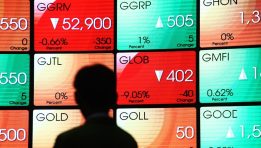
Foreign investors sharply reduced exposure to Asian equities in October as concerns over the scale of artificial intelligence infrastructure

- Arik Arkadi Sluzki
- •
- 7 Min Read
- •
- ago 14 minutes
SKN | United Airlines Moves to Restrict AI Agents as Security and Regulatory Risks Grow
United Airlines is moving to restrict AI agents from accessing its digital platforms, highlighting growing tensions between the rapid
- ago 14 minutes
- •
- 7 Min Read
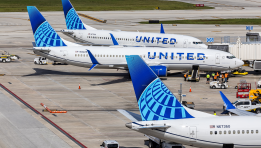
United Airlines is moving to restrict AI agents from accessing its digital platforms, highlighting growing tensions between the rapid

- Ronny Mor
- •
- 7 Min Read
- •
- ago 15 minutes
SKN | Dollar Strengthens as Markets Price In a December Fed Rate Hike
The U.S. dollar strengthened against major currencies on Wednesday as hotter-than-expected U.S. inflation and hawkish comments from Federal Reserve
- ago 15 minutes
- •
- 7 Min Read
The U.S. dollar strengthened against major currencies on Wednesday as hotter-than-expected U.S. inflation and hawkish comments from Federal Reserve
- Ronny Mor
- •
- 6 Min Read
- •
- ago 6 hours
SKN | Chinese University Obtains Nvidia H200 Chips Despite US Export Blacklist
Chinese University Acquires Restricted Nvidia Chips Northwestern Polytechnical University, a Chinese institution with extensive ties to the country's military research
- ago 6 hours
- •
- 6 Min Read
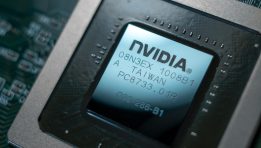
Chinese University Acquires Restricted Nvidia Chips Northwestern Polytechnical University, a Chinese institution with extensive ties to the country's military research
