




- Lior mor
- •
- 7 Min Read
- •
- 2 minutes ago


Key Points
- TSMC has pushed back against reports that it is considering 3D DRAM memory production at Nvidia’s request.
- The company reiterated its position as a pure-play logic foundry, indicating that it intends to remain focused on its established manufacturing business.
- The reported development highlights the strategic boundary between advanced logic manufacturing and memory production as demand for AI infrastructure expands.
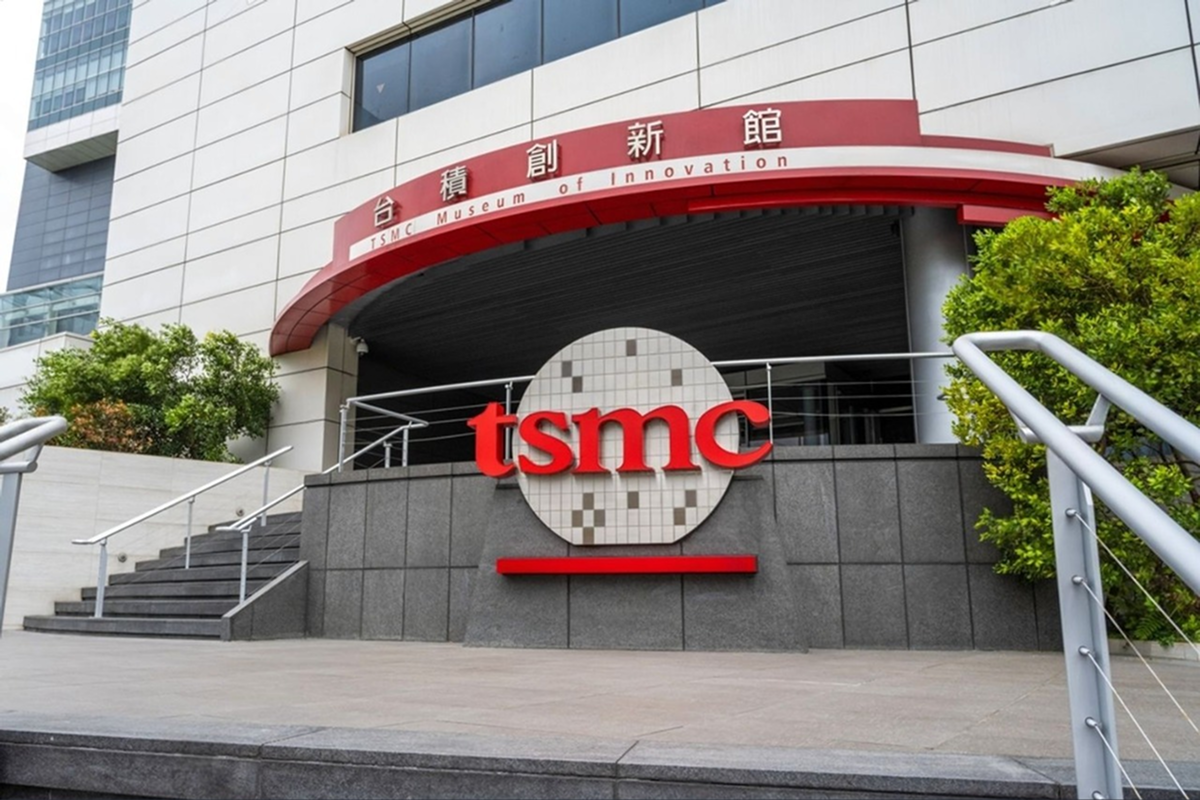
The rapid expansion of artificial intelligence infrastructure is increasing demand for advanced processors, high-bandwidth memory and more sophisticated semiconductor packaging. Against this backdrop, reports that Nvidia had explored the possibility of TSMC entering 3D DRAM production raised questions about whether the world’s leading contract chipmaker might broaden its manufacturing activities. TSMC has reportedly rejected that characterization, reaffirming its commitment to remaining a dedicated logic foundry.
TSMC Reaffirms Its Pure-Play Foundry Strategy
According to the report cited by Wall St Engine, TSMC pushed back against claims that it was exploring 3D DRAM memory production following a request from Nvidia. The company reportedly emphasized that it operates as a pure-play logic foundry and intends to maintain that business model.
The distinction is strategically significant. TSMC’s foundry model centers on manufacturing semiconductor designs developed by external customers, rather than competing with them through its own branded chip products. Remaining focused on logic manufacturing allows the company to concentrate capital, research and production capacity on advanced processors and other logic devices.
Entering memory manufacturing would represent a substantial strategic expansion, potentially requiring different production capabilities, investment priorities and commercial relationships. TSMC’s reported response suggests that it does not currently intend to pursue that change.
Why 3D DRAM Matters to the AI Semiconductor Industry
The interest in 3D DRAM reflects a broader challenge facing the AI sector: improving the movement and availability of data as computing workloads become increasingly demanding. Advanced AI accelerators require high-performance memory systems capable of supplying large volumes of data efficiently. Memory architecture, bandwidth and integration have therefore become important considerations alongside processor performance.
Three-dimensional memory approaches seek to improve density and data access by arranging memory structures vertically. However, the image does not provide technical specifications, a development timeline or details of any proposed Nvidia request. The reported discussion should therefore not be interpreted as confirmation that TSMC had begun developing a commercial 3D DRAM manufacturing program.
For Nvidia, access to increasingly capable memory technologies remains relevant to the performance and efficiency of its AI computing platforms. Nevertheless, the report does not establish that the company has secured, or is pursuing, a specific production arrangement with TSMC.
Strategic Implications for Semiconductor Supply Chains
TSMC’s reported position underscores the specialized structure of the global semiconductor industry. Logic foundries, memory manufacturers and advanced packaging providers each occupy distinct roles, while cooperation across these segments is essential to delivering increasingly complex AI systems.
Maintaining a focused foundry model may allow TSMC to preserve its investment priorities and customer relationships as competition for advanced manufacturing capacity intensifies. At the same time, the separation between logic and memory production does not prevent collaboration through technology partnerships or supply-chain integration.
For investors and industry participants, the key issue is whether growing AI demand will encourage deeper cooperation between foundries and memory suppliers without requiring major changes to their established business models.
Going forward, attention will remain on TSMC’s capital expenditure, advanced-node capacity, packaging capabilities and relationships with major AI customers, including Nvidia. Developments in high-bandwidth memory and three-dimensional integration will also be important indicators of how the industry addresses the growing performance requirements of AI systems. For now, the reported response indicates that TSMC intends to preserve its core identity as a logic foundry rather than enter memory manufacturing.
Category:
- Technology
- Market News & Breaking Updates
Comparison, examination, and analysis between investment houses
Leave your details, and an expert from our team will get back to you as soon as possible
* This article, in whole or in part, does not contain any promise of investment returns, nor does it constitute professional advice to make investments in any particular field.
To read more about the full disclaimer, click here
- orshu
- •
- 7 Min Read
- •
- ago 14 minutes
SKN | Hang Seng Index Falls 1.27% to 24,481.86, but Retains 5.10% Weekly Gain
The Hang Seng Index ended Friday's session lower, falling 1.27% to 24,481.86. However, the decline did little to erase
- ago 14 minutes
- •
- 7 Min Read

The Hang Seng Index ended Friday's session lower, falling 1.27% to 24,481.86. However, the decline did little to erase

- Ronny Mor
- •
- 7 Min Read
- •
- ago 31 minutes
SKN | Nikkei 225 Plunges 5.96% to 57,434.77, Extending Weekly Loss to 9.25% Amid Technology Selloff
The Nikkei 225 ended the week on November 6, 2026, under significant pressure, falling 5.96% to 57,434.77. The decline
- ago 31 minutes
- •
- 7 Min Read

The Nikkei 225 ended the week on November 6, 2026, under significant pressure, falling 5.96% to 57,434.77. The decline

- omer bar
- •
- 7 Min Read
- •
- ago 51 minutes
SKN | Euro Currency Index Falls 0.59% to 111.53, Weekly Loss Reaches 0.12% as Support Nears
The Euro Currency Index ended the week lower, declining 0.59% to 111.53 on Friday, November 6. The retreat reversed
- ago 51 minutes
- •
- 7 Min Read

The Euro Currency Index ended the week lower, declining 0.59% to 111.53 on Friday, November 6. The retreat reversed
- Ronny Mor
- •
- 7 Min Read
- •
- ago 1 hour
SKN | Tesla to Wind Down Cybertruck Production as Weak Sales Shift Focus to Cybercab
Tesla is preparing to wind down production of the Cybertruck at its Texas gigafactory around mid-2027, marking a significant
- ago 1 hour
- •
- 7 Min Read

Tesla is preparing to wind down production of the Cybertruck at its Texas gigafactory around mid-2027, marking a significant
