




- sagi habasov
- •
- 7 Min Read
- •
- 5 minutes ago


Key Points
- Rising tanker rates linked to the Iran conflict are forcing sellers to offer deeper discounts on heavy crude grades.
- Higher shipping costs are creating a cost advantage for U.S. Gulf Coast refiners compared with Asian competitors.
- Security risks around the Strait of Hormuz are disrupting tanker traffic while increasing insurance costs and voyage times.
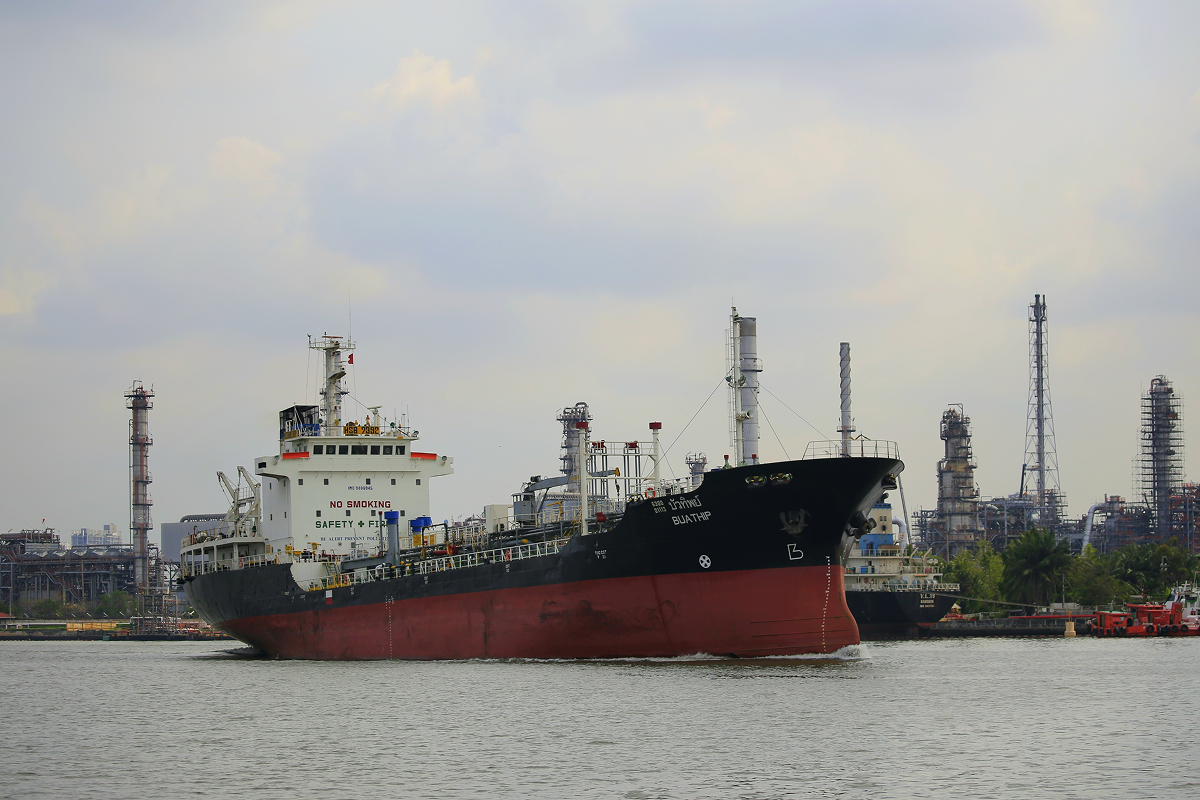
Surging tanker rates following the Iran conflict are reshaping crude-oil economics, giving U.S. Gulf Coast refiners a growing cost advantage over Asian rivals as sellers deepen discounts on heavy crude. The shift comes as disruptions around a critical global shipping route increase transportation expenses and alter the relative economics of crude supplies across major refining markets.
The development is particularly significant for refiners including HF Sinclair, Marathon Petroleum and PBF Energy, which reported strong third-quarter profits as changing crude flows and regional price differentials created favorable refining conditions.
Shipping Disruptions Widen Crude Discounts
Security threats around the Strait of Hormuz have sharply increased the cost and complexity of moving crude by sea. The strategic chokepoint handled approximately one-fifth of global oil and liquefied natural gas supplies before the conflict began, making disruptions to tanker traffic particularly significant for international energy markets.
Higher war-risk insurance premiums and longer voyages have added to the cost of transporting crude. As sellers attempt to compensate buyers for those additional logistical expenses, discounts on certain heavy crude grades have widened, according to executives cited by Reuters.
The result is a shift in the economics of global refining. When transportation costs rise significantly, refiners located closer to alternative crude supplies can gain an advantage over competitors that depend more heavily on long-distance shipments.
U.S. Gulf Coast Refiners Gain Relative Advantage
U.S. Gulf Coast refiners are particularly positioned to benefit from the changing trade environment. Their access to domestic and regional crude supplies reduces their exposure to some of the shipping costs affecting Asian refiners that rely more heavily on seaborne crude imports.
The widening discounts on heavy crude can further strengthen this advantage. For refiners, the cost of crude feedstock is a critical component of profitability, and changes in the differential between crude acquisition costs and refined-product prices can have a significant impact on margins.
That dynamic helps explain why refiners such as Marathon Petroleum, HF Sinclair and PBF Energy have been able to report strong third-quarter results despite heightened geopolitical uncertainty. The benefits are not uniform across the industry, however, because individual refiners have different crude slates, transportation exposure and refining configurations.
Asian Refiners Face Greater Transportation Pressure
Asian refiners face a different set of constraints. Longer voyages and elevated insurance costs can increase the delivered price of crude, potentially narrowing refining margins when comparable discounts do not fully offset higher freight expenses.
The situation also highlights the importance of geographic diversification in global energy supply chains. Refiners that can access multiple crude grades through shorter or less exposed transportation routes may have greater flexibility when geopolitical disruptions affect major maritime corridors.
At the same time, the evolving trade flows could influence crude pricing across regions. If sellers increasingly offer discounts to compensate for higher freight costs, the resulting price differentials could encourage changes in refinery sourcing and alter the direction of future crude shipments.
Geopolitical Risk Remains Central to Refining Economics
The advantage for U.S. refiners could persist as long as elevated tanker rates and maritime security risks continue, but the underlying conditions remain highly sensitive to developments in the conflict. A reduction in shipping disruptions could lower freight and insurance costs, potentially narrowing the current regional advantage.
Going forward, markets will monitor tanker rates, war-risk insurance premiums, Strait of Hormuz traffic, crude discounts and refining margins to determine how long the current imbalance can last. For global energy markets, the episode demonstrates how geopolitical risks can extend well beyond crude prices themselves, reshaping transportation economics and creating significant differences in profitability between refiners operating in different regions.
Comparison, examination, and analysis between investment houses
Leave your details, and an expert from our team will get back to you as soon as possible
* This article, in whole or in part, does not contain any promise of investment returns, nor does it constitute professional advice to make investments in any particular field.
To read more about the full disclaimer, click here
- Ronny Mor
- •
- 7 Min Read
- •
- ago 2 hours
SKN | Wall Street Seeks Stability After Multi-Trillion-Dollar Tech Selloff
Global financial markets were attempting to stabilize on Friday after a sharp technology-led selloff erased trillions of dollars in
- ago 2 hours
- •
- 7 Min Read

Global financial markets were attempting to stabilize on Friday after a sharp technology-led selloff erased trillions of dollars in

- orshu
- •
- 7 Min Read
- •
- ago 8 hours
SKN | Tel Aviv Stocks Advance as TA-35 and Large-Cap Gauges Lead Broad Market Gains
Trading on the Tel Aviv Stock Exchange reflects constructive momentum during open market hours, with the majority of benchmark equity
- ago 8 hours
- •
- 7 Min Read

Trading on the Tel Aviv Stock Exchange reflects constructive momentum during open market hours, with the majority of benchmark equity
- orshu
- •
- 7 Min Read
- •
- ago 12 hours
SKN | Demand Destruction and Rising Inventories Spark Glut Fears: Will Crude Tumble Past $95 as Supply Rebounds?
Global energy markets are confronting an abrupt structural pivot as months of elevated oil prices take a visible toll on
- ago 12 hours
- •
- 7 Min Read
Global energy markets are confronting an abrupt structural pivot as months of elevated oil prices take a visible toll on
- orshu
- •
- 8 Min Read
- •
- ago 13 hours
SKN | Global Markets Wrap: November 5, 2026 Tech Rout and Surging Volatility Spark Global De-Risking Ahead of November 6 US Jobs Report
Global financial markets experienced heavy turbulence on Thursday, November 5, 2026, as an aggressive wave of de-risking swept through developed
- ago 13 hours
- •
- 8 Min Read

Global financial markets experienced heavy turbulence on Thursday, November 5, 2026, as an aggressive wave of de-risking swept through developed
