




- sagi habasov
- •
- 9 Min Read
- •
- 3 minutes ago


Key Points
- First Rate Increase in Three Years: The Bank of England raised its policy rate from 3.75% to 4%, with the Monetary Policy Committee voting 8-1 in favour. The dissenting member supported a larger increase rather than holding rates steady.
- Further Tightening Expected: Policymakers warned that another increase could be necessary if the US-Iran conflict keeps energy prices elevated. Markets increased expectations for additional rate hikes, pricing in approximately 76 basis points of tightening by the end of 2027.
- Gilt Yields Move Higher: UK government bond yields rose following the decision, with the two-year yield increasing around three basis points to 4.77%. Sterling was little changed, while the FTSE 100 advanced 0.7%.
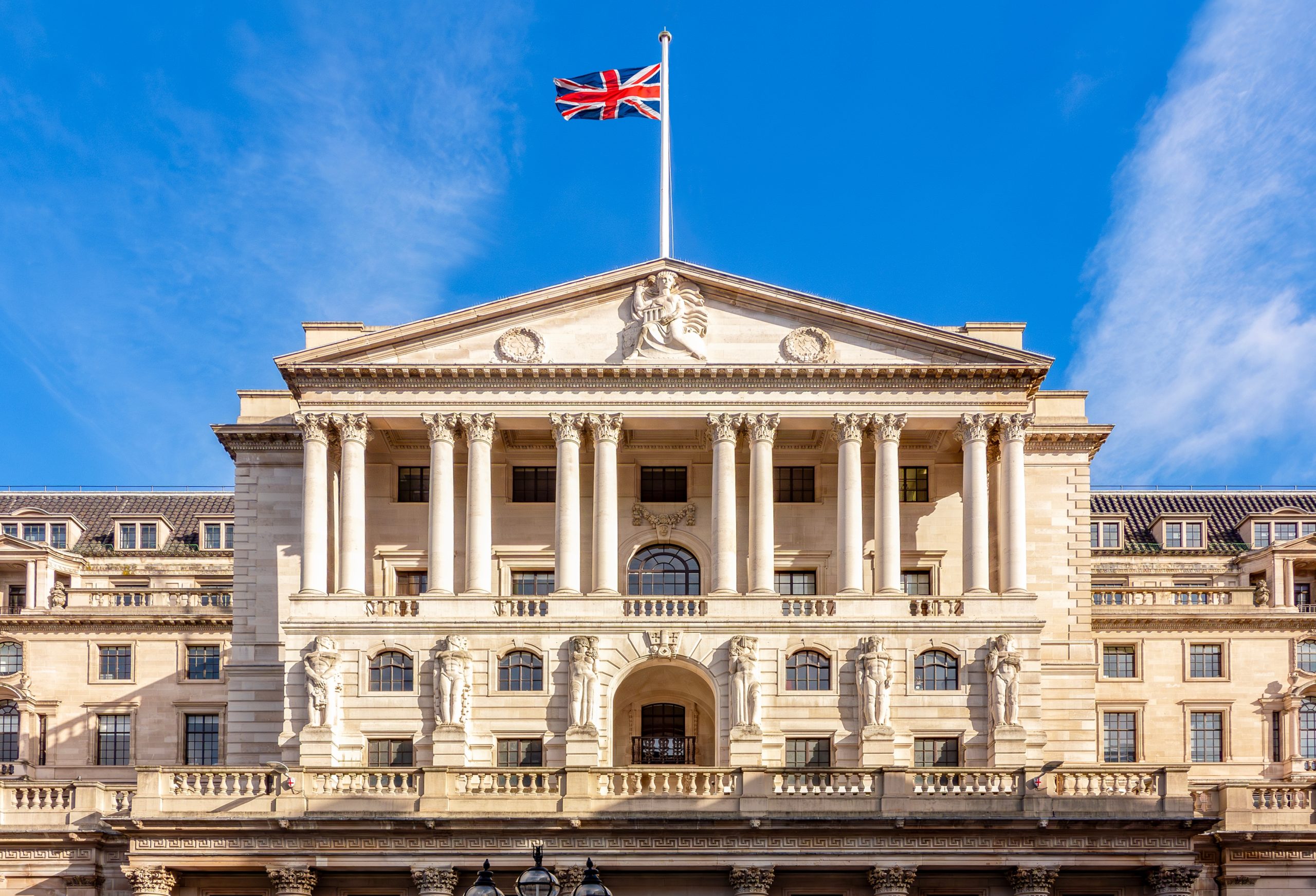
Bank of England Delivers First Rate Increase Since 2023
The Bank of England raised interest rates for the first time in more than three years on Thursday, increasing the policy rate to 4% from 3.75%. The decision reflected growing concern that higher energy costs could feed into broader inflation, particularly if the US-Iran conflict continues.
The Monetary Policy Committee voted 8-1 in favour of the increase. The dissent came from a policymaker who wanted a larger hike, rather than one who preferred to leave rates unchanged. This differed from expectations in a Reuters poll and contributed to the perception that the decision was more hawkish than anticipated.
The central bank also warned that at least one further increase could be necessary if the energy shock persists.
Sterling and UK Bond Yields React to the Decision
Sterling was relatively stable following the announcement, trading around $1.3468 compared with approximately $1.3453 earlier in the session. Against the euro, the pound stood at 83.29 pence, slightly firmer on the day.
UK government bond yields moved higher as investors reassessed the outlook for monetary policy. The rate-sensitive two-year gilt yield increased by approximately three basis points to 4.77%.
London’s FTSE 100 was last trading 0.7% higher.
Interest-rate markets also adjusted their expectations. Traders were pricing in approximately 76 basis points of additional tightening by the end of 2027, compared with around 67 basis points before the decision.
Energy Inflation Remains Central to the Policy Outlook
Comments from market strategists and investment professionals reflected broad agreement that energy prices will remain a major influence on the Bank’s next decisions.
Piotr Matys of In Touch Capital Markets described sterling’s initial appreciation as a reaction to the hawkish 25-basis-point increase, noting that the discussion of a possible 50-basis-point move reinforced the signal.
Michael Metcalfe of State Street also characterized the outcome as relatively hawkish. He pointed to Governor Andrew Bailey’s indication that further increases could be required if energy prices remain elevated. In his assessment, the duration of the energy shock and its impact on headline inflation will determine the scale and timing of additional tightening.
Neil Wilson of Saxo similarly viewed the decision as a strong signal that another increase could come soon. He noted that market expectations for a December hike had moved from roughly one-in-four to closer to an even probability.
Markets Remain Divided on the Scale of Future Hikes
Despite the hawkish decision, investment strategists disagreed on how far the Bank would ultimately need to raise rates.
Vivek Paul of BlackRock Investment Institute argued that markets may be pricing in too many increases. While acknowledging resilient economic growth and a stabilizing labour market, he saw room for only one additional hike over the next year, compared with the three implied by market pricing.
Lale Akoner of eToro also cautioned against assuming a prolonged tightening cycle. She noted that if investors reduce their expectations for future increases, UK government bonds could benefit from falling yields. Lower borrowing costs could eventually support housebuilders, property companies and consumer-facing businesses.
Madison Faller of J.P. Morgan Private Bank described the latest move as measured rather than the beginning of an aggressive cycle. She highlighted the balance between elevated inflation, resilient growth and the possibility that energy prices could stabilize.
Inflation Risks and Growth Remain in Tension
Other market participants emphasized the difficulty of responding to imported inflation without placing excessive pressure on economic activity.
David Rees of Schroders expects UK interest rates to peak at 4.25%, below the path currently reflected in market pricing. He argued that domestic inflation remains relatively contained and that economic slack persists, despite recent improvements in growth and labour-market data.
Neil Birrell of Premier Miton expects further increases in the first half of next year, although the timing and number remain uncertain. Ed Hutchings of Aviva Investors highlighted the risk of second-round inflation effects, particularly as businesses and workers approach annual wage settlements.
Susannah Streeter of Wealth Club noted that higher borrowing costs could place additional pressure on households and borrowers as financial conditions tighten.
What Investors Should Watch Next
The Bank of England’s next decisions will depend heavily on whether elevated energy costs spread into wages and broader domestic prices. The persistence of the Middle East energy shock, incoming inflation data and labour-market developments will help determine whether further increases are necessary.
For bond investors, the difference between current market expectations and the more measured outlook expressed by several strategists creates an important point of uncertainty. If inflation pressures ease, gilt yields could come under downward pressure. If energy costs remain high and inflation broadens, expectations for further tightening may strengthen.
Comparison, examination, and analysis between investment houses
Leave your details, and an expert from our team will get back to you as soon as possible
* This article, in whole or in part, does not contain any promise of investment returns, nor does it constitute professional advice to make investments in any particular field.
To read more about the full disclaimer, click here
- Lior mor
- •
- 7 Min Read
- •
- ago 15 hours
SKN | Dollar Softens as Midterm Election Clarity Boosts Global Sentiment: Can the Greenback Reclaim Yield Dominance?
The U.S. dollar edged lower across major currency pairs on Thursday morning, November 5, 2026, as international financial markets responded
- ago 15 hours
- •
- 7 Min Read

The U.S. dollar edged lower across major currency pairs on Thursday morning, November 5, 2026, as international financial markets responded

- Ronny Mor
- •
- 6 Min Read
- •
- ago 2 days
SKN | Meta Raises $15 Billion in Bond Offering as 30-Year Debt Yield Reaches 7.5%
Meta has entered the bond market with a $15 billion debt offering, securing financing across maturities extending from five
- ago 2 days
- •
- 6 Min Read
Meta has entered the bond market with a $15 billion debt offering, securing financing across maturities extending from five

- orshu
- •
- 7 Min Read
- •
- ago 2 days
SKN | ECB December Rate Hike Gains Momentum as Bundesbank’s Nagel Warns of Rising Inflation Risks
The European Central Bank's monetary policy outlook is becoming increasingly restrictive as renewed energy inflation complicates the eurozone's path
- ago 2 days
- •
- 7 Min Read

The European Central Bank's monetary policy outlook is becoming increasingly restrictive as renewed energy inflation complicates the eurozone's path
- Lior mor
- •
- 6 Min Read
- •
- ago 2 days
SKN | U.S. Treasury Yields Rise as Midterm Elections, Jobs Data and Iran Tensions Shape Markets
Treasury Yields Edge Higher U.S. Treasury yields moved higher Tuesday as investors weighed the start of the midterm elections, upcoming
- ago 2 days
- •
- 6 Min Read

Treasury Yields Edge Higher U.S. Treasury yields moved higher Tuesday as investors weighed the start of the midterm elections, upcoming
