




- omer bar
- •
- 7 Min Read
- •
- 7 hours ago


Key Points
- U.S. diplomatic envoys have proposed restoring Russian natural gas flows to Europe through Ukrainian pipeline corridors as part of broader peace negotiation frameworks, challenging the European Union's statutory phase-out roadmaps.
- The initiative emerges as Ukraine previously halted direct Russian pipeline transit, with European hubs having invested billions pivoting toward global liquefied natural gas (LNG) and alternative pipeline supplies.
- For international commodity desks and Israeli energy allocators, reintroducing Russian transit volumes risks destabilizing continental LNG import premiums, compressing benchmark gas curves, and altering Eastern Mediterranean export economics.

U.S. diplomatic representatives have floated a contentious proposal to restore Russian natural gas transit through Ukrainian pipeline infrastructure as part of an overarching framework to facilitate an energy ceasefire and peace settlement in Eastern Europe. The initiative, raised during high-level consultations involving American envoys, Ukrainian leadership, and European policymakers, envisions restarting pipeline flows that ceased following earlier contract expirations. Coming at a time when global energy markets are navigating heightened volatility from Middle Eastern supply risks, the prospect of reintroducing Russian pipeline supply to the continent introduces significant pricing uncertainty across European natural gas hubs and global commodity networks.
Diplomatic Incentives Clash with European Decoupling Targets
The U.S. proposal to revive Ukrainian gas transit seeks to deploy commercial revenues and cross-border energy flows as economic leverage to broker an armistice between Moscow and Kyiv. Under the discussed frameworks, transit fees would provide fiscal support to Ukraine while offering commercial incentives for Moscow to stabilize operational fronts. However, the initiative collides directly with established European Union policy frameworks, which legally mandate the phase-out of Russian LNG by late 2026 and pipeline gas by the fall of 2027. European economies have already reduced Russian pipeline imports from roughly 45% in 2021 to below 15%, securing replacement volumes via Norwegian pipelines, North African suppliers, and transatlantic LNG infrastructure.
Consequently, European Commission officials and major capitals—particularly Berlin—have expressed firm resistance to reversing energy decoupling policies. European policymakers argue that restoring flows would hand Moscow billions of dollars in hard-currency sovereign revenues while undermining the substantial capital expenditures poured into continental floating storage and regasification units (FSRUs). Furthermore, transit destinations in Central and Eastern Europe that previously relied on Ukrainian corridors have integrated their procurement into Western European grids and Southern Gas Corridor linkages, making any political reversal technically and legally fraught.
Cross-Asset Transmission and Repercussions for Israeli Energy Allocators
The potential reactivation of Ukrainian transit corridors carries tangible cross-border implications for global energy benchmarks and Israel’s domestic capital markets. On European exchanges, Title Transfer Facility (TTF) futures remain highly sensitive to baseline pipeline supplies; an influx of Russian pipeline volumes would exert downward pressure on forward gas curves, compressing the landed premium European buyers currently pay for flexible seaborne cargoes. This dynamic would narrow the price spread between European and Asian LNG, recalibrating trade routes and freight economics across global tanker fleets.
For Israeli energy exploration companies listed on the Tel Aviv Stock Exchange (TASE) and institutional allocators, European gas price dynamics directly intersect with long-term commercial strategy. Israel’s offshore gas fields—principally Leviathan and Tamar—have expanded production to supply regional markets in Egypt and Jordan, with consortium partners evaluating deepwater export infrastructure and liquefaction options targeting European off-takers. A structural return of lower-cost Russian pipeline gas into the European grid would lower continental marginal generation costs, potentially compressing the netback pricing attainable for Eastern Mediterranean export ventures and encouraging domestic producers to prioritize regional industrial and power agreements.
Outlook: Legislative Vetoes, Transit Arbitrations, and Winter Gas Balances
Moving into subsequent diplomatic rounds, market participants must monitor whether the transit proposal gains traction among European Union member states or encounters insurmountable legislative vetoes in Brussels and Capitol Hill. Critical indicators to watch include formal declarations from Ukraine’s Naftogaz, legal proceedings regarding Gazprom’s historic transit liabilities, and European storage withdrawal rates throughout the heating season. Should European leaders uphold their statutory phase-out deadlines, global gas markets will remain dependent on tight LNG balances; conversely, any formal agreement to reopen pipeline valves would trigger an immediate downward repricing across continental energy forwards.
Comparison, examination, and analysis between investment houses
Leave your details, and an expert from our team will get back to you as soon as possible
* This article, in whole or in part, does not contain any promise of investment returns, nor does it constitute professional advice to make investments in any particular field.
To read more about the full disclaimer, click here
- Lior mor
- •
- 7 Min Read
- •
- ago 6 hours
SKN | Tanker Hit by Projectiles Off Saudi Coast: Will Escalating Gulf Maritime Attacks Spark an Oil Shock?
A commercial tanker traveling southeast through the Persian Gulf was struck on its port side by two unidentified projectiles late
- ago 6 hours
- •
- 7 Min Read
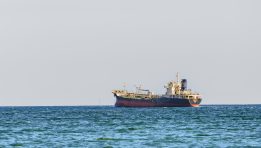
A commercial tanker traveling southeast through the Persian Gulf was struck on its port side by two unidentified projectiles late

- orshu
- •
- 7 Min Read
- •
- ago 7 hours
SKN | Oil Eases as Diplomatic Overtures Offset Escalation Fears: Can Regional Talks Deflate the Crude Premium?
Crude oil futures turned lower on Monday, November 2, 2026, as international commodity desks weighed renewed diplomatic initiatives to de-escalate
- ago 7 hours
- •
- 7 Min Read

Crude oil futures turned lower on Monday, November 2, 2026, as international commodity desks weighed renewed diplomatic initiatives to de-escalate
- Lior mor
- •
- 6 Min Read
- •
- ago 16 hours
SKN | OPEC+ Holds December Oil Targets Steady as Tougher 2027 Quota Decisions Loom
OPEC+ oil-producing countries kept their December production targets unchanged on Sunday, reinforcing expectations that the group will avoid further
- ago 16 hours
- •
- 6 Min Read
OPEC+ oil-producing countries kept their December production targets unchanged on Sunday, reinforcing expectations that the group will avoid further

- sagi habasov
- •
- 7 Min Read
- •
- ago 16 hours
SKN | Gold ETF GLD Records $1.8 Billion in October Outflows as Investor Demand Weakens
Investor demand for gold-backed exchange-traded funds is showing signs of volatility, with SPDR Gold Shares (GLD) experiencing a substantial
- ago 16 hours
- •
- 7 Min Read

Investor demand for gold-backed exchange-traded funds is showing signs of volatility, with SPDR Gold Shares (GLD) experiencing a substantial
