




- Lior mor
- •
- 7 Min Read
- •
- 5 hours ago


Key Points
- A commercial tanker transiting southeast through the Persian Gulf was struck by two unidentified projectiles on its port side roughly 72 nautical miles east of Saudi Arabia's Ras Al-Khafji late Sunday night.
- The United Kingdom Maritime Trade Operations (UKMTO) confirmed all crew are accounted for with no initial environmental damage reported, marking at least ten maritime security incidents across regional waters in three days.
- For international commodity desks and Israeli allocators, the strike reinforces structural geopolitical risk premiums across crude futures, elevates tanker war-risk insurance rates, and threatens to reignite imported inflation.
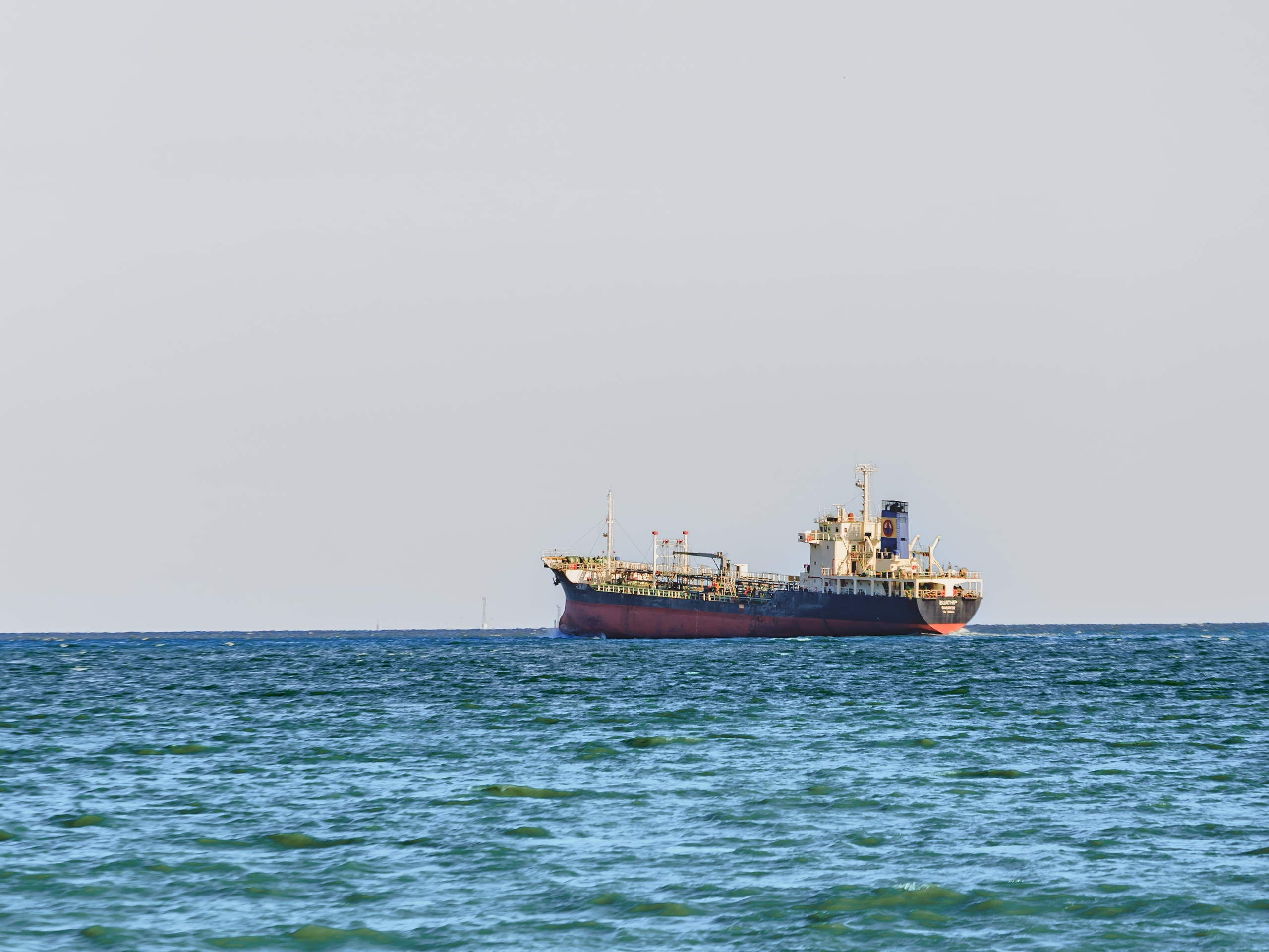
A commercial tanker traveling southeast through the Persian Gulf was struck on its port side by two unidentified projectiles late Sunday, November 1, approximately 72 nautical miles east of the Saudi Arabian coastal port of Ras Al-Khafji. The United Kingdom Maritime Trade Operations (UKMTO) agency reported that all crew members were accounted for and that no immediate environmental impact or cargo leakage had been detected following the strike, which occurred at 23:47 UTC. The incident marks the tenth maritime security event reported across the Persian Gulf, the Strait of Hormuz, and the Gulf of Oman since October 31, underscoring severe vulnerability across primary global hydrocarbon export lanes.
Maritime Chokepoint Pressures and War-Risk Surcharges
The strike off Ras Al-Khafji represents a concerning geographic broadening of maritime friction beyond the immediate Strait of Hormuz and southern Red Sea corridors. Commercial shipping monitors noted that while previous disruption was primarily concentrated around Yemeni littoral zones and Iranian coastal waters, targeting transit routes deep inside the northern Persian Gulf threatens core loading terminals serving Saudi Arabia, Kuwait, and southern Iraq. Navigational authorities immediately advised all merchant vessels to proceed through the corridor with maximum vigilance, prompting shipowners to review emergency routing and convoy protocols.
The direct financial consequence of the attack will be felt immediately in marine insurance markets. Marine underwriters are set to sharply increase war-risk breach premiums for vessels transiting the Gulf, which had already escalated following late-October proxy strikes. Elevated hull and machinery insurance costs, combined with additional crew hazard pay, directly elevate landed freight differentials for crude and refined products heading toward European and Asian discharge terminals, reinforcing a structural cost floor beneath physical energy benchmarks.
Macroeconomic Transmission and Repercussions for Israeli Allocators
The recurring attacks on Gulf commercial shipping carry significant cross-asset implications for international credit markets and Israel’s domestic financial architecture. With Brent crude trading elevated above $114 per barrel and WTI consolidating over $101, renewed security shocks in the Persian Gulf threaten to stall global disinflation trajectories. For the Bank of Israel, higher landed energy costs and elevated maritime shipping surcharges present an obstacle to domestic monetary loosening, keeping policy borrowing rates restrictive to anchor the New Israeli Shekel (NIS) against imported price volatility.
On the Tel Aviv Stock Exchange (TASE), persistent regional security premiums drive diverging sector performance. While Israel’s offshore natural gas developers benefit from elevated alternative fuel benchmarks across the Mediterranean basin, domestic industrial, transportation, and consumer retail sectors face localized margin compression from high supply-chain costs. Furthermore, persistent geopolitical premiums across regional maritime routes maintain upward pressure on sovereign credit default swaps, prompting domestic institutional asset managers to maintain short-duration debt allocations and tactical foreign-currency hedges.
Outlook: Attribution Inquiries, Transit Convoys, and Physical Pricing Spreads
Moving into upcoming sessions, commodity desks will monitor formal attribution investigations by naval task forces operating under the Combined Maritime Forces to identify the origin and classification of the projectiles. Critical metrics to watch include commercial tanker transit velocities through the northern Gulf, changes in crude tanker chartering rates, and forward guidance from OPEC+ regarding export security and spare capacity utilization. Should asymmetric strikes continue to target commercial tonnage without decisive naval deterrence, energy markets will rapidly price in an expanded war-risk premium, challenging technical resistance ceilings across global crude contracts.
Comparison, examination, and analysis between investment houses
Leave your details, and an expert from our team will get back to you as soon as possible
* This article, in whole or in part, does not contain any promise of investment returns, nor does it constitute professional advice to make investments in any particular field.
To read more about the full disclaimer, click here
- omer bar
- •
- 7 Min Read
- •
- ago 6 hours
SKN | Washington Floats Resumption of Russian Gas Transit via Ukraine: Can Geopolitical Realpolitik Reshape European Energy?
U.S. diplomatic representatives have floated a contentious proposal to restore Russian natural gas transit through Ukrainian pipeline infrastructure as part
- ago 6 hours
- •
- 7 Min Read

U.S. diplomatic representatives have floated a contentious proposal to restore Russian natural gas transit through Ukrainian pipeline infrastructure as part

- orshu
- •
- 7 Min Read
- •
- ago 6 hours
SKN | Oil Eases as Diplomatic Overtures Offset Escalation Fears: Can Regional Talks Deflate the Crude Premium?
Crude oil futures turned lower on Monday, November 2, 2026, as international commodity desks weighed renewed diplomatic initiatives to de-escalate
- ago 6 hours
- •
- 7 Min Read

Crude oil futures turned lower on Monday, November 2, 2026, as international commodity desks weighed renewed diplomatic initiatives to de-escalate

- Lior mor
- •
- 6 Min Read
- •
- ago 15 hours
SKN | OPEC+ Holds December Oil Targets Steady as Tougher 2027 Quota Decisions Loom
OPEC+ oil-producing countries kept their December production targets unchanged on Sunday, reinforcing expectations that the group will avoid further
- ago 15 hours
- •
- 6 Min Read
OPEC+ oil-producing countries kept their December production targets unchanged on Sunday, reinforcing expectations that the group will avoid further

- sagi habasov
- •
- 7 Min Read
- •
- ago 15 hours
SKN | Gold ETF GLD Records $1.8 Billion in October Outflows as Investor Demand Weakens
Investor demand for gold-backed exchange-traded funds is showing signs of volatility, with SPDR Gold Shares (GLD) experiencing a substantial
- ago 15 hours
- •
- 7 Min Read

Investor demand for gold-backed exchange-traded funds is showing signs of volatility, with SPDR Gold Shares (GLD) experiencing a substantial
