




- orshu
- •
- 7 Min Read
- •
- 7 hours ago


Key Points
- Global crude benchmarks retreated on Monday, November 2, with Brent crude easing toward $114 a barrel and WTI sliding below $102 as renewed diplomatic channels raised cautious hopes of containing Middle Eastern hostilities.
- Backchannel mediation—including direct diplomatic correspondence between Washington and Tehran—spurred modest profit-taking across energy desks following an 11% surge in Brent over October.
- For international allocators and Israeli financial markets, any durable compression in the energy risk premium eases imported inflation pressures, while persistent maritime risks keep structural floors intact.

Crude oil futures turned lower on Monday, November 2, 2026, as international commodity desks weighed renewed diplomatic initiatives to de-escalate Middle Eastern tensions against lingering physical supply risks. International benchmark Brent crude slipped over 1% toward $114.00 per barrel, while U.S. West Texas Intermediate (WTI) declined toward $101.30, pausing after an intensive rally that lifted energy contracts to multi-month highs. The retreat reflects tactical de-risking among speculative allocators following disclosures of fresh mediation frameworks between Washington, regional Arab intermediaries, and Tehran, providing temporary respite to global inflation gauges.
Backchannel Overtures Trigger Tactical Unwinding of War Premiums
The downward move in benchmark contracts gathered momentum after regional reports confirmed renewed communication channels aimed at establishing a de-escalation framework prior to the U.S. midterm elections. Direct correspondence between senior American leadership and Iranian security officials, facilitated via Qatari mediation, prompted commodity trading advisors (CTAs) to trim net-long positions accumulated during late October’s military escalation. With Tehran indicating a willingness to explore phased truce terms, systematic traders capitalized on recent price peaks to lock in profits, pushing front-month spreads off their widest levels of the quarter.
However, the energy curve’s steep backwardation indicates that structural supply tightness remains firmly embedded. While front-month contracts softened, deferred 2027 futures continue to trade at significant discounts, reflecting market recognition that near-term inventories remain unusually lean. Ongoing maritime security alerts in the Red Sea and localized strikes by regional proxies continue to keep tanker war-risk insurance premiums elevated, preventing an outright collapse in delivered physical crude pricing.
Macro Transmission Channels and Strategic Repercussions for Israeli Portfolios
The modest easing in international energy prices provides immediate cross-asset implications for global sovereign debt markets and Israeli institutional portfolios. Persistent triple-digit crude prices throughout October reinforced higher-for-longer interest rate expectations, keeping U.S. Treasury yields elevated near 4.90% to 5.00%. A sustained downward recalibration in petroleum benchmarks would alleviate cost-push price pressures across global transportation, agriculture, and manufacturing, improving the macro runway for major central banks to consider monetary easing cycles.
For the Bank of Israel and domestic capital allocators, a moderation in energy benchmarks offers welcome relief to the New Israeli Shekel (NIS) and localized inflation expectations. High imported fuel and shipping costs have constrained the domestic central bank’s latitude to lower its policy rate, compounding the economic burdens of extended regional defense expenditures. On the Tel Aviv Stock Exchange (TASE), softening oil prices tend to relieve margin compression across retail, aviation, and industrial constituents, though domestic offshore natural gas producers face an eventual normalization of export price benchmarks.
Outlook: Mediation Deadlines, Physical Chokepoints, and OPEC+ Policy
Moving through the coming sessions, energy desks will monitor whether backchannel diplomatic contacts can produce a verifiable security protocol or if negotiations falter ahead of upcoming political milestones. Key variables to track include commercial tanker transit volumes through the Strait of Hormuz, weekly inventory draws at key European and U.S. delivery hubs, and OPEC+ adherence to current output constraints without deploying emergency spare capacity. A confirmed diplomatic framework could catalyze an extended correction toward the $95-to-$100 support band, whereas any tactical breakdown in discussions would immediately invite aggressive re-entry from physical buyers looking to exploit supply deficits.
Comparison, examination, and analysis between investment houses
Leave your details, and an expert from our team will get back to you as soon as possible
* This article, in whole or in part, does not contain any promise of investment returns, nor does it constitute professional advice to make investments in any particular field.
To read more about the full disclaimer, click here
- Lior mor
- •
- 7 Min Read
- •
- ago 6 hours
SKN | Tanker Hit by Projectiles Off Saudi Coast: Will Escalating Gulf Maritime Attacks Spark an Oil Shock?
A commercial tanker traveling southeast through the Persian Gulf was struck on its port side by two unidentified projectiles late
- ago 6 hours
- •
- 7 Min Read
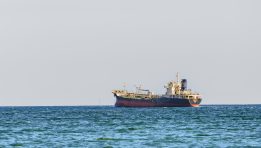
A commercial tanker traveling southeast through the Persian Gulf was struck on its port side by two unidentified projectiles late

- omer bar
- •
- 7 Min Read
- •
- ago 7 hours
SKN | Washington Floats Resumption of Russian Gas Transit via Ukraine: Can Geopolitical Realpolitik Reshape European Energy?
U.S. diplomatic representatives have floated a contentious proposal to restore Russian natural gas transit through Ukrainian pipeline infrastructure as part
- ago 7 hours
- •
- 7 Min Read

U.S. diplomatic representatives have floated a contentious proposal to restore Russian natural gas transit through Ukrainian pipeline infrastructure as part
- Lior mor
- •
- 6 Min Read
- •
- ago 16 hours
SKN | OPEC+ Holds December Oil Targets Steady as Tougher 2027 Quota Decisions Loom
OPEC+ oil-producing countries kept their December production targets unchanged on Sunday, reinforcing expectations that the group will avoid further
- ago 16 hours
- •
- 6 Min Read
OPEC+ oil-producing countries kept their December production targets unchanged on Sunday, reinforcing expectations that the group will avoid further

- sagi habasov
- •
- 7 Min Read
- •
- ago 16 hours
SKN | Gold ETF GLD Records $1.8 Billion in October Outflows as Investor Demand Weakens
Investor demand for gold-backed exchange-traded funds is showing signs of volatility, with SPDR Gold Shares (GLD) experiencing a substantial
- ago 16 hours
- •
- 7 Min Read

Investor demand for gold-backed exchange-traded funds is showing signs of volatility, with SPDR Gold Shares (GLD) experiencing a substantial
