




- omer bar
- •
- 7 Min Read
- •
- 26 seconds ago


Key Points
- Audi is planning a $4 billion assembly plant in Georgia that could produce 200,000 SUVs annually and create approximately 4,500 jobs, subject to approval by Volkswagen's supervisory board.
- Audi has said US tariffs on vehicles, steel, aluminum and parts cost the company approximately €1.2 billion in the previous year, adding pressure to its existing reliance on imports for the US market.
- While union representatives acknowledge the potential benefits of expanding US production, they want clear commitments that the investment will support jobs and value creation at Volkswagen's German facilities rather than displace them.

Audi Defends Its US Expansion Plans
Audi Chief Executive Gernot Döllner defended the company’s planned $4 billion investment in a new US assembly plant after appearing alongside President Donald Trump at a rally in Perry, Georgia, on Saturday.
Trump announced the proposed facility as he promotes his administration’s manufacturing and tariff policies ahead of the November midterm elections. The plant is expected to produce approximately 200,000 SUVs annually, although the investment still requires a final decision by Volkswagen’s supervisory board.
Döllner said the proposal followed months of planning and negotiations. He also defended his participation in the event, saying that accepting an invitation from the US president demonstrated respect for the office and the country in which the company intends to invest.
Audi has not disclosed the full details of the proposed agreement, including whether it includes tariff relief.
Tariffs Increase Pressure on Volkswagen
The planned investment comes as US trade policy creates challenges for European automakers. Audi imports all vehicles sold in the US from Europe or Mexico and has said tariffs covering vehicles, steel, aluminum and parts cost it approximately €1.2 billion, equivalent to $1.4 billion, in the previous year.
The tariffs have added to pressure on Germany’s automotive industry, where Volkswagen management and workers are already dealing with possible job reductions and plant closures. Critics of the policy argue that tariffs have also increased vehicle prices in the US and delayed investment decisions across the industry.
Establishing local production could help Audi strengthen its position in the American market. However, the proposed facility’s ultimate economic impact will depend on the investment’s structure, production plans and relationship with the company’s existing operations.
German Unions Demand Employment Guarantees
The announcement has prompted concern from IG Metall, Germany’s powerful industrial union. A union spokesperson said Döllner’s appearance alongside Trump during the election campaign was difficult to understand, arguing that the administration’s policies had placed pressure on Germany’s domestic automotive sector.
Christiane Benner, IG Metall’s leader and Volkswagen’s deputy supervisory board chair, said improving Volkswagen’s position in the US market was necessary but stressed that employment prospects at all company locations, particularly in Germany, needed to be clearly established.
Olaf Lies, premier of Lower Saxony, Volkswagen’s second-largest shareholder, similarly said that US expansion should create benefits for German workers rather than displace domestic employment and value creation.
The debate highlights a central challenge for multinational manufacturers: expanding production in a major overseas market while maintaining industrial capacity and workforce commitments at home.
Georgia Investment Could Expand US Production
Audi said construction of the proposed Georgia facility is scheduled to begin next year, with production expected to start in the early 2030s. The plant is expected to assemble the Audi Q7, Q8 and Q9 SUV models, according to a US official cited by Reuters.
Separately, Audi plans to produce approximately 25,000 vehicles annually in neighboring South Carolina. Those vehicles would be assembled at Volkswagen’s $2 billion Scout Motors facility under construction in Blythewood, near Columbia. Some vehicles currently manufactured in Europe would be exported, the official said.
Volkswagen Chief Executive Oliver Blume described the US as a key market for profitable growth and said a potential Audi plant would create further conditions for expansion.
What Investors Should Watch Next
The immediate milestone is a final investment decision by Volkswagen’s supervisory board. Investors and workers will also be watching for details on the proposed agreement, including any tariff arrangements, production commitments and safeguards for employment at German facilities.
The project could strengthen Audi’s manufacturing presence in the US, but its broader implications will depend on whether the company can balance local production requirements, tariff exposure, capital spending and employment commitments across its global operations.
Comparison, examination, and analysis between investment houses
Leave your details, and an expert from our team will get back to you as soon as possible
* This article, in whole or in part, does not contain any promise of investment returns, nor does it constitute professional advice to make investments in any particular field.
To read more about the full disclaimer, click here
- omer bar
- •
- 7 Min Read
- •
- ago 2 days
SKN | American Express to Cut 5% of Workforce as It Restructures for AI Adoption
American Express Plans Workforce Restructuring American Express announced plans to eliminate around 5% of its global workforce as the credit
- ago 2 days
- •
- 7 Min Read

American Express Plans Workforce Restructuring American Express announced plans to eliminate around 5% of its global workforce as the credit
- omer bar
- •
- 6 Min Read
- •
- ago 3 days
SKN | Meta Shares Reverse Gains After Strong Earnings, Erasing $240 Billion in Market Value
Meta Platforms experienced a dramatic reversal in its share price after reporting stronger-than-expected earnings, illustrating the increasingly demanding expectations
- ago 3 days
- •
- 6 Min Read

Meta Platforms experienced a dramatic reversal in its share price after reporting stronger-than-expected earnings, illustrating the increasingly demanding expectations

- Lior mor
- •
- 6 Min Read
- •
- ago 4 days
SKN | Southwest Airlines lowered its 2026 profit forecast as rising fuel costs offset gains from its turnaround strategy.
Southwest Airlines has sharply reduced its 2026 profit outlook as soaring fuel costs erode the benefits of higher fares and
- ago 4 days
- •
- 6 Min Read
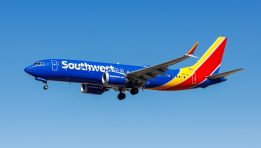
Southwest Airlines has sharply reduced its 2026 profit outlook as soaring fuel costs erode the benefits of higher fares and
- omer bar
- •
- 8 Min Read
- •
- ago 4 days
SKN | United Airlines Cuts 2026 Profit Outlook as Rising Fuel Costs Pressure Earnings
United Lowers Earnings Expectations for 2026 United Airlines has reduced its profit outlook as elevated fuel prices increase operating expenses,
- ago 4 days
- •
- 8 Min Read
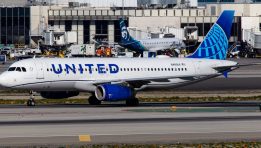
United Lowers Earnings Expectations for 2026 United Airlines has reduced its profit outlook as elevated fuel prices increase operating expenses,
