





- Arik Arkadi Sluzki
- •
- 6 Min Read
- •
- 25 seconds ago


Key Points
- The TA-125 fell 1.38% over the past week, closing at 4,034.99 on October 23, as selling pressure intensified toward the end of the period.
- Despite the weekly decline, the index remained up 23.13% over one year and 110.01% over five years, highlighting the scale of its longer-term advance.
- The near-term outlook will depend on earnings expectations, interest-rate conditions, geopolitical developments and the shekel’s direction.

The Israeli equity market ended the week on a weaker footing, with the TA-125 declining 1.38% over the five trading days to October 23. The index closed at 4,034.99, down 32.92 points, or 0.81%, in the latest session, reflecting a loss of momentum after a period of substantial longer-term gains. The pullback comes against a broader backdrop in which interest-rate expectations, geopolitical uncertainty and currency movements remain important considerations for investors assessing Israeli assets.
Late-Week Selling Reverses Part of the Index’s Advance
The TA-125’s weekly performance indicates that selling pressure outweighed earlier periods of resilience. The index had closed at 4,067.91 in the previous session before falling to 4,034.99, with the latest session’s trading range extending from 4,012.10 to 4,066.41. The decline brought the benchmark closer to the lower end of its recent trading range, suggesting that investors were less willing to maintain exposure at prevailing prices.
However, a single week of losses does not necessarily signal a sustained change in direction. Short-term moves can reflect profit-taking, shifts in global risk appetite or adjustments to expectations about interest rates and corporate earnings. The more significant question is whether weakness persists in subsequent sessions or gives way to renewed demand for Israeli equities.
Long-Term Returns Remain Strong, but Valuation Matters
Despite the recent setback, the TA-125’s longer-term performance remains positive. The index gained 23.13% over the past year and 110.01% over five years, while its reported maximum-period advance reached 2.24K%. These figures underline the strength of its historical rise, but they also make the sustainability of earnings growth and current valuations important considerations.
For institutional investors, including Israeli pension funds and global asset allocators, the distinction between long-term performance and near-term risk is critical. Strong historical returns may support confidence in the market’s underlying resilience, but they do not guarantee further gains. If corporate earnings disappoint or financing conditions remain restrictive, valuations could come under additional pressure.
Interest Rates, Geopolitics and Currency Risks Shape the Outlook
The next phase for Israeli equities will depend partly on domestic monetary conditions and the external environment. Changes in expectations for Bank of Israel policy can influence borrowing costs, property-related activity and the valuation of companies whose earnings are sensitive to economic growth. Meanwhile, geopolitical developments may affect risk premiums, business confidence and foreign investor participation.
Currency volatility is another factor to monitor. Changes in the shekel against major currencies can influence overseas investors’ returns and affect Israeli companies with substantial foreign revenues or imported costs. Global equity-market weakness, higher bond yields or renewed regional tensions could deepen the pressure, while improving earnings visibility and a more stable macroeconomic environment could help restore confidence.
Looking ahead, investors will be watching whether the TA-125 can stabilize above recent lows, alongside company earnings, interest-rate signals, shekel movements and geopolitical developments. A recovery is possible, but confirmation would require more than a single positive session. Conversely, continued weakness could indicate that investors are reassessing risk after the index’s substantial longer-term advance.
Comparison, examination, and analysis between investment houses
Leave your details, and an expert from our team will get back to you as soon as possible
* This article, in whole or in part, does not contain any promise of investment returns, nor does it constitute professional advice to make investments in any particular field.
To read more about the full disclaimer, click here
- sagi habasov
- •
- 6 Min Read
- •
- ago 49 minutes
SKN | TA-RealEstate Rises for a Second Week, but Longer-Term Pressure Remains
The Israeli real estate sector recorded a positive week, with the TA-RealEstate Index rising 1.65% to 1,405.26, according to
- ago 49 minutes
- •
- 6 Min Read

The Israeli real estate sector recorded a positive week, with the TA-RealEstate Index rising 1.65% to 1,405.26, according to

- orshu
- •
- 6 Min Read
- •
- ago 1 hour
SKN | TA Banks 5 Weekly Review: Israeli Banking Stocks Pull Back as Investors Weigh Growth and Valuation Risks
The TA Banks 5 index ended the week ending October 23, 2026, under pressure, highlighting a pause in the
- ago 1 hour
- •
- 6 Min Read
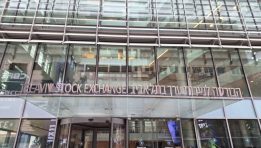
The TA Banks 5 index ended the week ending October 23, 2026, under pressure, highlighting a pause in the

- Ronny Mor
- •
- 6 Min Read
- •
- ago 2 hours
SKN | TA-SME60 Weekly Review: Israeli Small-Caps Remain Under Pressure as Medium-Term Returns Weaken
The TA-SME60 ended the week of October 19–23, 2026, at 1,272.44 points, down 2.06 points, or 0.16%, in the
- ago 2 hours
- •
- 6 Min Read

The TA-SME60 ended the week of October 19–23, 2026, at 1,272.44 points, down 2.06 points, or 0.16%, in the

- omer bar
- •
- 6 Min Read
- •
- ago 2 hours
SKN | KOSPI Recovers Late Losses as Tech Rebound Tempers a Volatile Week
South Korea’s benchmark KOSPI Composite Index finished the week ending October 23, 2026, on an uneven footing, posting a
- ago 2 hours
- •
- 6 Min Read

South Korea’s benchmark KOSPI Composite Index finished the week ending October 23, 2026, on an uneven footing, posting a

