





- orshu
- •
- 6 Min Read
- •
- 3 minutes ago


Key Points
- The TA Banks 5 index fell 0.56% over the week ending October 23, closing at 8,858.29 after declining 0.78% in the latest session.
- The weekly retreat followed a period of longer-term gains, with the index still up 19.43% over one year and 185.48% over five years.
- The outlook for Israeli bank stocks will depend on credit quality, interest-rate expectations, domestic economic conditions and geopolitical risk.
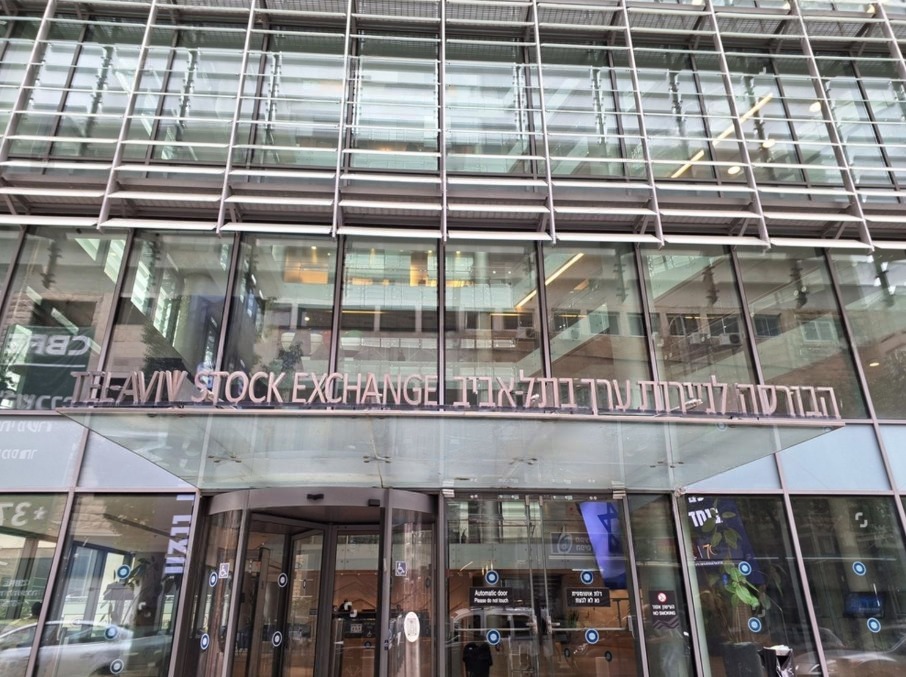
The TA Banks 5 index ended the week ending October 23, 2026, under pressure, highlighting a pause in the performance of Israel’s major banking shares after substantial longer-term appreciation. Although the weekly decline was relatively limited, the movement comes as investors assess the balance between banks’ earnings potential, credit risks and the broader economic outlook.
Weekly Performance Signals a Pause After Strong Gains
The index closed at 8,858.29 points, down 69.89 points, or 0.78%, in the latest session. Its weekly performance was negative by 0.56%, while the reported monthly change stood at 1.85%. The index traded within a daily range of 8,821.41 to 8,973.14 points, indicating that selling pressure persisted despite periods of relative stability during the week.
The pullback remains modest compared with the index’s longer-term advance. The TA Banks 5 was up 19.43% over 12 months and 185.48% over five years. These gains underline the sector’s importance within the Israeli equity market, but they also make valuation discipline increasingly relevant. Following a prolonged rally, even moderate changes in earnings expectations, funding costs or perceived risk can prompt investors to reassess share prices.
Bank Earnings Remain Linked to Israel’s Economic Outlook
The performance of Israeli bank stocks depends on several interconnected factors, including loan demand, deposit costs, credit provisions and the difference between lending and funding rates. A resilient domestic economy could support borrowing activity and repayment capacity, while improving business confidence may help sustain demand for financial services. However, slower economic activity or pressure on household and corporate finances could increase provisions for potential credit losses.
Interest-rate expectations are another important influence. Higher rates can support lending margins under certain conditions, but they may also raise funding costs and weaken borrowers’ ability to service debt. Conversely, lower rates could ease pressure on households and businesses while compressing margins if lending yields adjust faster than deposit costs. The net effect will depend on each bank’s balance sheet, deposit structure and loan portfolio.
Risks and Opportunities for the Weeks Ahead
Trading activity also warrants attention. Reported weekly volume was approximately 18.35 million shares or units, compared with a three-month average of about 9.04 million. Because the screenshot does not establish the exact relationship between these volume measures or the causes of trading activity, the difference should not be interpreted on its own as proof of institutional selling or a change in market conviction.
For Israeli and international investors, banking-sector performance also reflects broader market conditions. Geopolitical developments can influence risk premiums, business confidence and credit demand, while shekel volatility may affect the wider investment environment. Fiscal pressures and uncertainty surrounding economic growth could further complicate the outlook.
Looking ahead, investors will be watching bank earnings, credit-quality indicators, interest-rate signals and developments in Israel’s economy. A stabilisation in prices could emerge if earnings remain resilient and uncertainty moderates, but further weakness remains possible if credit risks rise or valuations come under renewed pressure. The index’s substantial longer-term gains provide context, not a guarantee of continued performance.
Comparison, examination, and analysis between investment houses
Leave your details, and an expert from our team will get back to you as soon as possible
* This article, in whole or in part, does not contain any promise of investment returns, nor does it constitute professional advice to make investments in any particular field.
To read more about the full disclaimer, click here
- Ronny Mor
- •
- 6 Min Read
- •
- ago 30 minutes
SKN | TA-SME60 Weekly Review: Israeli Small-Caps Remain Under Pressure as Medium-Term Returns Weaken
The TA-SME60 ended the week of October 19–23, 2026, at 1,272.44 points, down 2.06 points, or 0.16%, in the
- ago 30 minutes
- •
- 6 Min Read

The TA-SME60 ended the week of October 19–23, 2026, at 1,272.44 points, down 2.06 points, or 0.16%, in the

- omer bar
- •
- 6 Min Read
- •
- ago 56 minutes
SKN | KOSPI Recovers Late Losses as Tech Rebound Tempers a Volatile Week
South Korea’s benchmark KOSPI Composite Index finished the week ending October 23, 2026, on an uneven footing, posting a
- ago 56 minutes
- •
- 6 Min Read

South Korea’s benchmark KOSPI Composite Index finished the week ending October 23, 2026, on an uneven footing, posting a

- Lior mor
- •
- 6 Min Read
- •
- ago 2 hours
SKN | Japanese Yen Index Firms on Monetary Shift Speculation Despite Late Consolidation
The Japanese Yen Currency Index finished the week ending October 23, 2026, on a firm footing, posting a five-day
- ago 2 hours
- •
- 6 Min Read

The Japanese Yen Currency Index finished the week ending October 23, 2026, on a firm footing, posting a five-day

- Arik Arkadi Sluzki
- •
- 6 Min Read
- •
- ago 2 hours
SKN | Australian Dollar Currency Index Advances as Policy Divergence Anchors Commodity FX
The Australian Dollar Currency Index finished the week ending October 23, 2026, on a firm footing, posting a five-day
- ago 2 hours
- •
- 6 Min Read

The Australian Dollar Currency Index finished the week ending October 23, 2026, on a firm footing, posting a five-day

