





- Arik Arkadi Sluzki
- •
- 6 Min Read
- •
- 27 seconds ago


Key Points
- The Australian Dollar Currency Index (^XDA) rose approximately 1.28% over the five-trading-day period, ending the week at 70.36.
- The index gained 0.26% (0.18 points) in Friday’s session, consolidating near the upper boundary of its 52-week range of 35.01 to 72.73.
- The near-term trajectory hinges on Reserve Bank of Australia policy signals, commodity export pricing, and global yield differentials.
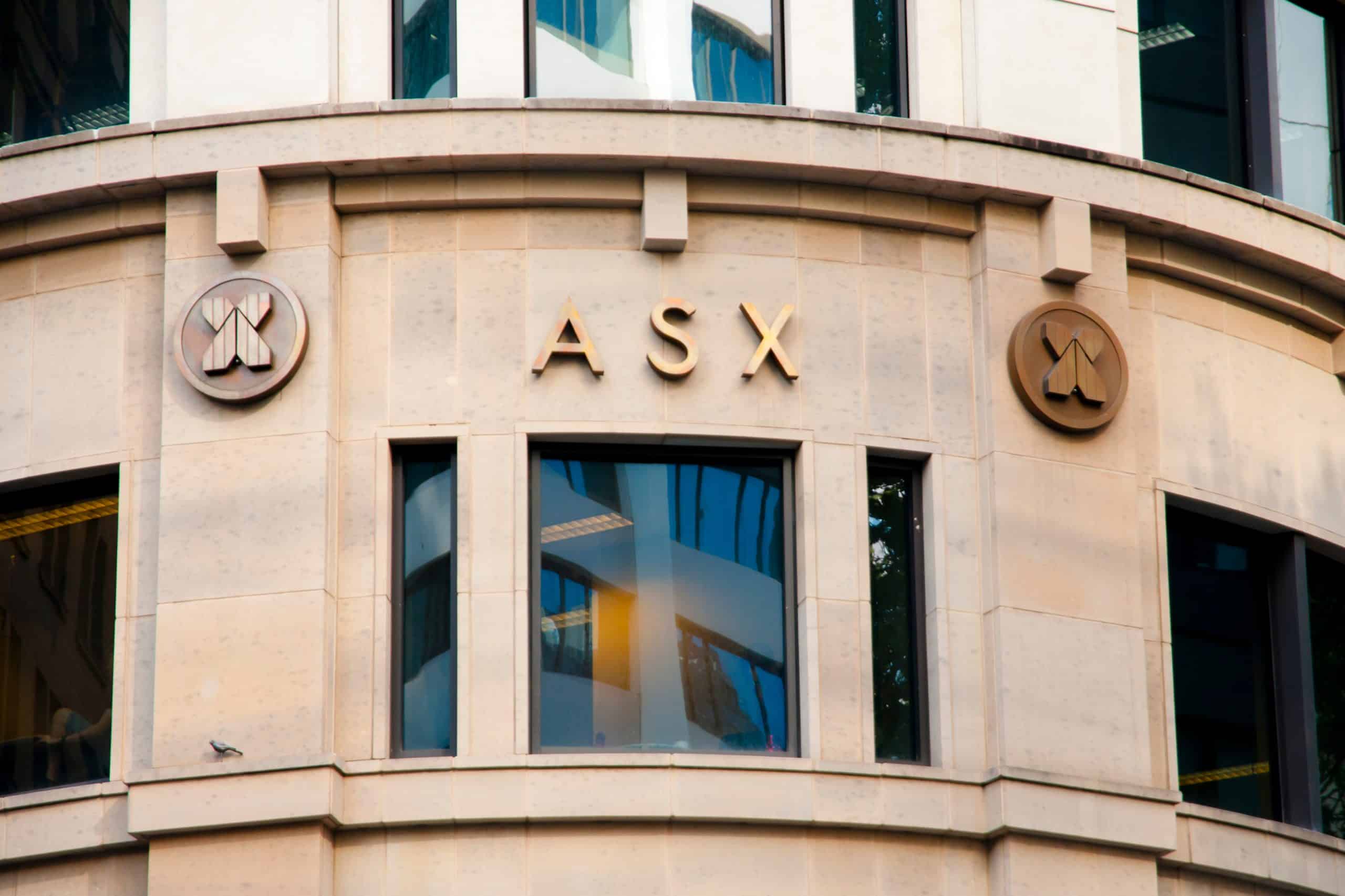
The Australian Dollar Currency Index finished the week ending October 23, 2026, on a firm footing, posting a five-day gain of approximately 1.28%. The index closed Friday at 70.36, rising 0.18 points, or 0.26%, in the final session as persistent commodity demand and supportive rate expectations underpinned the currency. The weekly performance highlights foreign exchange markets balancing domestic monetary resilience against broader macroeconomic uncertainties.
Midweek Momentum Meets Late-Week Consolidation
The currency index demonstrated steady upward momentum across the period. After establishing support near the 70.00 mark early in the week, buying interest accelerated midweek, lifting the currency into a higher trading channel. During Friday’s trade, the benchmark opened at 70.21, touched an intraday trough of 70.15, and tested a session peak of 70.64 before settling at 70.36, comfortably above Thursday’s close of 70.18.
The price action reveals persistent institutional demand on dips, reflecting baseline confidence in the currency’s yield advantage. However, the pullback from Friday’s high of 70.64 suggests that market participants exercised discipline near key technical resistance. Investors are evaluating whether this upward trajectory represents sustained institutional accumulation or tactical repositioning ahead of central-bank updates.
Monetary Divergence, Commodity Drivers, and Downside Risks
The Australian dollar’s resilience is closely linked to expectations surrounding the Reserve Bank of Australia’s monetary stance relative to its global peers. While several major central banks have initiated easing cycles, persistent domestic inflation has kept Australian interest-rate expectations elevated. This positive yield differential, combined with steady industrial commodity valuations, has provided significant support.
Nevertheless, downside risks remain notable. Potential deceleration in Chinese industrial demand poses a direct threat to export revenues, while broader geopolitical tensions and energy volatility could trigger risk-off capital flows. For global allocators, tracking these external catalysts is crucial, as shifts in global sentiment can quickly offset favorable rate differentials.
What the Index Signals for the Week Ahead
The benchmark’s 52-week range of 35.01 to 72.73 demonstrates that the index trades within the upper tier of its annual range. While holding above the 70.00 threshold provides a solid floor, challenging the 52-week high of 72.73 will require sustained global risk appetite.
Looking ahead, market participants will monitor upcoming Australian inflation prints, regional trade data, and central-bank guidance. For Israeli institutional investors and portfolio allocators, the Australian dollar offers strategic diversification as a liquid proxy for commodity markets and global trade flows. Israeli pension and provident funds evaluating Asia-Pacific currency exposure must weigh attractive yield differentials against potential AUD/ILS exchange volatility and Bank of Israel monetary shifts. While the currency’s yield advantage provides baseline stability, disciplined currency hedging and rigorous risk monitoring remain essential for managing multi-asset portfolios in an unpredictable macroeconomic environment.
Comparison, examination, and analysis between investment houses
Leave your details, and an expert from our team will get back to you as soon as possible
* This article, in whole or in part, does not contain any promise of investment returns, nor does it constitute professional advice to make investments in any particular field.
To read more about the full disclaimer, click here
- sagi habasov
- •
- 6 Min Read
- •
- ago 12 minutes
SKN | SSE Composite Rebounds Off 52-Week Lows as Late Buying Tempers Weekly Decline
China’s benchmark SSE Composite Index concluded the week ending October 23, 2026, with a contained five-day decline of approximately
- ago 12 minutes
- •
- 6 Min Read

China’s benchmark SSE Composite Index concluded the week ending October 23, 2026, with a contained five-day decline of approximately
- sagi habasov
- •
- 6 Min Read
- •
- ago 11 hours
SKN | Boeing 777 Freighter Production Halted by Supplier Dispute as Costs Mount
Boeing is facing another production disruption after a dispute with a small Florida-based supplier halted manufacturing of its 777
- ago 11 hours
- •
- 6 Min Read

Boeing is facing another production disruption after a dispute with a small Florida-based supplier halted manufacturing of its 777

- Lior mor
- •
- 6 Min Read
- •
- ago 13 hours
SKN | U.S. Business Activity Cools as Strong Demand Fuels Fresh Price Pressures
U.S. business activity slowed modestly in October, but resilient demand allowed companies to raise prices for goods and services,
- ago 13 hours
- •
- 6 Min Read

U.S. business activity slowed modestly in October, but resilient demand allowed companies to raise prices for goods and services,

- omer bar
- •
- 6 Min Read
- •
- ago 13 hours
SKN | Volkswagen Workers Threaten Strikes as Wage Dispute Deepens Restructuring Pressure
Volkswagen faces renewed labor tensions in Germany after workers threatened strikes from January unless the automaker reverses its recent
- ago 13 hours
- •
- 6 Min Read

Volkswagen faces renewed labor tensions in Germany after workers threatened strikes from January unless the automaker reverses its recent

