




- omer bar
- •
- 8 Min Read
- •
- 15 seconds ago


Key Points
- Brent crude rose 0.47% to $110.07 per barrel, while U.S. WTI futures for November delivery gained 0.36% to $104.03 amid heightened geopolitical concerns.
- Reported vessel attacks in the Gulf and Houthi claims of strikes against Saudi energy and transport infrastructure have reinforced concerns about potential disruptions to regional oil supplies.
- Russian crude production increased in September, but traders remain focused on risks to Gulf energy infrastructure and the potential for further supply disruptions.
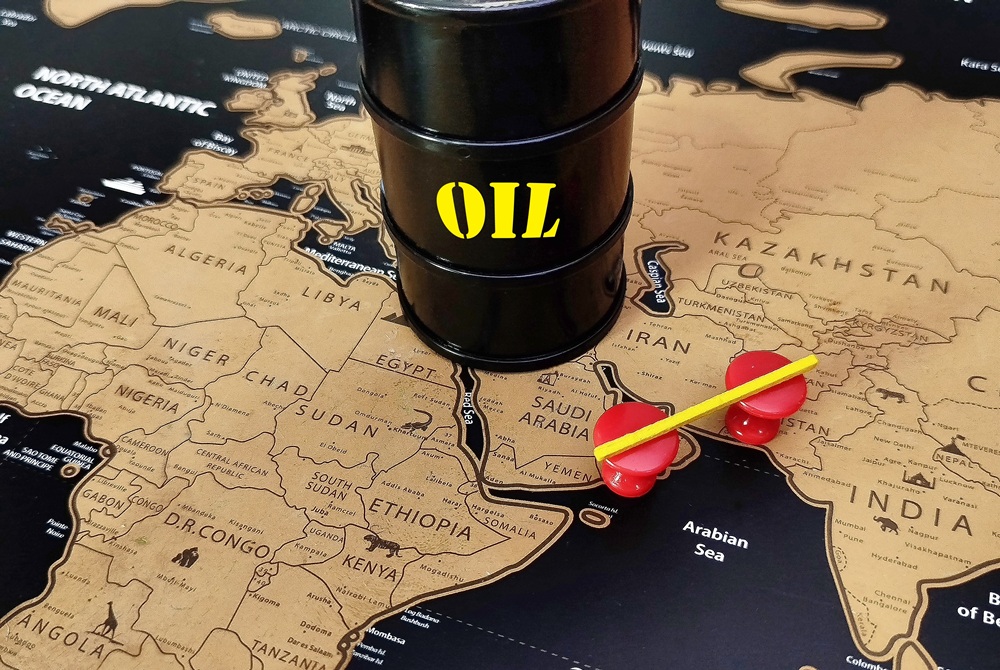
Brent Crude Nears a Five-Month High
Oil prices advanced on Tuesday as traders continued to factor geopolitical risks into energy markets. Brent crude futures rose 52 cents, or 0.47%, to $110.07 per barrel by 0628 GMT, after reaching $110.70 in the previous session, its highest level since May 20.
U.S. West Texas Intermediate crude futures for November delivery, which were due to expire on Tuesday, increased 0.36% to $104.03 per barrel. The more actively traded December contract rose 26 cents, or 0.26%, to $98.80.
The price movements reflect continuing concern about the security of energy infrastructure and maritime transport across the Middle East. With both major benchmarks trading at elevated levels, market participants are assessing the potential consequences of further regional escalation.
Analysts at ING said oil remained well supported by a significant geopolitical risk premium. They noted that this premium could gradually diminish if oil flows continued without interruption, although the prevailing situation had yet to provide clear evidence of such a normalization.
Houthi Claims Raise Concerns Over Saudi Energy Infrastructure
Geopolitical tensions intensified after Yemen’s Iran-aligned Houthi group said on Monday that it had launched attacks against several Saudi energy, airport, and military targets. The locations named included an Aramco site in Yanbu, the Shaybah oilfield, King Khalid International Airport in Riyadh, and Abha airport.
Saudi authorities had not immediately confirmed the claims, and Reuters could not independently verify them. The reported attacks nevertheless added to concerns about the vulnerability of energy infrastructure in a region central to global oil supply.
Separately, at least 18 vessels were reportedly attacked over a two-week period, according to ship-tracking company Kpler. The reports have sustained concerns about maritime security and the potential for disruptions to crude oil shipments.
The attacks come amid broader regional instability. A separate Houthi attack on a training camp for government security forces in Yemen’s Shabwa province reportedly killed 58 people and injured more than 200 on Monday.
For oil markets, the key concern is whether the security situation begins to affect physical supply flows rather than remaining primarily a source of risk-related price premiums.
U.S. Inventories and Russian Supply Add to Market Uncertainty
In the United States, crude oil inventories were expected to have declined in the previous week, alongside refined product stockpiles, according to a preliminary Reuters poll published on Monday. The anticipated drawdown could provide additional support to prices, although the report did not include confirmed inventory figures.
Developments in U.S. policy toward Russian energy exports also remain relevant. President Donald Trump’s executive order on Friday waived key Russia-related sanctions and tariffs, including certain duties and penalties associated with purchases of Russian energy. However, Trump said on Saturday that a final decision had not been announced, while Secretary of State Marco Rubio indicated that officials needed more time to evaluate the situation.
Russia’s crude oil production increased by 65,000 barrels per day in September to 8.43 million barrels per day, according to the International Energy Agency. Production nevertheless remained approximately 870,000 barrels per day below its level a year earlier.
Although the prospect of additional Russian diesel supplies could ease some market pressure, analysts indicated that traders remained more concerned about the risk of further damage to energy infrastructure across the Gulf region.
What Investors Should Watch Next
The near-term direction of oil prices will depend on whether geopolitical tensions escalate, whether reported attacks affect actual supply flows, and whether U.S. inventory data confirms a tightening market.
Sustained oil shipments without significant disruption could gradually reduce the geopolitical premium embedded in prices. Conversely, damage to critical infrastructure or interruptions to maritime transport could reinforce upward pressure on crude benchmarks.
Investors should also monitor developments in U.S. policy toward Russian energy, as well as changes in Russian production and refined product availability. These factors could influence the balance between supply risks in the Middle East and potential sources of additional energy supply.
Comparison, examination, and analysis between investment houses
Leave your details, and an expert from our team will get back to you as soon as possible
* This article, in whole or in part, does not contain any promise of investment returns, nor does it constitute professional advice to make investments in any particular field.
To read more about the full disclaimer, click here
- Lior mor
- •
- 7 Min Read
- •
- ago 10 hours
SKN | Crude Oil Rises Above $103 as Middle East Tensions Threaten Global Supply
Oil Prices Climb as Supply Risks Increase Crude oil prices advanced to a more than one-month high on Monday as
- ago 10 hours
- •
- 7 Min Read

Oil Prices Climb as Supply Risks Increase Crude oil prices advanced to a more than one-month high on Monday as

- sagi habasov
- •
- 7 Min Read
- •
- ago 21 hours
SKN | Japan Electricity Prices Jump 25% as LNG and Coal Costs Rise Ahead of Winter
Japan’s Electricity Market Faces Rising Fuel Costs Japan’s average wholesale electricity price climbed more than 25% at the start of
- ago 21 hours
- •
- 7 Min Read

Japan’s Electricity Market Faces Rising Fuel Costs Japan’s average wholesale electricity price climbed more than 25% at the start of

- omer bar
- •
- 9 Min Read
- •
- ago 21 hours
SKN | Oil Prices Ease From Five-Month High as Strait of Hormuz Disruptions Sustain Supply Risks
Oil Prices Pull Back After Recent Rally Oil prices declined on Monday as investors booked profits following a rally that
- ago 21 hours
- •
- 9 Min Read

Oil Prices Pull Back After Recent Rally Oil prices declined on Monday as investors booked profits following a rally that
- Lior mor
- •
- 9 Min Read
- •
- ago 4 days
SKN | U.S. Crude Oil Surge Above $100 as Iran Attacks Strait of Hormuz and Ukraine Threatens Russian Refineries
Crude Oil Rallies as Geopolitical Risks Intensify Oil prices climbed sharply on Friday as escalating attacks involving Iran and renewed
- ago 4 days
- •
- 9 Min Read

Crude Oil Rallies as Geopolitical Risks Intensify Oil prices climbed sharply on Friday as escalating attacks involving Iran and renewed
