





- omer bar
- •
- 7 Min Read
- •
- 14 seconds ago


Key Points
- The U.S. Strategic Petroleum Reserve held approximately 283 million barrels at the end of September 2026, around 40% of its authorized capacity of 714 million barrels.
- A lower reserve does not automatically trigger an energy crisis, but it reduces the volume of emergency crude available to respond to major supply disruptions.
- Ongoing releases, replenishment costs and geopolitical risks are increasing the importance of balancing short-term market support with long-term energy security.
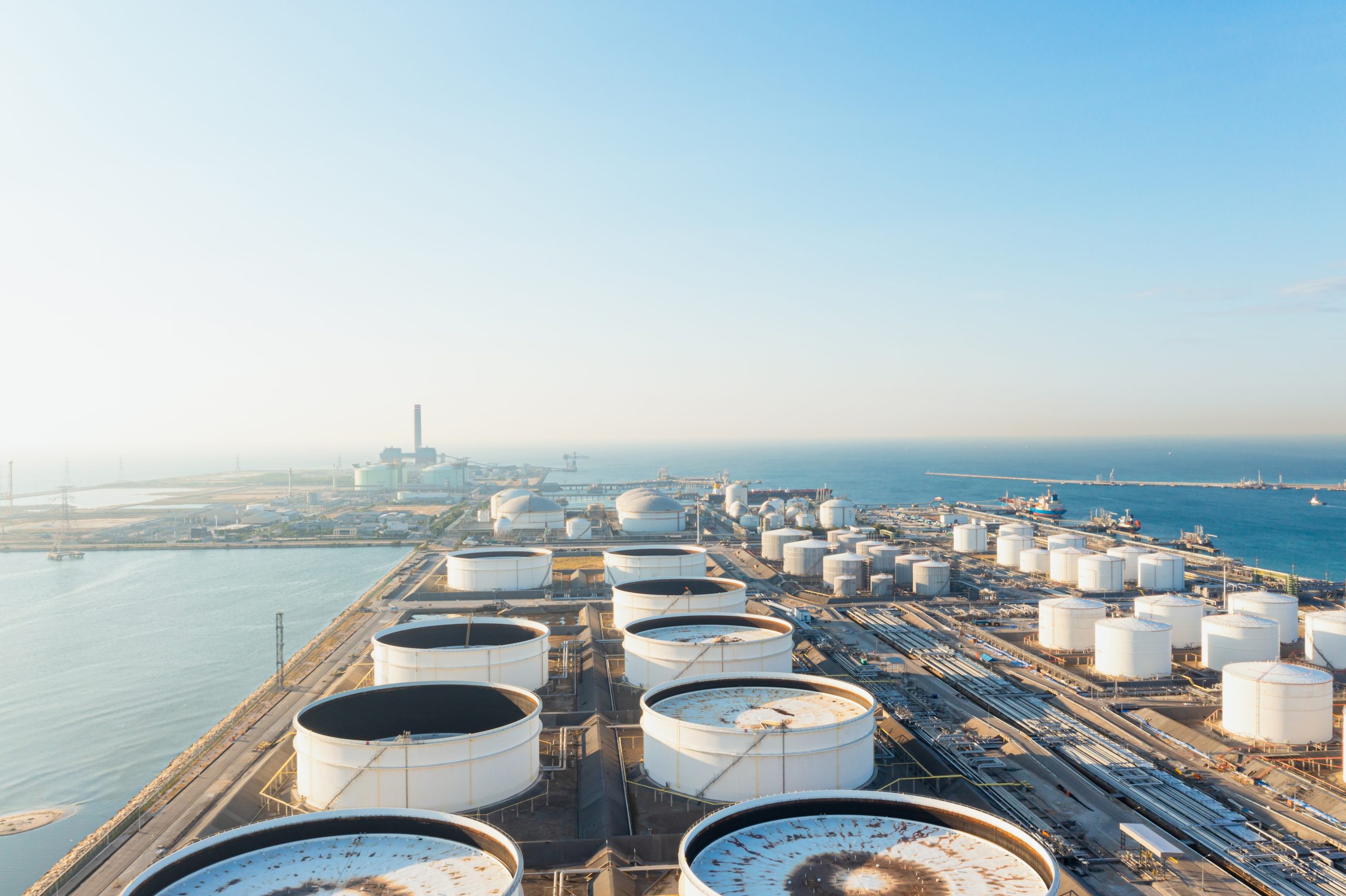
The U.S. Strategic Petroleum Reserve (SPR) is facing renewed scrutiny as geopolitical tensions and disruptions to global oil flows test the resilience of energy markets. As of September 30, 2026, the reserve contained approximately 283 million barrels, leaving it well below its authorized capacity of 714 million barrels. The central question is not whether the reserve can fall to a particular minimum, but how much protection it can provide if a prolonged supply shock coincides with limited alternatives.
How Much Oil Is Actually Available?
The SPR stores crude oil in underground salt caverns along the U.S. Gulf Coast, near major refining and distribution infrastructure. Its authorized capacity of 714 million barrels represents the maximum storage volume, not a mandatory operating target or a guarantee that every barrel can be delivered immediately. At 283 million barrels, the reserve was holding roughly 40% of that capacity at the end of September.
The practical value of the remaining inventory depends on how quickly crude can be released, the condition of the infrastructure and the ability of refineries to process the available oil grades. A large reserve can provide meaningful relief during a temporary disruption, but even substantial stocks may offer limited protection if several major supply routes remain impaired for months. There is no single official inventory threshold at which the SPR becomes ineffective; its usefulness depends on the scale and duration of the emergency.
Why Falling Inventories Matter for Oil Prices
Emergency stockpiles are intended to help bridge temporary supply gaps, rather than permanently replace lost production. In March 2026, the United States committed to releasing 172 million barrels as part of a coordinated international effort involving 400 million barrels of oil and petroleum products. The scale of that commitment illustrates how governments can use strategic inventories to help stabilize markets during exceptional disruptions.
However, releases cannot guarantee lower oil prices. Crude prices also respond to production decisions, global demand, shipping constraints, refinery capacity and expectations about future supply. If inventories decline while geopolitical risks persist, traders may place greater emphasis on the limited buffer available for another emergency. Commercial oil stocks and domestic production can provide additional support, but they do not eliminate the strategic value of government-held reserves.
The Challenge of Rebuilding the Reserve
Replenishing the SPR involves a difficult balance between price, timing and preparedness. Buying crude when prices are elevated can increase the cost of rebuilding stocks, while delaying purchases leaves the reserve more exposed to another disruption. The government must also account for delivery schedules, storage capacity and the technical requirements of the system.
The issue extends beyond the United States. Higher global oil prices can increase fuel, transportation and production costs internationally, affecting inflation and economic activity. For Israel, which relies heavily on imported energy, renewed oil-market volatility can influence domestic fuel costs and broader inflation pressures.
The next indicators to watch are weekly SPR inventory figures, the pace of replenishment, commercial crude stocks and developments affecting major oil-producing regions and shipping routes. If supply conditions improve, rebuilding stocks may become easier; if disruptions deepen, policymakers could face renewed pressure to release more oil. The reserve’s true limit will ultimately be determined by whether its remaining inventory and delivery capacity can meet the demands of the next major supply shock.
Comparison, examination, and analysis between investment houses
Leave your details, and an expert from our team will get back to you as soon as possible
* This article, in whole or in part, does not contain any promise of investment returns, nor does it constitute professional advice to make investments in any particular field.
To read more about the full disclaimer, click here
- omer bar
- •
- 7 Min Read
- •
- ago 32 minutes
SKN | Oil Prices Fall as Russia–Ukraine Energy Ceasefire Raises Supply Hopes
Oil prices slipped on Monday as markets assessed whether a proposed Russia–Ukraine energy ceasefire could ease supply constraints and increase
- ago 32 minutes
- •
- 7 Min Read

Oil prices slipped on Monday as markets assessed whether a proposed Russia–Ukraine energy ceasefire could ease supply constraints and increase

- Arik Arkadi Sluzki
- •
- 7 Min Read
- •
- ago 14 hours
SKN | Gold Prices Surge While ETF Holdings Decline: Is the Rally Losing Investor Support?
Gold markets are showing a notable divergence: the spot price has risen sharply, while total known gold ETF holdings
- ago 14 hours
- •
- 7 Min Read

Gold markets are showing a notable divergence: the spot price has risen sharply, while total known gold ETF holdings

- Lior mor
- •
- 8 Min Read
- •
- ago 14 hours
SKN | European Gold ETF Demand Surges by 125 Tonnes as Investors Reassess Gold Exposure
European investors are increasing their exposure to gold through exchange-traded funds, with reported year-to-date flows from the United Kingdom,
- ago 14 hours
- •
- 8 Min Read

European investors are increasing their exposure to gold through exchange-traded funds, with reported year-to-date flows from the United Kingdom,

- Ronny Mor
- •
- 9 Min Read
- •
- ago 15 hours
SKN | China Extends Gold-Buying Streak to 23 Months as Central Bank Demand Reshapes Global Reserves
China is continuing to expand its official gold reserves as central banks reassess how they allocate assets amid geopolitical
- ago 15 hours
- •
- 9 Min Read

China is continuing to expand its official gold reserves as central banks reassess how they allocate assets amid geopolitical

