





- sagi habasov
- •
- 6 Min Read
- •
- 7 seconds ago


Key Points
- Minutes from the Bank of Japan’s July 30–31 meeting show several policymakers saw a need to accelerate rate hikes as inflation risks increased.
- The BOJ held its policy rate at 1.0% in July, but subsequently raised it to 1.25% in September, the highest level in 31 years.
- Policymakers increasingly focused on upside inflation risks, with one member warning that the cost of waiting to raise rates was no longer marginal.
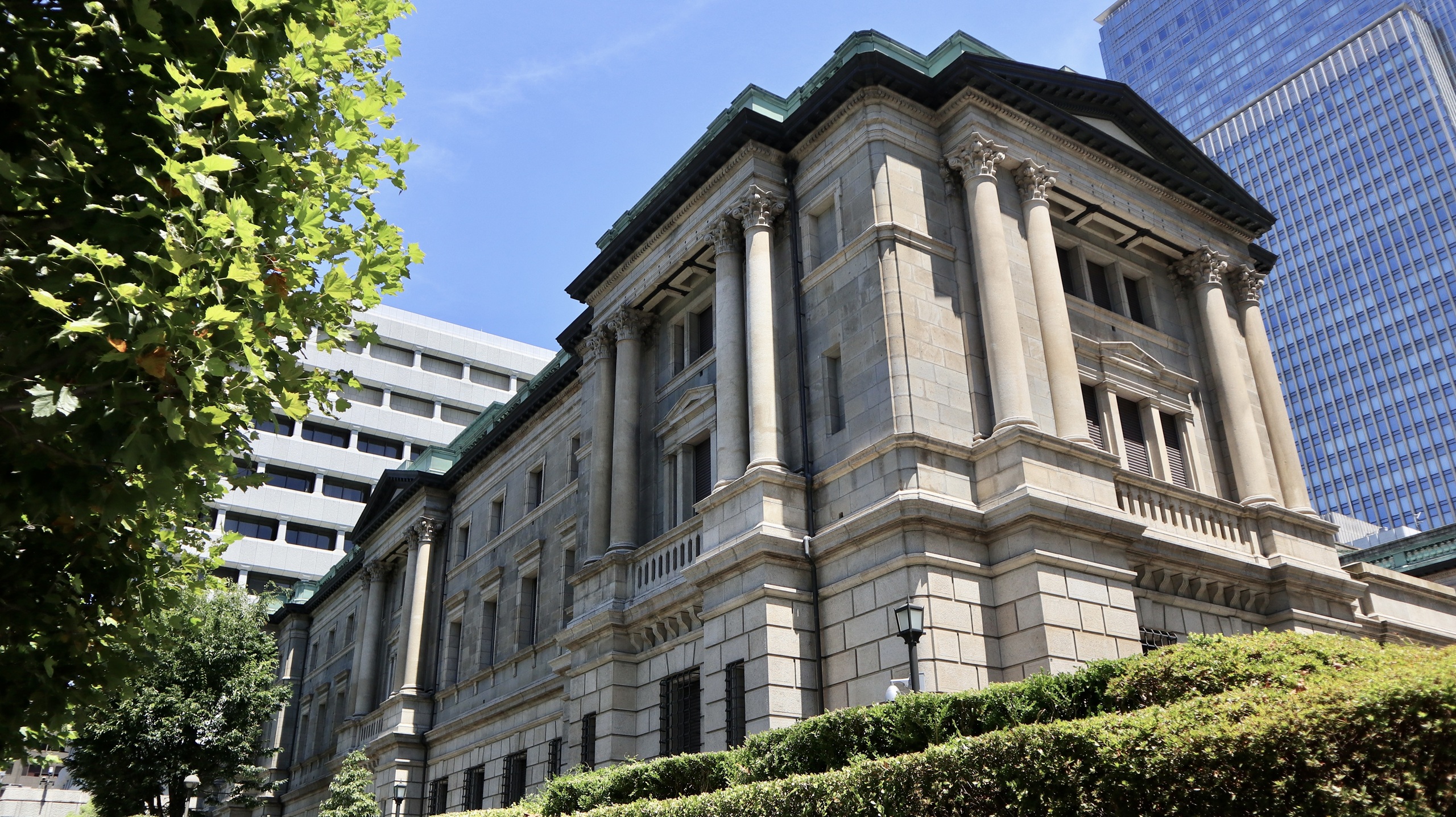
Bank of Japan policymakers debated whether the central bank needed to raise interest rates at a faster pace as underlying inflation approached its 2% target, according to minutes from the July meeting. The discussion provides additional insight into the policy shift that preceded the BOJ’s September rate increase and highlights the growing importance of inflation, the weak yen and imported costs for Japan’s monetary outlook.
BOJ Policymakers Debate a Faster Hiking Pace
At the July 30–31 meeting, the BOJ kept its policy rate at 1.0% in an 8–1 vote. However, the minutes show that several policymakers were increasingly concerned about upside risks to prices. One member argued that markets appeared to expect rate increases at intervals of roughly six months, but said the actual pace could be faster because underlying inflation was approaching 2% and the need to address upside price risks was becoming more pressing.
Another policymaker said the BOJ should pay particular attention to upside risks and adjust its policy rate nimbly. A third member argued that the risk of waiting to raise rates was no longer marginal and warned that the economic damage could be significant if inflation risks materialized.
September Rate Hike Changes the Policy Context
The July discussion has taken on greater significance following the BOJ’s decision in September to raise its policy rate by 25 basis points to 1.25%. The move, approved by a 7–2 vote, lifted borrowing costs to their highest level in 31 years as the central bank continued its gradual departure from Japan’s long period of ultra-loose monetary policy.
The policy shift reflects a changing inflation environment. The BOJ has increasingly focused on whether price pressures are becoming embedded in the economy rather than simply reflecting temporary increases in food or imported costs. A weaker yen has also raised the cost of imported energy and raw materials, adding another channel through which currency movements can affect domestic inflation.
Yen and Global Markets Face a New BOJ Risk
The prospect of a faster tightening cycle has implications beyond Japan. Higher Japanese interest rates can narrow the yield gap with other major economies and potentially alter demand for yen-denominated assets. The currency has remained sensitive to expectations surrounding the BOJ, while global investors are also monitoring the impact on carry trades that rely on Japan’s historically low borrowing costs.
For Japanese government bonds, a faster pace of rate increases could create additional pressure on yields as investors reassess the path toward monetary normalization. At the same time, tighter policy could eventually provide greater support for the yen if markets become convinced that Japanese rates will continue moving higher.
Investors will now focus on the BOJ’s October meeting and subsequent inflation, wage and economic-growth data. The key question is whether the September rate increase represents another gradual step toward normalization or the beginning of a faster tightening cycle. Developments in the yen, domestic prices and global interest-rate differentials will remain central to that assessment.
Comparison, examination, and analysis between investment houses
Leave your details, and an expert from our team will get back to you as soon as possible
* This article, in whole or in part, does not contain any promise of investment returns, nor does it constitute professional advice to make investments in any particular field.
To read more about the full disclaimer, click here
- sagi habasov
- •
- 7 Min Read
- •
- ago 1 day
SKN | Vanguard Economist Says Fed Rate Above 5% Could Begin to Pressure Markets
Federal Reserve policy has moved back toward the center of global market attention as inflation remains elevated and Treasury
- ago 1 day
- •
- 7 Min Read
Federal Reserve policy has moved back toward the center of global market attention as inflation remains elevated and Treasury
- sagi habasov
- •
- 7 Min Read
- •
- ago 1 day
SKN | Fed’s Hammack Warns Persistent Inflation Could Weaken Price Expectations
Federal Reserve Bank of Cleveland President Beth Hammack said Friday that persistent inflation remains a significant risk to the
- ago 1 day
- •
- 7 Min Read
Federal Reserve Bank of Cleveland President Beth Hammack said Friday that persistent inflation remains a significant risk to the
- sagi habasov
- •
- 7 Min Read
- •
- ago 2 days
SKN | Wall Street Awaits Jobs and Inflation Data as Investors Reassess Fed Rate Path
Wall Street is entering a critical week as investors prepare for fresh employment and inflation data that could influence
- ago 2 days
- •
- 7 Min Read

Wall Street is entering a critical week as investors prepare for fresh employment and inflation data that could influence

- omer bar
- •
- 7 Min Read
- •
- ago 2 days
SKN | Treasury Volatility Surges as Markets Reprice the Federal Reserve’s Interest Rate Path
U.S. bond markets are experiencing renewed volatility as investors adjust expectations for the Federal Reserve’s monetary policy trajectory. A
- ago 2 days
- •
- 7 Min Read

U.S. bond markets are experiencing renewed volatility as investors adjust expectations for the Federal Reserve’s monetary policy trajectory. A

