




- omer bar
- •
- 6 Min Read
- •
- 10 hours ago


Key Points
- Airbus has identified and contained a quality defect affecting the fuselage structure of the A321neo, but says aircraft can continue operating because the issue does not pose a safety risk.
- The defect affects about 500 aircraft, including roughly 250 already in service and 250 still in production, according to a source familiar with the matter.
- The issue comes as Airbus works to increase narrow-body production to 75 aircraft per month, putting additional focus on manufacturing quality and delivery schedules.
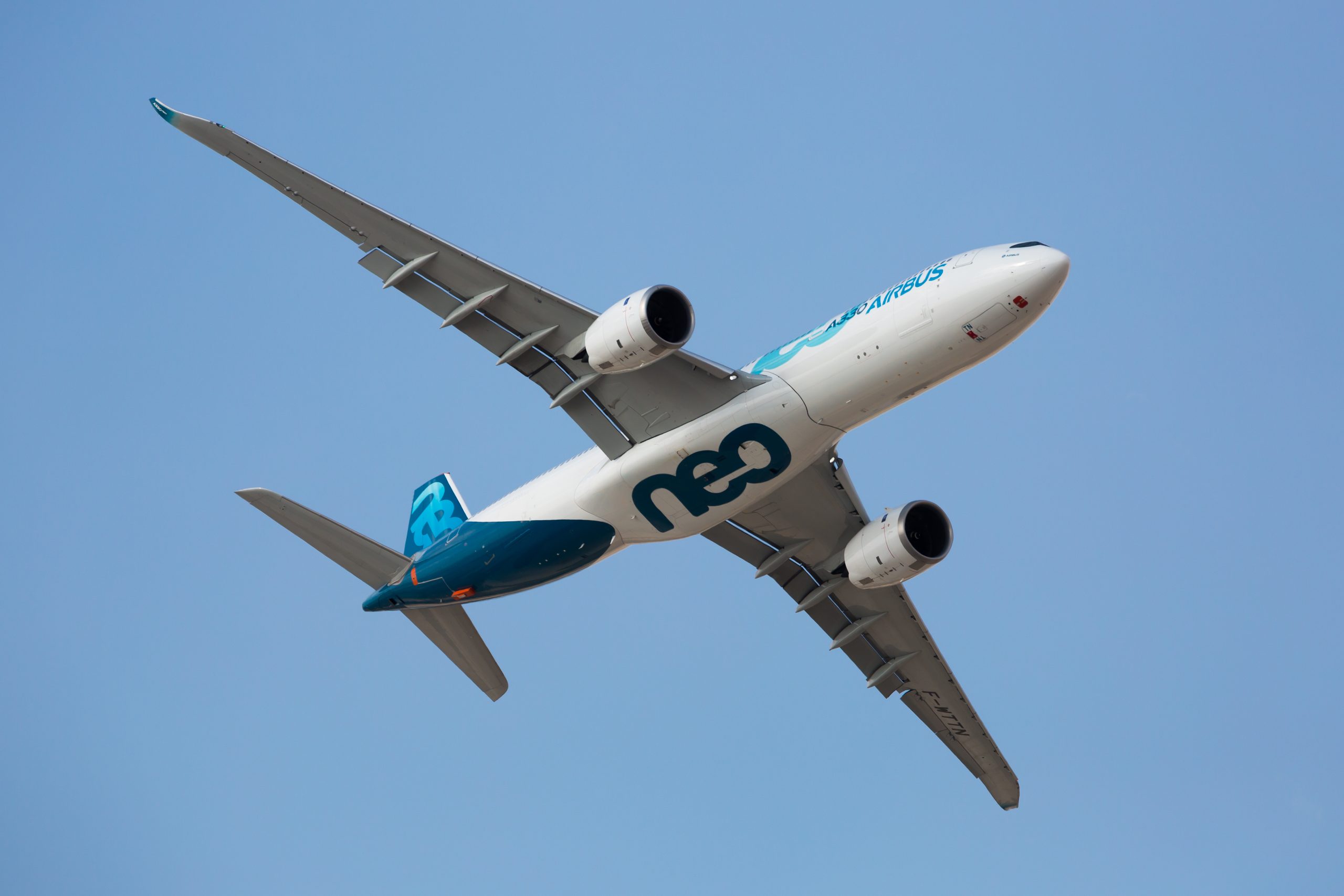
Airbus has identified a quality defect in the fuselage structure of its A321neo aircraft, adding another manufacturing challenge as the European planemaker works to accelerate production of its best-selling single-aisle family. The company says the issue has been contained, a remedy is available and aircraft can continue operating because there is no safety risk.
Defect Could Affect About 500 A321neos
The issue involves a deviation in the surface protection, or coating, applied to structural components known as stringers, which run lengthwise through the fuselage. The defect could reduce corrosion resistance inside the fuselage structure. Airbus discovered the problem while affected parts were already undergoing rework on the production line and has since identified and contained its source.
About 500 aircraft are affected, including roughly 250 already in service and another 250 at different stages of production, according to a person familiar with the matter. The A321neo is Airbus’ largest and most popular single-aisle aircraft, with capacity for up to 244 passengers and a range of as much as 4,000 nautical miles, or about 7,400 kilometers. The longer-range A321XLR is not affected by the defect.
Another Manufacturing Challenge for Airbus
The latest issue is the second industrial problem involving the fuselage of the A321neo within nine months. Airbus reported defects involving fuselage panels last December, a quality issue that did not create a safety concern but ultimately contributed to several months of delivery delays.
The timing is particularly important because Airbus is seeking to raise production of narrow-body aircraft to 75 per month from roughly 60 currently. The company is already managing supply-chain constraints, including engine shortages, while attempting to increase output. The latest defect could therefore add complexity to the production process even though Airbus does not currently expect it to change its full-year delivery guidance.
No Immediate Grounding or Repairs Required
Airbus has told customers that there is currently no immediate requirement to repair aircraft already in service, and airlines continue to accept deliveries without demanding additional work before taking possession. European regulators could nevertheless issue a directive requiring repairs within a specified period. Delta Air Lines, which operates A321neo aircraft, said it remains in regular contact with manufacturers and will follow operator recommendations and regulatory directives.
For investors, the immediate issue is less about flight safety than about execution, quality control and the potential effect on Airbus’ delivery schedule. The market will be watching how quickly the company completes the necessary rework, whether regulators require additional inspections and whether the defect creates further pressure on production costs or delivery targets. Airbus’ ability to resolve the issue while maintaining its planned production ramp will be an important test of its capacity to expand output without creating additional quality-related disruptions.
Comparison, examination, and analysis between investment houses
Leave your details, and an expert from our team will get back to you as soon as possible
* This article, in whole or in part, does not contain any promise of investment returns, nor does it constitute professional advice to make investments in any particular field.
To read more about the full disclaimer, click here
- Lior mor
- •
- 6 Min Read
- •
- ago 7 hours
SKN | Anthropic Signs $11.6 Billion Akamai Deal: Could the AI Infrastructure Commitment Reach $20 Billion?
Anthropic has signed a seven-year, $11.6 billion cloud infrastructure commitment with Akamai Technologies, highlighting the growing scale of computing demand
- ago 7 hours
- •
- 6 Min Read

Anthropic has signed a seven-year, $11.6 billion cloud infrastructure commitment with Akamai Technologies, highlighting the growing scale of computing demand

- sagi habasov
- •
- 6 Min Read
- •
- ago 9 hours
SKN | Waymo Is Scaling Rapidly: What Its Fleet and Ride Data Reveal About the Robotaxi Market
Waymo is moving deeper into commercial-scale autonomous transportation as its fleet, ride volume and geographic footprint continue to expand. The
- ago 9 hours
- •
- 6 Min Read

Waymo is moving deeper into commercial-scale autonomous transportation as its fleet, ride volume and geographic footprint continue to expand. The
- Lior mor
- •
- 6 Min Read
- •
- ago 10 hours
SKN | Oracle and Blue Owl AI Project Delay: Could Financing Risks Spread Across the Data Center Boom?
Oracle’s decision to protect itself against delays at the Jupiter data center project in New Mexico is sending ripples through
- ago 10 hours
- •
- 6 Min Read

Oracle’s decision to protect itself against delays at the Jupiter data center project in New Mexico is sending ripples through

- orshu
- •
- 7 Min Read
- •
- ago 12 hours
SKN | Oracle AI Data Center Delay Raises Questions Over the Future of Infrastructure Financing
The rapid expansion of artificial intelligence infrastructure is facing new financing challenges after delays surrounding Oracle’s large-scale data center
- ago 12 hours
- •
- 7 Min Read

The rapid expansion of artificial intelligence infrastructure is facing new financing challenges after delays surrounding Oracle’s large-scale data center
