




- sagi habasov
- •
- 6 Min Read
- •
- 9 hours ago


Key Points
- Waymo had a fleet of about 3,000 vehicles in February 2026 and was already providing more than 400,000 rides and driving over four million miles each week.
- The company has expanded to 15 major cities and served more than 20 million fully autonomous rides, while commercial activity has risen to more than half a million paid trips weekly.
- Waymo is building manufacturing capacity for tens of thousands of autonomous vehicles annually, signaling a shift from limited deployment toward industrial-scale operations.
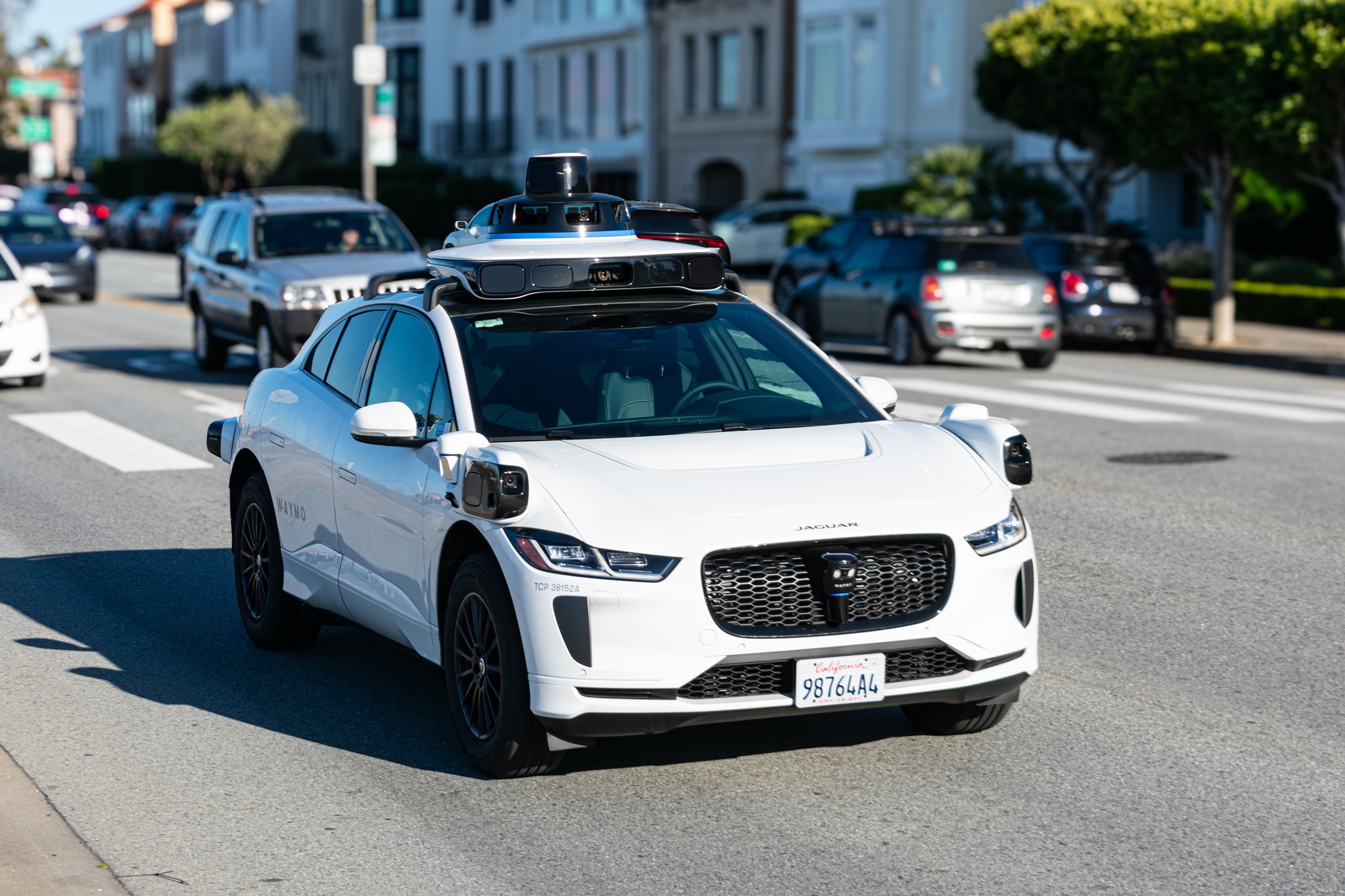
Waymo is moving deeper into commercial-scale autonomous transportation as its fleet, ride volume and geographic footprint continue to expand. The data points to a shift in the robotaxi market from technology validation toward an operational model where fleet utilization, manufacturing capacity, safety performance and city expansion increasingly determine the economics of autonomous mobility.
Fleet Growth Is Becoming a Core Scaling Metric
In February 2026, Waymo reported a fleet of approximately 3,000 vehicles, with those vehicles collectively driving more than four million miles and providing over 400,000 rides every week. By September, the company said it was serving more than half a million paid trips weekly across its commercial operations, indicating continued growth in utilization as additional markets opened.
The fleet itself is also being redesigned for higher-volume deployment. Waymo’s autonomous vehicle manufacturing operation in Mesa, Arizona, is being developed toward capacity of tens of thousands of vehicles per year. The company has also introduced its sixth-generation Waymo Driver, designed to operate across different vehicle platforms while reducing system costs and supporting broader geographic expansion.
More Cities Are Turning the Technology Into a Network
Waymo’s expansion is no longer concentrated in a small number of early markets. By September 2026, the company had begun offering fully autonomous rides in 15 major cities, with new launches including Denver, San Diego, Tampa and Las Vegas. International expansion is also moving forward, with preparations for autonomous services in Tokyo, London, Munich and Singapore.
That geographic growth matters because autonomous ride-hailing depends on density. A larger network can increase vehicle utilization, spread technology and operational costs across more rides, and generate additional real-world driving data. Waymo has reported more than 20 million fully autonomous rides and more than 300 million fully autonomous kilometers, creating a growing data set as the fleet expands.
Safety Data and Capital Are Supporting the Expansion
Scaling a robotaxi network requires more than vehicles. Regulatory approvals, insurance infrastructure, fleet maintenance and safety validation all become increasingly important as operations move into new cities. Waymo’s latest safety data, covering more than 270 million rider-only miles through June 2026, showed an 82% reduction in injury-causing crashes compared with human-driving benchmarks and a 95% reduction in serious injury or worse crashes.
The company also raised $16 billion in February at a post-money valuation of $126 billion, providing substantial capital for fleet expansion and international growth. The combination of funding, manufacturing capacity and rising ride volumes gives Waymo a significantly larger operating base, although the long-term economics of autonomous ride-hailing will still depend on utilization, vehicle costs, regulatory requirements and competitive pressure.
Going forward, investors will be watching whether Waymo can translate its expanding fleet into sustained growth in paid rides while maintaining its safety performance. The pace of vehicle production, utilization per vehicle, expansion into international markets and the cost of operating autonomous fleets will be important indicators of whether robotaxis can develop into a scalable transportation business rather than remain a capital-intensive technology operation.
Comparison, examination, and analysis between investment houses
Leave your details, and an expert from our team will get back to you as soon as possible
* This article, in whole or in part, does not contain any promise of investment returns, nor does it constitute professional advice to make investments in any particular field.
To read more about the full disclaimer, click here
- Lior mor
- •
- 6 Min Read
- •
- ago 7 hours
SKN | Anthropic Signs $11.6 Billion Akamai Deal: Could the AI Infrastructure Commitment Reach $20 Billion?
Anthropic has signed a seven-year, $11.6 billion cloud infrastructure commitment with Akamai Technologies, highlighting the growing scale of computing demand
- ago 7 hours
- •
- 6 Min Read

Anthropic has signed a seven-year, $11.6 billion cloud infrastructure commitment with Akamai Technologies, highlighting the growing scale of computing demand

- omer bar
- •
- 6 Min Read
- •
- ago 10 hours
SKN | Airbus Identifies A321neo Defect: Could Another Quality Issue Pressure Deliveries?
Airbus has identified a quality defect in the fuselage structure of its A321neo aircraft, adding another manufacturing challenge as the
- ago 10 hours
- •
- 6 Min Read
Airbus has identified a quality defect in the fuselage structure of its A321neo aircraft, adding another manufacturing challenge as the
- Lior mor
- •
- 6 Min Read
- •
- ago 11 hours
SKN | Oracle and Blue Owl AI Project Delay: Could Financing Risks Spread Across the Data Center Boom?
Oracle’s decision to protect itself against delays at the Jupiter data center project in New Mexico is sending ripples through
- ago 11 hours
- •
- 6 Min Read

Oracle’s decision to protect itself against delays at the Jupiter data center project in New Mexico is sending ripples through

- orshu
- •
- 7 Min Read
- •
- ago 12 hours
SKN | Oracle AI Data Center Delay Raises Questions Over the Future of Infrastructure Financing
The rapid expansion of artificial intelligence infrastructure is facing new financing challenges after delays surrounding Oracle’s large-scale data center
- ago 12 hours
- •
- 7 Min Read

The rapid expansion of artificial intelligence infrastructure is facing new financing challenges after delays surrounding Oracle’s large-scale data center
