




- Arik Arkadi Sluzki
- •
- 7 Min Read
- •
- 2 minutes ago


Key Points
- Brent crude fell 3.4% to $100.34 a barrel, while WTI declined 4.51% to $95.78, with both benchmarks reaching their lowest levels since September 9.
- Markets are responding to potential U.S.-Iran diplomatic engagement at the United Nations General Assembly and signs that Saudi Arabia is restoring part of its disrupted export flows.
- Saudi Aramco has increased shipments through the Strait of Hormuz, helping offset losses from the Red Sea route, although geopolitical risks remain significant.
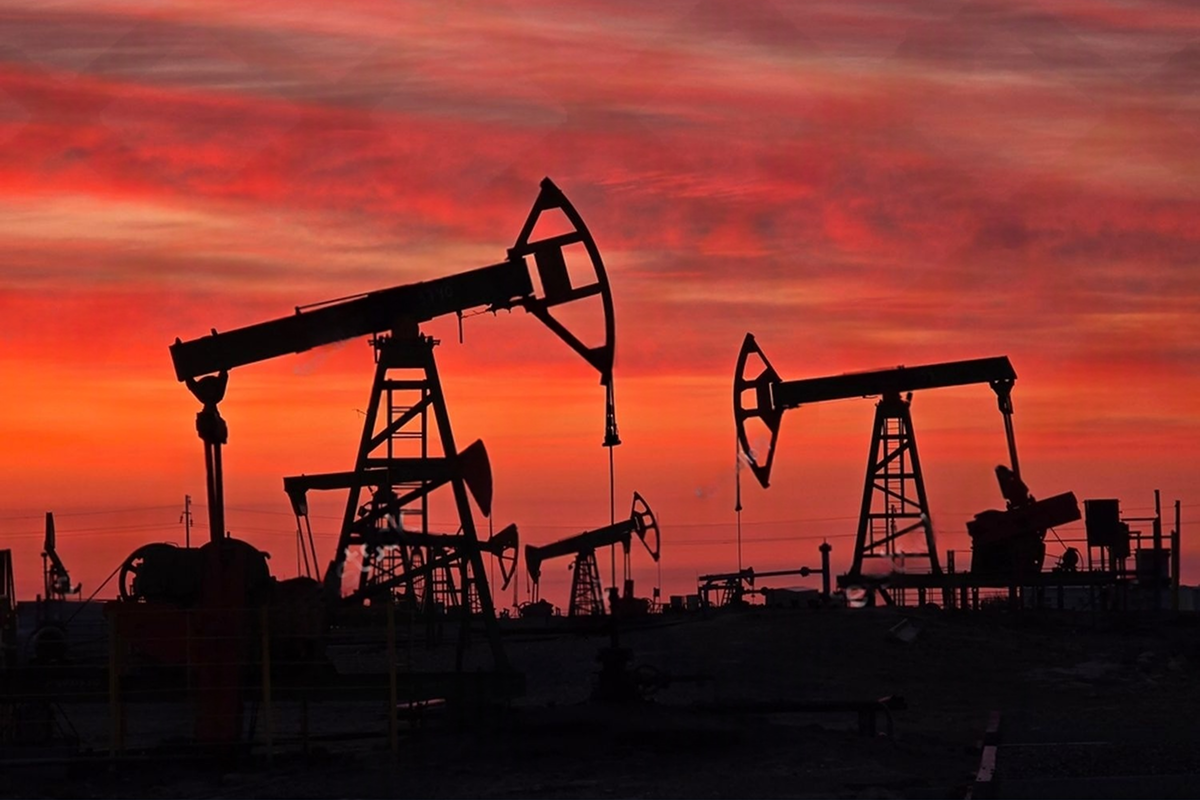
Oil prices retreated sharply on Monday as markets began to price a potentially less severe disruption to Middle Eastern crude supplies. Brent moved back toward $100 a barrel as investors assessed prospects for U.S.-Iran diplomacy at this week’s United Nations General Assembly alongside signs of recovering Saudi exports.
Diplomatic Expectations Weigh on Crude Prices
The November Brent contract settled at $100.34 a barrel, down $3.53, or 3.4%, while October WTI fell $4.52, or 4.51%, to $95.78. The October contract expires Tuesday, with November WTI trading at $92.47. Both benchmarks reached their lowest levels since September 9, marking a significant reversal after oil prices climbed above $100 amid escalating regional supply concerns.
Part of the decline reflected renewed expectations that diplomacy could eventually reduce the conflict-related risk premium in crude markets. U.S. President Donald Trump said he would be open to meeting Iranian President Masoud Pezeshkian, who is expected in New York for the United Nations General Assembly. Iran has also communicated conditions for potentially re-engaging in negotiations through intermediaries, although no agreement has been reached.
Saudi Exports Provide Additional Supply Relief
Oil markets are also responding to evidence that Saudi Arabia is adapting its export logistics following attacks that disrupted its East-West pipeline and reduced shipments through the Red Sea port of Yanbu. Saudi Aramco has increased crude exports through the Strait of Hormuz, including the use of ship-to-ship transfers near Oman to maintain deliveries to international buyers.
Saudi Aramco loaded approximately 14 million barrels of crude onto seven supertankers inside the Gulf on Sunday, according to tanker-tracking data cited by Reuters. Satellite data indicated that Saudi oil moving through the Strait of Hormuz averaged about 2.9 million barrels per day during the preceding six days, compared with only 700,000 barrels per day in August.
Separate trade data showed Saudi Arabia planning approximately 60 million barrels of crude exports from Ras Tanura through ship-to-ship transfers at Oman’s Sohar port during September and October. The additional Gulf volumes are helping compensate for reduced flows from Yanbu, although transportation costs remain elevated because of the security risks surrounding regional shipping routes.
Supply Risks Have Not Disappeared
Monday’s price decline does not eliminate the structural risks facing the global oil market. Yemen’s Iran-backed Houthis said they had attacked targets in Riyadh and a Saudi Aramco facility in Yanbu, while attacks on infrastructure have already forced producers to develop alternative export routes. Libya has also reported a partial reduction in production at its Sharara oilfield, adding another supply variable to an already fragile market.
The growing use of ship-to-ship transfers illustrates both the resilience and the increased cost of the global energy system. Reuters reported that around 2.5 million barrels per day could be transferred through such operations in the Gulf of Oman during September, compared with 1.4 million barrels per day in August. The workaround has helped sustain flows but requires additional vessels, longer logistics chains and significantly higher freight costs.
What Oil Markets Will Watch Next
The immediate direction of crude prices will depend heavily on whether diplomatic contacts produce measurable progress and whether Saudi Arabia can sustain higher export volumes. A durable reduction in geopolitical risk could further compress the premium embedded in oil prices, while renewed attacks on energy infrastructure or shipping routes could reverse the decline quickly. For global markets, the interaction between Middle East supply security, diplomatic developments, Saudi export capacity and transportation costs will remain central to the inflation and energy outlook in the weeks ahead.
Comparison, examination, and analysis between investment houses
Leave your details, and an expert from our team will get back to you as soon as possible
* This article, in whole or in part, does not contain any promise of investment returns, nor does it constitute professional advice to make investments in any particular field.
To read more about the full disclaimer, click here
- Lior mor
- •
- 6 Min Read
- •
- ago 20 hours
SKN | Oil Holds Above $100 as Middle East Supply Risks Collide With Diplomatic Efforts
Oil prices remain elevated as traders weigh persistent risks to Middle East supply against signs that some disrupted flows are
- ago 20 hours
- •
- 6 Min Read
Oil prices remain elevated as traders weigh persistent risks to Middle East supply against signs that some disrupted flows are
- Lior mor
- •
- 7 Min Read
- •
- ago 2 days
SKN | Petrobras Joins Brazil’s Diesel Subsidy Program as Global Fuel Costs Pressure Domestic Prices
Brazil’s state-run oil company Petrobras has approved participation in a new government diesel subsidy program, extending the country’s efforts
- ago 2 days
- •
- 7 Min Read

Brazil’s state-run oil company Petrobras has approved participation in a new government diesel subsidy program, extending the country’s efforts
- Lior mor
- •
- 7 Min Read
- •
- ago 3 days
SKN | Russia Sanctions Bill Expands US Tariff Powers, Adding New Uncertainty to Global Trade
A new US sanctions law targeting Russia has expanded presidential authority over trade measures, creating another layer of uncertainty
- ago 3 days
- •
- 7 Min Read

A new US sanctions law targeting Russia has expanded presidential authority over trade measures, creating another layer of uncertainty

- omer bar
- •
- 7 Min Read
- •
- ago 3 days
SKN | US and China Discuss LNG Tariff Cuts Ahead of Xi Visit as Energy Trade Takes Center Stage
The United States and China are exploring potential tariff reductions on American liquefied natural gas exports as both sides
- ago 3 days
- •
- 7 Min Read
The United States and China are exploring potential tariff reductions on American liquefied natural gas exports as both sides
