




- Lior mor
- •
- 6 Min Read
- •
- 14 seconds ago


Key Points
- Brent crude remains above $103 a barrel while WTI trades around $100 as traders balance supply disruptions against signs of improving Saudi exports.
- Saudi crude exports have recovered to more than 4 million barrels per day in September, compared with 2.4 million barrels per day in August, but the damaged East-West pipeline remains a major supply risk.
- Potential U.S.-Iran diplomatic contacts are adding uncertainty to the oil outlook, with any progress potentially easing the geopolitical premium in crude prices.
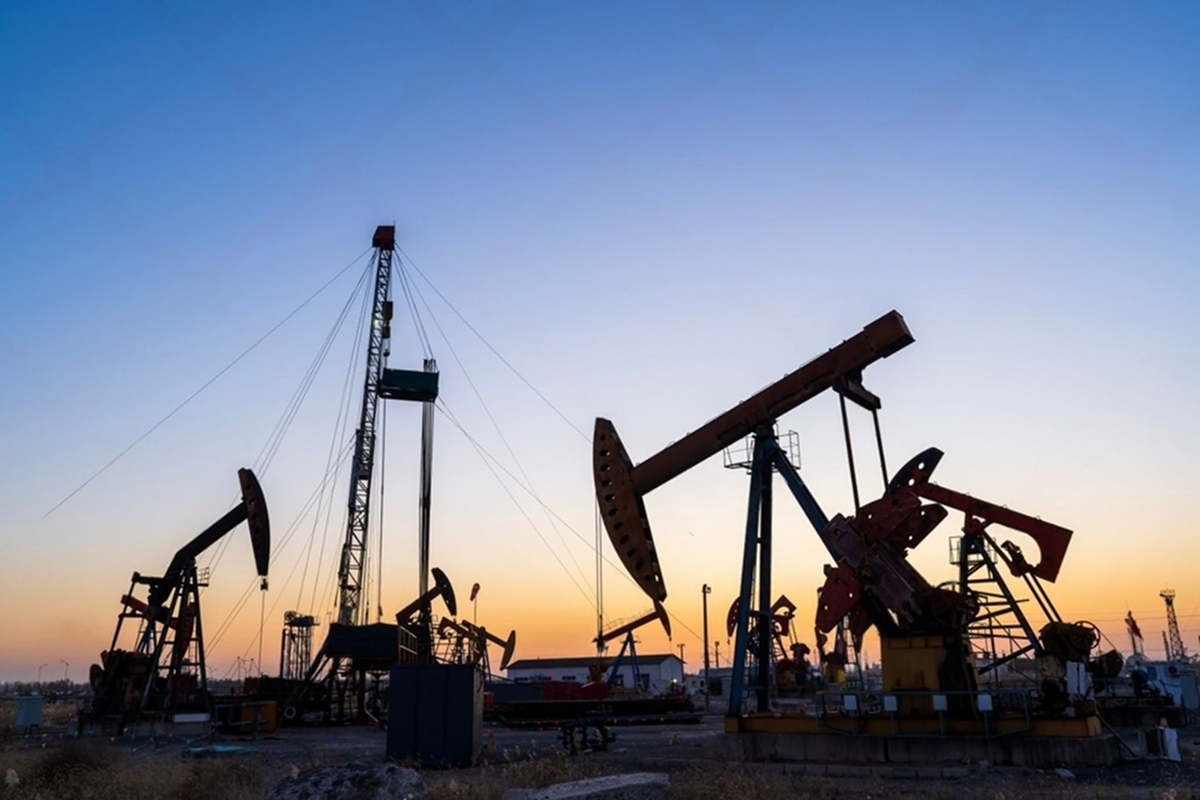
Oil prices remain elevated as traders weigh persistent risks to Middle East supply against signs that some disrupted flows are beginning to recover. Brent crude is trading above $103 a barrel while West Texas Intermediate remains around $100, keeping energy costs at levels capable of influencing inflation, transport expenses and central-bank policy.
The market is being pulled in two directions. Attacks on Saudi infrastructure and uncertainty around the Strait of Hormuz continue to support prices, while higher Saudi exports and renewed diplomatic activity between Washington and Tehran could reduce some of the supply premium.
Saudi Supply Is Recovering, but Infrastructure Risks Remain
Saudi Arabia has increased crude exports after disruptions at the Red Sea export hub of Yanbu and damage to its East-West pipeline. Saudi exports have risen to more than 4 million barrels per day in September, compared with 2.4 million barrels per day in August. A significant portion of shipments is now moving through the Strait of Hormuz, with Saudi volumes through the waterway rising sharply from August levels.
That recovery has helped prevent a deeper physical supply shock, but the situation remains fragile. The 1,200-kilometer East-West pipeline is a critical alternative route for moving Saudi crude toward the Red Sea and has been damaged in recent attacks. Any delay in repairs or further strikes could again restrict exports and quickly push risk premiums higher.
Hormuz and Shipping Costs Remain Central to Pricing
The Strait of Hormuz remains one of the most important variables for the global oil market. Shipping activity has improved, with crude and liquefied natural gas flows through the waterway reaching their highest level in six months, but traffic remains vulnerable to renewed military escalation.
The disruption is also affecting the cost of transporting oil. With more cargoes being redirected through alternative routes and a larger share of tankers tied up in the region, shipping costs have increased sharply. That means even if benchmark crude prices stabilize, delivered energy costs can remain elevated because of higher freight and insurance expenses.
Diplomacy Could Rapidly Change the Market Balance
Diplomatic developments are now becoming an equally important market variable. U.S. President Donald Trump has indicated that he could meet Iranian President Masoud Pezeshkian during the United Nations General Assembly in New York. Any meaningful progress toward renewed negotiations could reduce concerns surrounding Hormuz and encourage further normalization of regional energy flows.
At the same time, renewed attacks by Iran-backed Houthi forces on Saudi targets show how quickly the risk picture can change. For oil markets, the direction of prices will depend on whether supply recovery continues faster than geopolitical risks expand.
Investors will be watching Saudi pipeline repairs, Hormuz shipping volumes, crude exports and the outcome of any U.S.-Iran diplomatic contacts. A sustained improvement in flows could gradually reduce the premium embedded in oil prices, while another disruption could push crude higher and reinforce pressure on inflation and energy-intensive industries. The next phase of the market will therefore depend on both physical supply data and the credibility of diplomatic efforts to stabilize the region.
Comparison, examination, and analysis between investment houses
Leave your details, and an expert from our team will get back to you as soon as possible
* This article, in whole or in part, does not contain any promise of investment returns, nor does it constitute professional advice to make investments in any particular field.
To read more about the full disclaimer, click here
- Lior mor
- •
- 7 Min Read
- •
- ago 1 day
SKN | Petrobras Joins Brazil’s Diesel Subsidy Program as Global Fuel Costs Pressure Domestic Prices
Brazil’s state-run oil company Petrobras has approved participation in a new government diesel subsidy program, extending the country’s efforts
- ago 1 day
- •
- 7 Min Read

Brazil’s state-run oil company Petrobras has approved participation in a new government diesel subsidy program, extending the country’s efforts
- Lior mor
- •
- 7 Min Read
- •
- ago 2 days
SKN | Russia Sanctions Bill Expands US Tariff Powers, Adding New Uncertainty to Global Trade
A new US sanctions law targeting Russia has expanded presidential authority over trade measures, creating another layer of uncertainty
- ago 2 days
- •
- 7 Min Read

A new US sanctions law targeting Russia has expanded presidential authority over trade measures, creating another layer of uncertainty

- omer bar
- •
- 7 Min Read
- •
- ago 2 days
SKN | US and China Discuss LNG Tariff Cuts Ahead of Xi Visit as Energy Trade Takes Center Stage
The United States and China are exploring potential tariff reductions on American liquefied natural gas exports as both sides
- ago 2 days
- •
- 7 Min Read
The United States and China are exploring potential tariff reductions on American liquefied natural gas exports as both sides

- Ronny Mor
- •
- 7 Min Read
- •
- ago 2 days
SKN | Gold Reaches One-Week High as Lower Oil Prices Ease Inflation Concerns
Gold prices climbed to a one-week high on Friday as retreating oil prices eased concerns over a prolonged inflation
- ago 2 days
- •
- 7 Min Read

Gold prices climbed to a one-week high on Friday as retreating oil prices eased concerns over a prolonged inflation
