





- Lior mor
- •
- 6 Min Read
- •
- 25 seconds ago


Key Points
- Alphabet’s Waymo plans to launch its fully autonomous, all-electric ride-hailing service in Singapore by 2028, marking its first entry into Southeast Asia.
- An initial fleet of Jaguar I-PACE vehicles will arrive in the coming months, with mapping and autonomous testing by trained specialists planned for 2027.
- The expansion comes as Waymo scales internationally and competes with Amazon’s Zoox and Tesla while Singapore develops its own autonomous-vehicle ecosystem.
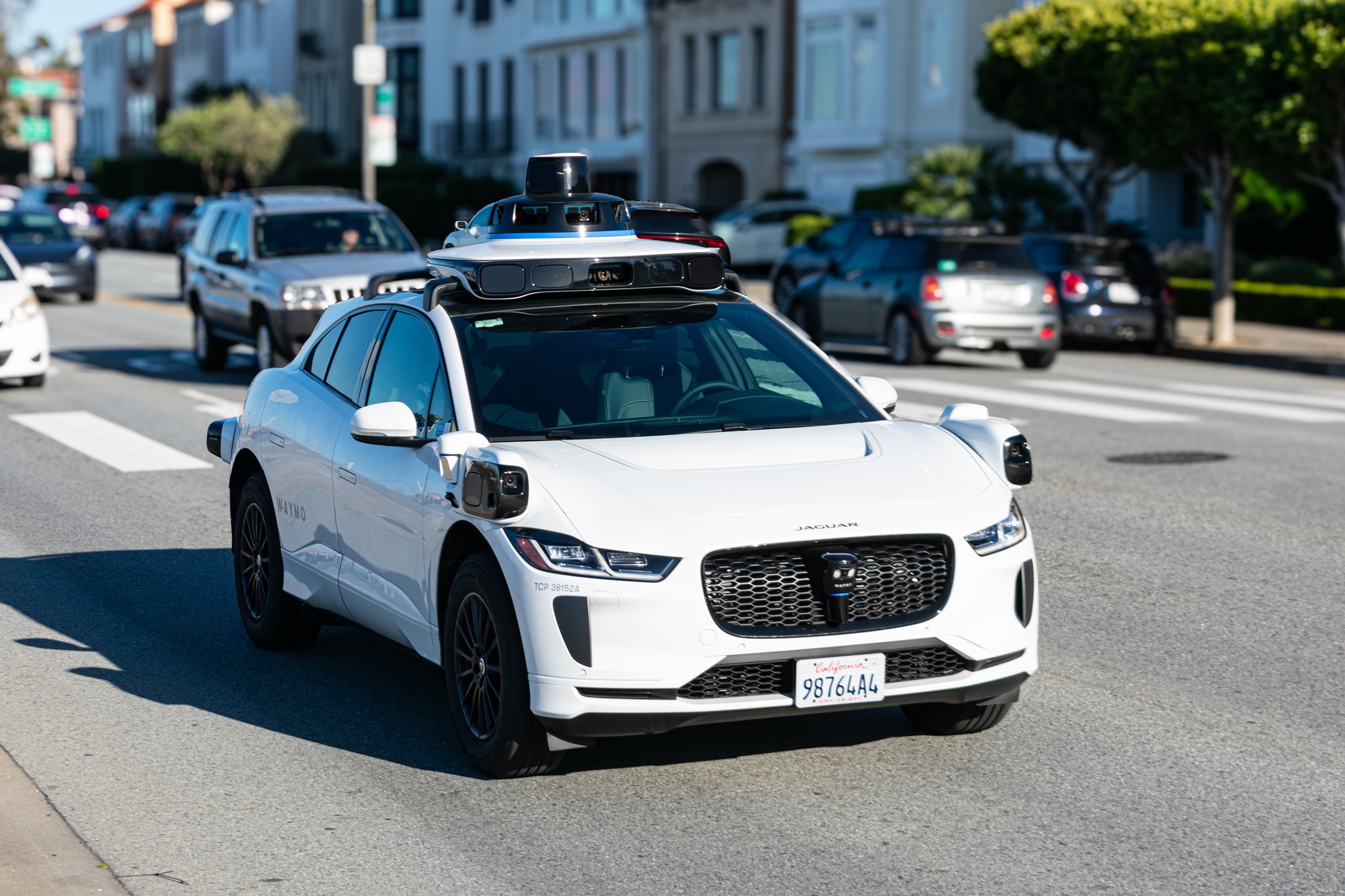
Waymo is taking its autonomous driving strategy into Southeast Asia, announcing plans to bring its fully autonomous, all-electric ride-hailing service to Singapore by 2028. The move expands Alphabet’s presence in a market known for tightly managed transport infrastructure and technology adoption, while increasing pressure on global competitors to demonstrate that robotaxis can move from pilot programs to scalable commercial operations.
Waymo Prepares for Singapore’s Roads
Waymo said an initial fleet of Jaguar I-PACE vehicles will arrive in Singapore in the coming months. During 2027, trained autonomous specialists will conduct initial manual driving to help the Waymo Driver adapt to Singapore’s local road geometry and monsoon weather patterns. The company is targeting a public launch in 2028, subject to the required regulatory approvals.
Waymo is working with Singapore’s Ministry of Transport and Land Transport Authority as it prepares for the expansion. Singapore requires autonomous vehicles to undergo safety assessments before deployment on public roads, adding a formal testing stage before commercial passenger operations can begin.
Singapore Becomes a Key Test for International Expansion
The Singapore launch is significant because it represents Waymo’s first expansion into Southeast Asia and comes as the company accelerates its international ambitions. Waymo is also targeting London by the end of 2026, Tokyo in 2027 and Munich in late 2027. In Japan, the company has said it aims to launch the country’s first fully autonomous commercial taxi service in Tokyo.
Waymo is already expanding rapidly in the United States. The company has around 4,000 vehicles operating across approximately 15 U.S. cities, with recent launches or planned operations in markets including Denver, San Diego, Las Vegas and Nashville. International expansion could provide another path for fleet growth as regulatory barriers and political resistance continue to complicate autonomous-vehicle deployments in some major U.S. cities.
Competition and Commercial Economics Are Coming Into Focus
The expansion also places Waymo deeper into competition with Amazon’s Zoox and Tesla in the emerging autonomous ride-hailing market. Waymo was valued at $126 billion in February after raising $16 billion, giving Alphabet’s autonomous-driving unit substantial financial resources as it expands its fleet, technology and operating footprint.
Singapore is already developing an autonomous mobility ecosystem. Grab recently announced plans to increase its autonomous vehicle fleet from 10 to 50 vehicles over six months and expand service beyond the Punggol area, subject to regulatory approval. That activity suggests Singapore could become an important testing ground for multiple autonomous mobility models rather than a single-provider market.
Going forward, investors will be watching Waymo’s ability to complete mapping and testing in Singapore, secure regulatory approval and achieve reliable commercial operations under local weather and traffic conditions. The broader opportunity depends on whether autonomous fleets can scale economically while maintaining safety and utilization. Success in Singapore could strengthen Waymo’s international expansion strategy and provide another benchmark for the economics of robotaxis as competition across the global autonomous mobility industry intensifies.
Comparison, examination, and analysis between investment houses
Leave your details, and an expert from our team will get back to you as soon as possible
* This article, in whole or in part, does not contain any promise of investment returns, nor does it constitute professional advice to make investments in any particular field.
To read more about the full disclaimer, click here
- Lior mor
- •
- 6 Min Read
- •
- ago 34 minutes
SKN | Disney Puts Streaming Technology at the Center With Former YouTube Executive Adam Smith
Disney is sharpening its focus on technology as competition for streaming audiences, advertising dollars and digital engagement intensifies. The company
- ago 34 minutes
- •
- 6 Min Read
Disney is sharpening its focus on technology as competition for streaming audiences, advertising dollars and digital engagement intensifies. The company

- omer bar
- •
- 7 Min Read
- •
- ago 3 hours
SKN | Could $100 Billion in Spectrum Auctions Reshape the U.S. Wireless Market?
FCC Targets a Major Spectrum Auction Program The U.S. Federal Communications Commission is preparing an expanded spectrum auction program that
- ago 3 hours
- •
- 7 Min Read

FCC Targets a Major Spectrum Auction Program The U.S. Federal Communications Commission is preparing an expanded spectrum auction program that

- Ronny Mor
- •
- 6 Min Read
- •
- ago 3 hours
SKN | Could Tariffs Add $100 Million to the Cost of U.S. Air Traffic Control Modernization?
Tariffs Add to the Cost of a Major Infrastructure Upgrade The U.S. Federal Aviation Administration expects tariffs to increase the
- ago 3 hours
- •
- 6 Min Read

Tariffs Add to the Cost of a Major Infrastructure Upgrade The U.S. Federal Aviation Administration expects tariffs to increase the

- orshu
- •
- 7 Min Read
- •
- ago 4 hours
SKN | SEC Opens Door for Tokenized Stock Trading With Five-Year Regulatory Exemption
The U.S. Securities and Exchange Commission has introduced a new regulatory framework designed to support the development of tokenized
- ago 4 hours
- •
- 7 Min Read
The U.S. Securities and Exchange Commission has introduced a new regulatory framework designed to support the development of tokenized

