




- orshu
- •
- 7 Min Read
- •
- 3 minutes ago


Key Points
- The U.S. Securities and Exchange Commission introduced a five-year exemption allowing platforms to facilitate trading of tokenized stocks under modified regulatory requirements.
- The move could accelerate the integration of blockchain-based securities into traditional financial markets while creating new compliance considerations.
- Liquidity providers in tokenized securities markets will also receive temporary relief from certain dealer registration requirements.
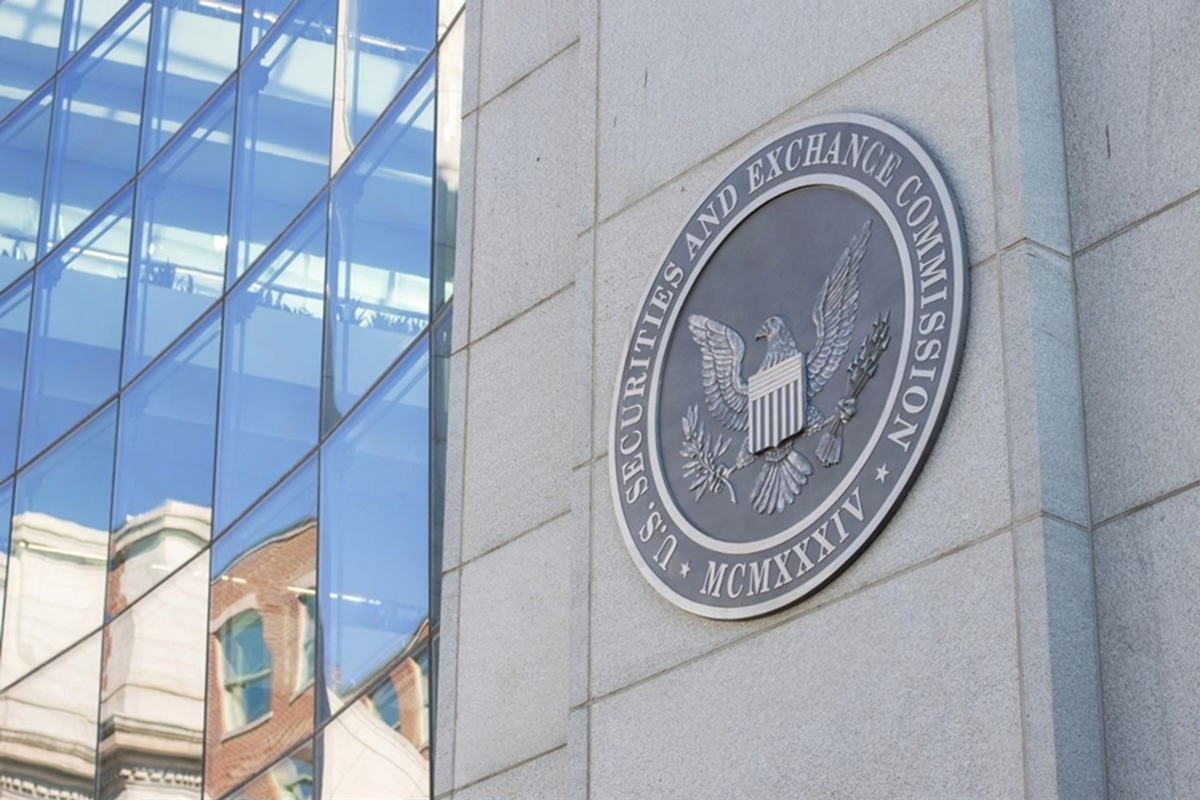
The U.S. Securities and Exchange Commission has introduced a new regulatory framework designed to support the development of tokenized stock markets, marking a significant step toward the integration of blockchain technology with traditional securities trading. The five-year exemption allows platforms offering blockchain-based representations of stocks to operate with temporary relief from certain exchange and dealer registration rules.
The decision comes as financial institutions and digital asset companies continue exploring how blockchain infrastructure could reshape securities markets. Tokenized stocks represent ownership interests or economic exposure linked to traditional equities but are recorded and traded through blockchain networks rather than conventional market infrastructure.
SEC Creates Regulatory Pathway for Tokenized Securities
Under the new exemption, platforms facilitating the trading of tokenized stocks will receive relief from several requirements normally applied to traditional exchanges such as Nasdaq and the New York Stock Exchange. The SEC’s approach creates a temporary regulatory environment intended to allow innovation while regulators evaluate the long-term implications of blockchain-based securities markets.
The exemption applies for five years, giving market participants time to develop operational models, compliance procedures and investor protections. The structure reflects regulators’ attempt to balance technological development with concerns surrounding transparency, market integrity and investor safeguards.
Tokenized securities have gained attention because blockchain technology can potentially enable faster settlement, broader market access and new forms of financial infrastructure. However, questions remain regarding custody arrangements, ownership verification, trading oversight and the relationship between digital tokens and underlying securities.
Digital Assets Move Closer to Traditional Financial Markets
The SEC’s decision represents a broader shift in the relationship between digital assets and regulated financial markets. While cryptocurrencies have historically operated separately from traditional exchanges, tokenized stocks create a direct connection between blockchain systems and established securities markets.
Liquidity providers participating in tokenized stock markets will also receive a five-year exemption from certain dealer registration requirements. This measure is intended to encourage market participation and support liquidity development as trading platforms build their infrastructure.
For financial institutions, tokenization could become part of a wider effort to modernize capital markets. Blockchain-based systems may offer potential improvements in settlement efficiency and operational processes, particularly as institutions examine alternatives to traditional market structures.
Regulatory Uncertainty Remains a Key Consideration
The SEC’s announcement arrives shortly after the U.S. Senate failed to advance cryptocurrency legislation supported by President Donald Trump, highlighting the continuing debate over the appropriate regulatory approach for digital assets.
Although the exemption provides temporary clarity for tokenized stock platforms, market participants will continue watching how regulators address issues such as investor protection, disclosure standards and the legal relationship between tokenized assets and traditional shares.
The five-year timeframe also suggests that regulators view tokenized securities as an evolving market rather than a fully established segment of financial infrastructure. Future policy decisions may depend on adoption levels, market performance and the ability of platforms to meet regulatory expectations.
Going forward, investors and financial institutions will monitor the growth of tokenized securities platforms, regulatory developments and potential partnerships between traditional exchanges and blockchain providers. The success of this market will likely depend on whether tokenization can deliver operational benefits while maintaining the transparency and protections expected in regulated capital markets.
Comparison, examination, and analysis between investment houses
Leave your details, and an expert from our team will get back to you as soon as possible
* This article, in whole or in part, does not contain any promise of investment returns, nor does it constitute professional advice to make investments in any particular field.
To read more about the full disclaimer, click here
- Arik Arkadi Sluzki
- •
- 7 Min Read
- •
- ago 3 minutes
SKN | Crusoe Reaches $30.9 Billion Valuation as AI Infrastructure Race Accelerates
Artificial intelligence infrastructure company Crusoe has secured a major funding round that highlights the accelerating capital flows into the
- ago 3 minutes
- •
- 7 Min Read

Artificial intelligence infrastructure company Crusoe has secured a major funding round that highlights the accelerating capital flows into the

- Ronny Mor
- •
- 7 Min Read
- •
- ago 4 minutes
SKN | US Government Website Faces AI Security Debate After Using Chinese Model for Regulatory Search
A U.S. government website briefly used an artificial intelligence model developed by Chinese technology company Alibaba for regulatory searches,
- ago 4 minutes
- •
- 7 Min Read
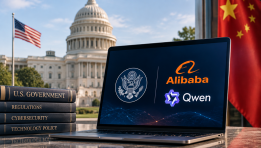
A U.S. government website briefly used an artificial intelligence model developed by Chinese technology company Alibaba for regulatory searches,

- sagi habasov
- •
- 7 Min Read
- •
- ago 4 minutes
SKN | AI Copyright Battle Intensifies as OpenAI and Microsoft Face New Challenges From News Publishers
The legal dispute between artificial intelligence companies and news organizations is entering a critical phase as court filings reveal
- ago 4 minutes
- •
- 7 Min Read

The legal dispute between artificial intelligence companies and news organizations is entering a critical phase as court filings reveal
- sagi habasov
- •
- 6 Min Read
- •
- ago 1 hour
SKN | Nvidia CEO Jensen Huang Expects AI Chip Demand to Double as Global Investment Accelerates
Nvidia CEO Jensen Huang said the company expects to sell approximately twice as many chips next year as it
- ago 1 hour
- •
- 6 Min Read
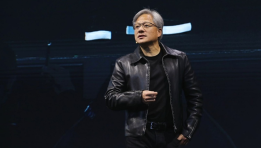
Nvidia CEO Jensen Huang said the company expects to sell approximately twice as many chips next year as it
