





- omer bar
- •
- 6 Min Read
- •
- 1 day ago
Key Points
- Oil prices moved slightly higher after the United States announced a new round of strikes on Iran, increasing concerns over regional instability.
- Energy markets are monitoring potential disruptions to Middle East supply routes, production infrastructure, and global oil flows.
- Investors are assessing the impact of geopolitical developments on inflation expectations, central bank policy, and global economic growth.
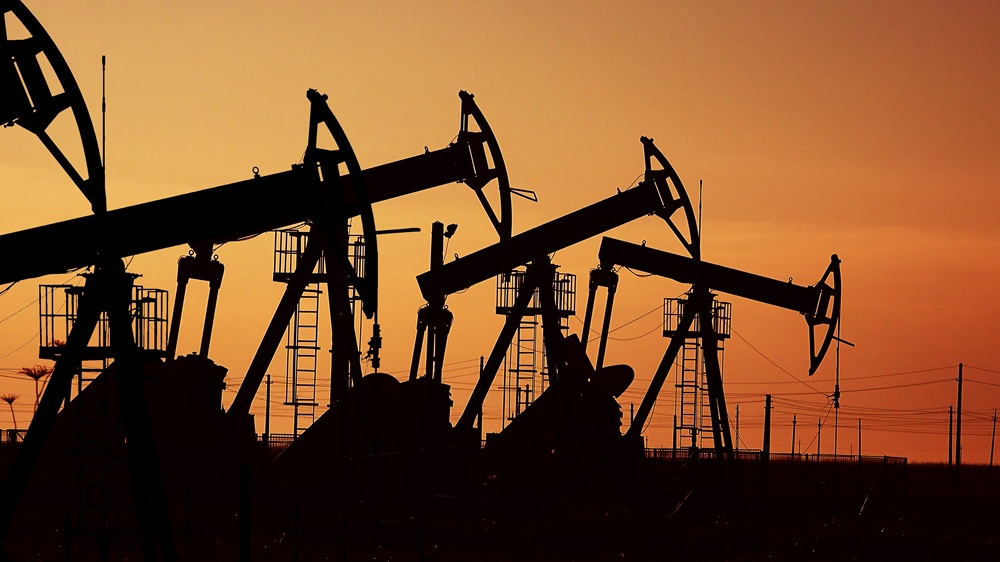
Oil prices rose modestly after the United States announced another round of strikes on Iran, highlighting renewed geopolitical risks in one of the world’s most important energy-producing regions. The move added uncertainty to global commodity markets as investors evaluated whether the escalation could affect oil supplies, transportation routes, and broader economic conditions.
Geopolitical Tensions Support Oil Market Risk Premium
The latest increase in oil prices reflects the additional risk premium markets often assign to energy assets during periods of heightened geopolitical uncertainty. The Middle East remains a critical region for global energy markets, accounting for a significant share of worldwide oil production and key shipping routes used to transport crude supplies.
Although oil markets have not experienced a major disruption to physical supply as a direct result of the latest developments, traders continue monitoring the possibility of broader consequences. Any escalation that affects energy infrastructure, production facilities, or major maritime routes could create additional volatility in crude prices.
The response from energy markets also depends on expectations regarding the duration and scope of the conflict. Short-term price movements often reflect uncertainty rather than immediate changes in supply-demand fundamentals, with investors adjusting positions based on potential future scenarios.
Energy Markets Balance Geopolitical Risks and Global Demand Trends
Beyond geopolitical developments, oil prices continue to be influenced by broader market factors, including global economic growth expectations, production decisions by major oil exporters, and demand trends from large economies.
Organizations such as OPEC+ continue to play an important role in shaping the outlook for crude markets through production policies designed to balance supply and demand. At the same time, concerns about slower global growth could limit upward pressure on prices if weaker economic activity reduces energy consumption.
Higher oil prices can have wider economic implications by increasing transportation and production costs, potentially adding pressure to inflation. Central banks closely monitor energy prices because sustained increases can influence monetary policy decisions and inflation expectations.
Implications for Global and Israeli Investors
For investors in global markets, the rise in oil prices highlights the continued importance of geopolitical factors in portfolio risk assessments. Energy companies, transportation sectors, currencies, and inflation-sensitive assets can all react to changes in commodity market expectations.
For investors in Israel, developments in energy markets are particularly relevant due to the country’s regional location and exposure to Middle East geopolitical conditions. Changes in oil prices can influence inflation expectations, consumer costs, and broader market sentiment.
Israeli investors also monitor global energy trends because fluctuations in commodity prices can affect international markets, corporate earnings expectations, and central bank policies worldwide.
Looking ahead, investors will focus on further developments in the U.S.-Iran situation, potential responses from regional actors, oil supply conditions, and global demand trends. The key question for markets will be whether the latest escalation remains contained or develops into a broader disruption that could create more significant pressure on energy prices and the global economy.
Comparison, examination, and analysis between investment houses
Leave your details, and an expert from our team will get back to you as soon as possible
* This article, in whole or in part, does not contain any promise of investment returns, nor does it constitute professional advice to make investments in any particular field.
To read more about the full disclaimer, click here
- omer bar
- •
- 6 Min Read
- •
- ago 8 hours
SKN | Oil Prices Break Above $88 as Iran Conflict Escalation Raises Global Supply Concerns
U.S. oil prices surged above $88 per barrel as the escalating conflict involving Iran intensified concerns over potential disruptions in
- ago 8 hours
- •
- 6 Min Read

U.S. oil prices surged above $88 per barrel as the escalating conflict involving Iran intensified concerns over potential disruptions in

- orshu
- •
- 7 Min Read
- •
- ago 3 days
SKN | Why Oil Prices Have Remained Stable Despite Five Months of U.S.-Iran Conflict
Despite five months of military conflict involving the United States and Iran, global oil prices have avoided the dramatic
- ago 3 days
- •
- 7 Min Read
Despite five months of military conflict involving the United States and Iran, global oil prices have avoided the dramatic

- sagi habasov
- •
- 6 Min Read
- •
- ago 3 days
SKN | Gold Retreats as Oil Prices Rise and Markets Reassess Federal Reserve Rate Outlook
Gold prices declined while crude oil advanced as financial markets reassessed the outlook for Federal Reserve policy and weighed renewed
- ago 3 days
- •
- 6 Min Read

Gold prices declined while crude oil advanced as financial markets reassessed the outlook for Federal Reserve policy and weighed renewed

- Lior mor
- •
- 6 Min Read
- •
- ago 6 days
SKN | Why Are Oil Prices Surging as Middle East Tensions Escalate?
Crude oil extended its rally on Friday, climbing above $81 per barrel and reaching its highest level in a month
- ago 6 days
- •
- 6 Min Read
Crude oil extended its rally on Friday, climbing above $81 per barrel and reaching its highest level in a month


