





- sagi habasov
- •
- 8 Min Read
- •
- 17 hours ago
Key Points
- Oil prices climbed sharply after U.S. military strikes on Iran raised concerns that the fragile ceasefire could unravel.
- Brent crude and U.S. WTI advanced as traders priced in renewed geopolitical risk and the possibility of supply disruptions through the Strait of Hormuz.
- Energy stocks outperformed while broader markets turned cautious, reflecting increased demand for defensive assets amid heightened geopolitical uncertainty.
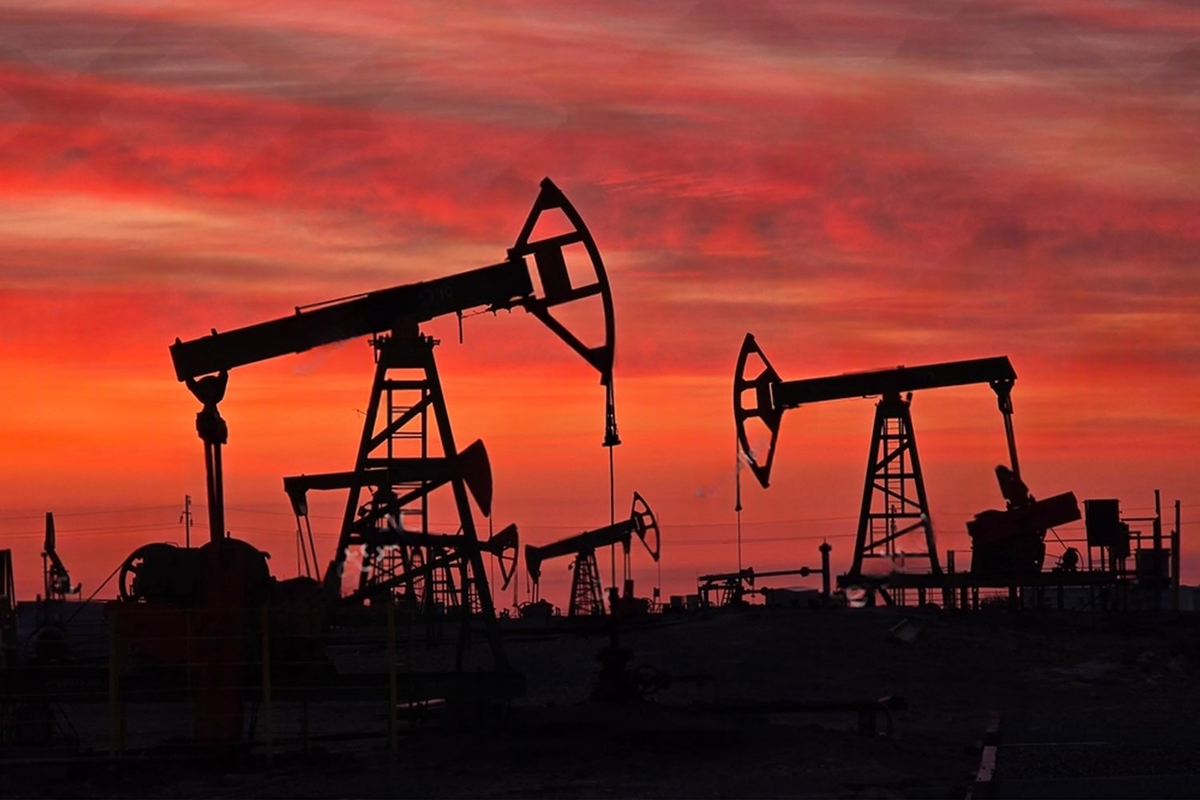
Global oil markets turned sharply higher after the United States launched military strikes against Iran, escalating tensions in the Middle East and renewing fears that the recently negotiated truce may be breaking down. The latest developments have shifted investor attention away from improving supply conditions and back toward geopolitical risk, particularly the security of energy shipments through the Strait of Hormuz, one of the world’s most strategically important oil transit routes.
The renewed conflict represents another reminder that geopolitical developments remain one of the largest sources of volatility for energy markets. For investors globally, including those in Israel, the implications extend well beyond crude oil prices, influencing inflation expectations, equity markets, transportation costs, and central bank policy outlooks.
Geopolitical Risk Returns to the Forefront
Brent crude futures climbed to approximately $75.54 per barrel, while West Texas Intermediate (WTI) advanced to around $71.81 per barrel following confirmation of the U.S. military action. The rally reversed the recent bearish sentiment that had emerged after improving supply conditions and expectations of higher global crude production.
The market reaction reflects concerns that renewed military activity could disrupt shipping through the Strait of Hormuz, a critical passage that handles roughly one-fifth of global oil trade. According to Reuters, tanker traffic remains significantly below pre-conflict levels following attacks on commercial vessels, reinforcing worries that energy exports from the Gulf could once again face meaningful interruptions.
In addition to the military strikes, Washington reinstated restrictions on Iranian oil exports, further tightening supply expectations. Together, the military escalation and renewed sanctions have increased uncertainty regarding global crude availability during the second half of the year.
The rise in crude prices immediately improved sentiment across the energy sector. Integrated oil producers, exploration companies, and oilfield service providers typically benefit from higher commodity prices because stronger crude benchmarks generally support revenue, operating cash flow, and capital expenditure expectations.
Conversely, sectors that depend heavily on fuel consumption—including airlines, logistics companies, shipping operators, and certain industrial manufacturers—could face renewed margin pressure if elevated oil prices persist. Rising energy costs also increase transportation expenses throughout global supply chains, potentially adding inflationary pressure across multiple industries.
Broader equity markets often respond cautiously during periods of heightened geopolitical uncertainty. Investors frequently rotate toward defensive sectors such as energy, utilities, and defense while reducing exposure to more economically sensitive industries. Safe-haven assets, including government bonds and the U.S. dollar, may also attract additional demand if regional tensions continue escalating.
Middle East Developments Carry Global Implications
For Israel, the latest developments underscore the strategic importance of regional energy infrastructure and maritime security. Continued instability surrounding the Strait of Hormuz has renewed discussions regarding alternative export routes capable of reducing dependence on vulnerable shipping lanes. Reuters reported that Israeli officials have highlighted potential pipeline projects linking Gulf producers to Mediterranean export facilities as part of broader regional energy security discussions.
At the macroeconomic level, sustained increases in oil prices could complicate efforts by central banks to reduce inflation. Higher fuel costs often translate into broader increases in transportation, manufacturing, and consumer prices, potentially influencing monetary policy decisions in the United States, Europe, and other major economies.
Commodity traders are also closely monitoring U.S. crude inventories, OPEC+ production policy, and shipping activity in the Gulf, as each factor could either amplify or offset the latest geopolitical premium now embedded in oil markets.
Looking ahead, investors will closely monitor diplomatic developments between the United States and Iran, shipping activity through the Strait of Hormuz, OPEC+ production decisions, and global inventory data to assess whether the latest price rally becomes sustained or proves temporary. Equity markets will also watch whether higher energy prices trigger further sector rotation toward oil producers and away from transportation and consumer-focused industries. For Israeli and international investors, the evolving geopolitical situation will remain a critical variable influencing commodity prices, inflation expectations, corporate earnings, and overall market sentiment during the weeks ahead.
Comparison, examination, and analysis between investment houses
Leave your details, and an expert from our team will get back to you as soon as possible
* This article, in whole or in part, does not contain any promise of investment returns, nor does it constitute professional advice to make investments in any particular field.
To read more about the full disclaimer, click here
- Ronny Mor
- •
- 8 Min Read
- •
- ago 13 hours
SKN | Gold Holds Firm as Investors Await Fed Minutes and Monitor U.S.-Iran Tensions
Gold markets remained resilient as investors balanced renewed geopolitical risks with expectations surrounding future U.S. monetary policy. According to
- ago 13 hours
- •
- 8 Min Read

Gold markets remained resilient as investors balanced renewed geopolitical risks with expectations surrounding future U.S. monetary policy. According to

- sagi habasov
- •
- 8 Min Read
- •
- ago 13 hours
SKN | Chip Stocks Face Renewed Pressure as Middle East Conflict Sends Oil Prices Higher
Global equity markets experienced renewed pressure as escalating Middle East tensions pushed oil prices higher and weighed on investor
- ago 13 hours
- •
- 8 Min Read

Global equity markets experienced renewed pressure as escalating Middle East tensions pushed oil prices higher and weighed on investor

- omer bar
- •
- 6 Min Read
- •
- ago 20 hours
SKN | Did Geopolitical Tensions Trigger a $440 Billion Precious Metals Selloff?
Gold and silver experienced a sudden and aggressive decline during a 30-minute trading window, highlighting how quickly sentiment can shift
- ago 20 hours
- •
- 6 Min Read

Gold and silver experienced a sudden and aggressive decline during a 30-minute trading window, highlighting how quickly sentiment can shift

- Lior mor
- •
- 8 Min Read
- •
- ago 1 day
SKN | Rivian Shares Slide as 75 Million Share Offering Raises Dilution Concerns
Rivian Automotive came under selling pressure after announcing a proposed 75 million share public offering, a move designed to
- ago 1 day
- •
- 8 Min Read

Rivian Automotive came under selling pressure after announcing a proposed 75 million share public offering, a move designed to


