





- Lior mor
- •
- 8 Min Read
- •
- 1 hour ago
Key Points
- Rivian shares declined after the company announced a proposed public offering of 75 million shares, raising concerns about shareholder dilution.
- The capital raise is intended to strengthen Rivian's balance sheet as the EV manufacturer continues investing in production capacity, technology, and future vehicle platforms.
- Investors are balancing the short-term impact of dilution against Rivian's long-term growth strategy in an increasingly competitive electric vehicle market.
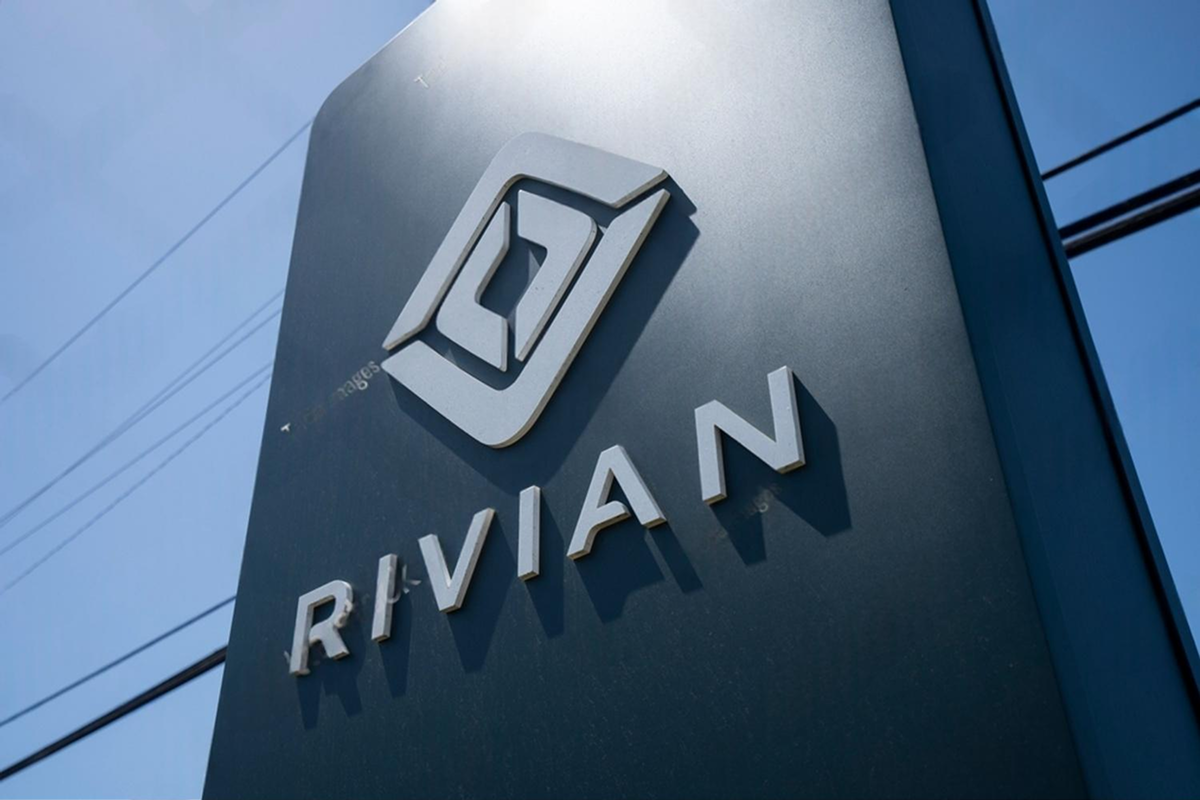
Rivian Automotive came under selling pressure after announcing a proposed 75 million share public offering, a move designed to raise additional capital but one that immediately sparked concerns about shareholder dilution. The announcement arrives as electric vehicle manufacturers continue navigating a capital-intensive environment marked by slowing industry growth, pricing pressure, and significant investment requirements.
The offering underscores a broader reality facing the EV industry. While demand for electric vehicles continues expanding over the long term, manufacturers must secure sufficient funding to scale production, develop next-generation technology, and compete against established automakers and new entrants. For investors, the announcement highlights the delicate balance between preserving liquidity and protecting shareholder value.
Capital Raise Reflects Rivian’s Long-Term Expansion Strategy
According to the company’s announcement, Rivian plans to offer 75 million new shares through a public offering, with underwriters expected to receive an option to purchase additional shares. Although the final pricing will determine the total proceeds, the transaction is expected to generate several billion dollars in fresh capital for the company.
Management indicated that the proceeds will be used for general corporate purposes, including supporting manufacturing expansion, product development, working capital requirements, and other strategic initiatives. Rivian continues investing heavily in production facilities, software development, battery technology, and the rollout of future vehicle platforms, all of which require substantial financial resources.
The fundraising effort reflects a common strategy among high-growth manufacturers that prioritize long-term expansion over near-term profitability. However, issuing additional shares increases the total number of outstanding shares, reducing the ownership percentage of existing shareholders and often creating downward pressure on stock prices immediately following such announcements.
Market Focuses on Dilution Rather Than Liquidity Benefits
Following the announcement, Rivian shares fell as investors reacted to the potential dilution resulting from the new issuance. While raising capital strengthens the company’s financial flexibility, equity offerings are frequently viewed negatively in the short term because they spread future earnings across a larger shareholder base.
The reaction also reflects broader investor sentiment toward the electric vehicle sector. After years of prioritizing revenue growth and production expansion, financial markets have increasingly shifted their attention toward profitability, free cash flow generation, and disciplined capital allocation.
For Rivian, maintaining a strong balance sheet remains particularly important as competition intensifies. The company continues competing with Tesla, traditional global automakers, and emerging EV manufacturers, all while navigating evolving consumer demand, pricing competition, and rising production efficiency expectations.
Execution Remains the Key Long-Term Driver
Despite the immediate market reaction, the additional capital could improve Rivian’s ability to execute its long-term strategy. Investments in manufacturing efficiency, new vehicle launches, battery innovation, and software capabilities are expected to play a critical role in determining the company’s future competitive position.
Investors will also closely monitor Rivian’s production targets, delivery growth, gross margins, and operating expenses over the coming quarters. Demonstrating continued progress toward sustainable profitability may ultimately offset concerns surrounding short-term dilution if management successfully deploys the newly raised capital.
The broader electric vehicle industry remains in a transition period as companies move from rapid expansion toward operational efficiency. Manufacturers capable of strengthening their balance sheets while improving production economics are likely to be better positioned as financing conditions remain relatively restrictive.
Looking ahead, market participants will focus on the final pricing of Rivian’s share offering, management’s capital allocation strategy, quarterly production updates, and progress toward positive cash flow. Investors will also monitor competitive developments across the global EV market, including pricing strategies, battery technology advancements, and consumer demand trends. For international investors, including those in Israel, Rivian’s latest capital raise serves as a reminder that access to funding remains a critical competitive advantage in the rapidly evolving electric vehicle industry, where financial discipline is becoming just as important as technological innovation.
Comparison, examination, and analysis between investment houses
Leave your details, and an expert from our team will get back to you as soon as possible
* This article, in whole or in part, does not contain any promise of investment returns, nor does it constitute professional advice to make investments in any particular field.
To read more about the full disclaimer, click here
- Lior mor
- •
- 6 Min Read
- •
- ago 1 hour
SKN | Dow Turns Lower as Chip Stocks Slide and Oil Prices Rise, Testing Market Resilience
The U.S. equity market experienced renewed volatility this week as the Dow Jones Industrial Average turned lower amid a
- ago 1 hour
- •
- 6 Min Read

The U.S. equity market experienced renewed volatility this week as the Dow Jones Industrial Average turned lower amid a

- sagi habasov
- •
- 7 Min Read
- •
- ago 3 hours
SKN | Defense Stocks Rally as Governments Accelerate Military Spending and AI Warfare Investment
Global defense stocks extended their gains this week as investors responded to another wave of announcements supporting increased military
- ago 3 hours
- •
- 7 Min Read

Global defense stocks extended their gains this week as investors responded to another wave of announcements supporting increased military

- Ronny Mor
- •
- 7 Min Read
- •
- ago 4 hours
SKN | Intel and Microsoft Backed: AI Chip Company Syntiant Files for NASDAQ IPO
Syntiant Joins the AI IPO Wave Syntiant, a developer of artificial intelligence chips and software, has filed a prospectus with
- ago 4 hours
- •
- 7 Min Read
Syntiant Joins the AI IPO Wave Syntiant, a developer of artificial intelligence chips and software, has filed a prospectus with
- Ronny Mor
- •
- 5 Min Read
- •
- ago 4 hours
SKN | AI Chip Concerns Weigh on Wall Street as S&P 500 and Nasdaq Retreat
U.S. equities traded lower as renewed weakness across the semiconductor sector weighed on broader market sentiment. The S&P 500
- ago 4 hours
- •
- 5 Min Read

U.S. equities traded lower as renewed weakness across the semiconductor sector weighed on broader market sentiment. The S&P 500


